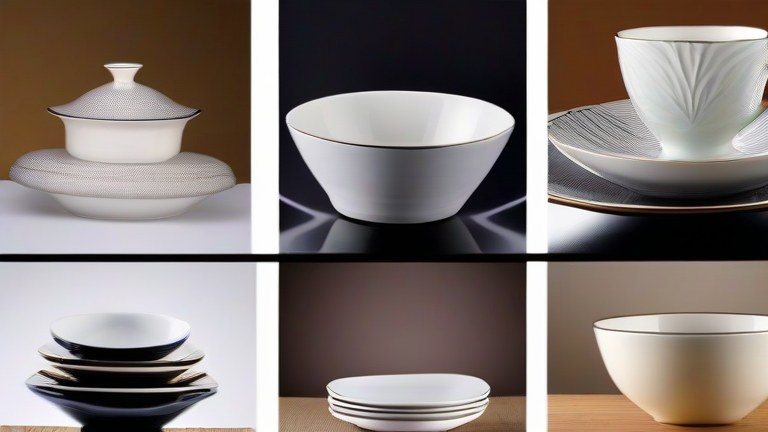
TL;DR: Porcelain dinnerware is generally safe for daily use because it is fired at high temperatures, which creates a dense, non-porous surface that resists chemical leaching. However, consumers should avoid chipped or cracked pieces and ensure they purchase lead-free options to minimize any potential exposure to heavy metals.
The Science of Safety
Porcelain is a type of ceramic material that distinguishes itself from stoneware or earthenware through its manufacturing process. It is composed of kaolin clay, feldspar, and silica, which are subjected to extremely high firing temperatures, often exceeding 1,200 degrees Celsius. This intense heat vitrifies the material, meaning the clay particles melt and fuse together to form a glass-like structure. This vitrification process is critical for health and wellness because it eliminates the porous nature found in lower-grade ceramics. As a result, porcelain does not absorb liquids, odors, or food particles, which significantly reduces the risk of bacterial growth and contamination. From a chemical standpoint, reputable porcelain manufacturers adhere to strict safety standards set by agencies like the FDA and the California Proposition 65. These standards regulate the amount of lead and cadmium that can leach from the surface into food. When you select high-quality, commercial-grade porcelain, the glaze acts as a barrier that keeps any trace elements securely locked within the structure, ensuring that your meals remain uncontaminated.
If you want to dig deeper, check out our guide on Porcelain Dinnerware Care: The Ultimate Cleaning & Storing G.
Identifying Potential Risks
Despite its reputation for safety, certain conditions can compromise the integrity of porcelain dinnerware. The primary risk factor is physical damage. If a plate, bowl, or mug is chipped, cracked, or has a worn glaze, the underlying clay may be exposed. In some older or artisanal pieces, this exposed surface might contain trace amounts of lead or other heavy metals used in traditional glazes. While modern industrial porcelain is largely free of these additives, vintage items or those imported from regions with lax manufacturing standards may pose a greater risk. Additionally, acidic foods like tomato sauce, citrus juices, or vinegar-based dressings can potentially accelerate leaching if the glaze is compromised. Therefore, it is crucial to inspect your dinnerware regularly. Discard any items that show signs of structural failure. Furthermore, avoid using abrasive cleaners or steel wool, as these can scratch the glaze over time, creating microscopic pathways for potential contaminants. Always ensure that your porcelain is labeled as “lead-free” or “food-safe,” especially if you are purchasing decorative or handcrafted items.
Lifestyle Tips for Wellness
To maximize the safety and longevity of your porcelain collection, adopt a few simple maintenance habits. First, while many porcelain pieces are dishwasher-safe, hand washing is often recommended for fine china to preserve the glaze and prevent thermal shock from high-heat drying cycles. Use mild, pH-neutral detergents and soft sponges to clean your dishes, avoiding harsh chemicals that could degrade the surface. Second, store your porcelain in a way that prevents contact with other hard objects. Use felt or cloth dividers in your cabinet to cushion the plates and mugs, reducing the likelihood of chipping. Third, be mindful of thermal shock. Sudden temperature changes, such as placing a hot dish in cold water, can cause cracking. Allow hot items to cool gradually before washing. By following these practices, you ensure that your porcelain remains a safe, durable, and aesthetically pleasing part of your dining experience. Choosing safe dinnerware is a small but significant step toward reducing unnecessary toxin exposure in your daily life, contributing to overall health and peace of mind.
FAQ
Q: Is porcelain dishwasher safe?
A: Most modern porcelain is dishwasher safe, but hand washing is recommended for fine china to preserve the glaze and prevent potential thermal shock from high-heat drying cycles.
Q: How do I know if my porcelain contains lead?
A: Look for labels stating “lead-free” or “food-safe.” If you own vintage or handmade items, consider using a home lead test kit or avoiding their use for food and beverages entirely.
Q: Can I use porcelain for
Leave a Reply