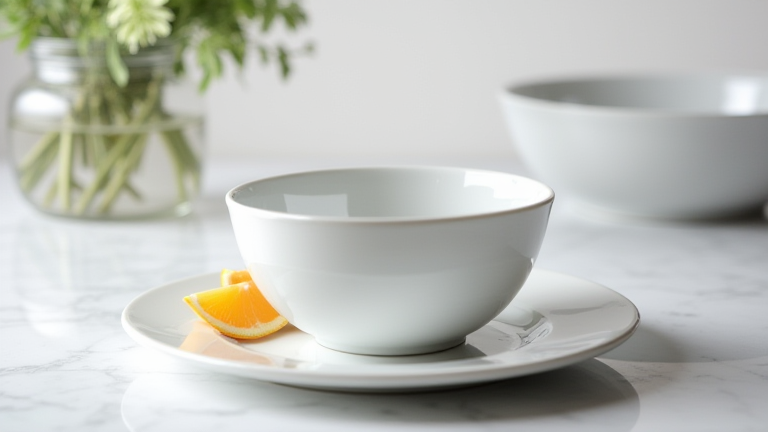
TL;DR: To maintain the pristine finish of your porcelain dinnerware, wash items in warm soapy water by hand or use the gentle cycle of a dishwasher, ensuring you avoid abrasive scrubbers and extreme temperature shocks. Regularly inspect for chips and store pieces carefully to prevent chipping, extending the lifespan and beauty of your collection.
Understanding Porcelain Durability
Porcelain is a type of ceramic made from kaolin clay, fired at extremely high temperatures. This process makes it denser and less porous than other ceramics like stoneware or earthenware. Consequently, porcelain is highly durable, resistant to staining, and generally safe for daily use. However, despite its strength, it is still susceptible to chipping if dropped or subjected to thermal shock. Understanding these material properties is the first step in proper care. Always check the manufacturer’s guidelines, as some decorative pieces with metallic accents like gold or silver may require specific handling to prevent tarnishing or flaking.
If you want to dig deeper, check out our guide on Is Porcelain Dinnerware Safe? Health Benefits & Safety Tips.
Step-by-Step Cleaning Instructions
Step 1: Pre-Rinse and Soak
Begin by rinsing your plates under lukewarm water to remove loose food particles. If food is stuck, soak the item in a basin of warm, soapy water for fifteen to thirty minutes. This softens debris and makes scrubbing easier without applying excessive pressure that could scratch the glaze.
Step 2: Hand Washing vs. Dishwashing
For most everyday porcelain, a dishwasher is safe and convenient. Place items securely in the rack to prevent them from sliding into each other. Use a mild, non-bleaching detergent. If you prefer hand washing, use a soft sponge or cloth. Avoid steel wool or abrasive pads, which can scratch the glaze and dull the shine. For intricate pieces or those with hand-painted designs, hand washing is the only recommended method.
Step 3: Rinsing and Drying
Rinse thoroughly to ensure all soap residue is removed, as leftover detergent can leave a film that attracts dirt. Dry immediately with a clean, soft towel to prevent water spots. Air drying is also acceptable but takes longer and may lead to spotting on unglazed rims.
Essential Maintenance Tips
Avoid thermal shock by never placing hot porcelain directly into cold water or moving it from a hot oven to a cold surface. Allow items to cool naturally. This prevents cracking. When stacking plates for storage, consider using soft liners or paper towels between them to minimize friction. If you notice a small chip, address it immediately. A small chip can grow larger over time and may harbor bacteria if it creates a rough surface. For stubborn stains, a paste of baking soda and water can be gently rubbed onto the surface, followed by a thorough rinse.
FAQ
Q: Can I put porcelain in the microwave?
A: Yes, most plain porcelain dinnerware is microwave-safe, but avoid pieces with metallic accents like gold or silver rims, as these can spark and damage both the item and the appliance.
Q: How do I remove coffee or tea stains from porcelain?
A: Soak the item in a mixture of warm water and a small amount of dish soap for several hours. For persistent stains, apply a paste of baking soda and water, let it sit for ten minutes, and gently scrub with a soft cloth before rinsing.
Q: Is it safe to use bleach on porcelain?
A: No, avoid using bleach or harsh chemical cleaners. These substances can degrade the glaze over time, causing it to become dull or porous, which makes the porcelain more susceptible to staining and damage.
Leave a Reply