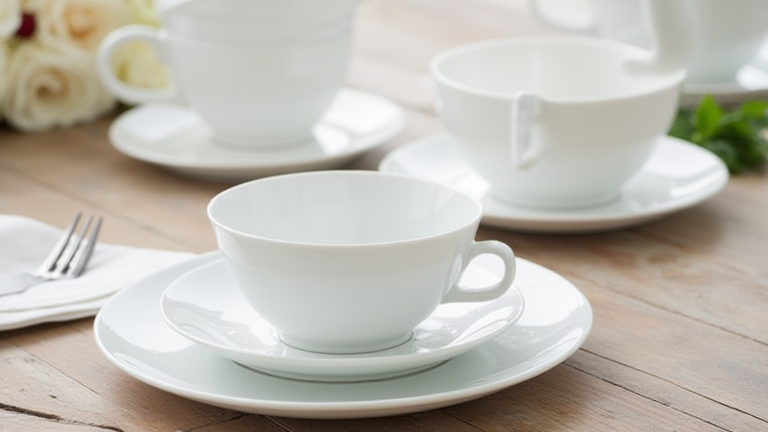
TL;DR: The current porcelain dinnerware trends prioritize minimalist aesthetics, sustainable sourcing, and versatile designs that bridge the gap between everyday use and formal dining. By selecting high-quality, timeless pieces, you create a dining experience that reflects personal style and cultural appreciation.
The Art of the Everyday
In the realm of lifestyle and personal growth, the objects we use daily serve as powerful anchors for mindfulness and self-expression. Porcelain dinnerware is no exception. It is not merely a functional item but a canvas for cultural storytelling and aesthetic refinement. As we navigate through global travel experiences and diverse culinary traditions, our table settings often evolve to reflect these rich influences. Today, five distinct trends are reshaping how we view and select our porcelain collections, moving away from mass-produced uniformity toward curated, meaningful pieces that enhance the ritual of eating.
If you want to dig deeper, check out our guide on Porcelain Dinnerware Tutorial: Care, Cleaning & Styling Tips.
1. The Return of Handcrafted Imperfections
In an era dominated by digital perfection, there is a growing cultural longing for the authentic. This trend celebrates porcelain with subtle variations in glaze, texture, or shape, often resulting from traditional hand-throwing techniques. These pieces carry the story of the artisan, connecting the diner to the broader global craft community. Embracing this style encourages a slower, more appreciative approach to dining, where the beauty of the vessel is as important as the food it holds.
2. Sustainable and Local Sourcing
Modern travelers and food enthusiasts are increasingly aware of the environmental footprint of their consumer choices. A significant trend is the shift toward porcelain produced with sustainable materials and ethical labor practices. Many brands now highlight their local kilns or recycled content, appealing to those who value personal growth through responsible living. Choosing local or ethically produced porcelain supports regional economies and reduces the carbon cost associated with long-distance shipping, aligning your home aesthetic with your environmental values.
3. Monochromatic Minimalism
Influenced by contemporary design and minimalist travel aesthetics, monochromatic porcelain sets are gaining popularity. These sets, often in shades of off-white, matte black, or soft pastels, provide a neutral backdrop that allows the colors and textures of the food to shine. This trend is particularly popular among those who enjoy experimenting with plating and food presentation. It simplifies the visual noise at the table, fostering a sense of calm and focus during meals, which is essential for mindful eating practices.
4. Fusion Patterns and Cultural Motifs
For the frequent traveler, the home table becomes a museum of experiences. Porcelain dinnerware featuring intricate, hand-painted patterns inspired by global cultures—such as Japanese kintsugi, Moroccan geometric shapes, or Scandinavian folk art—is trending. These pieces serve as conversation starters and personal mementos of specific journeys. Integrating such cultural motifs into your daily life fosters a deeper connection to the world and keeps the spirit of adventure alive in your domestic space.
5. Versatile Mix-and-Match Collections
Finally, the rigid rule of matching sets is being replaced by flexible, mix-and-match collections. This trend allows for personalization and adaptability, catering to the diverse needs of modern households. You can combine different patterns, sizes, and textures to create a unique look for every occasion. This flexibility supports personal growth by encouraging creativity and experimentation in how you present food, making every meal a unique artistic expression rather than a repetitive routine.
FAQ
Q: Is porcelain dinnerware durable enough for daily use?
A: Yes, high-quality porcelain is extremely durable, heat resistant, and chip resistant, making it ideal for everyday dining when handled with basic care.
Q: How can I care for hand-painted or artisanal porcelain?
A: It is best to hand wash these pieces with a soft sponge and mild detergent to preserve the glaze and intricate details, avoiding abrasive cleaners or dishwasher detergents.
Q: Where can I find sustainable porcelain options?
A: Look for brands that transparently share their sourcing methods, prioritize local
Leave a Reply