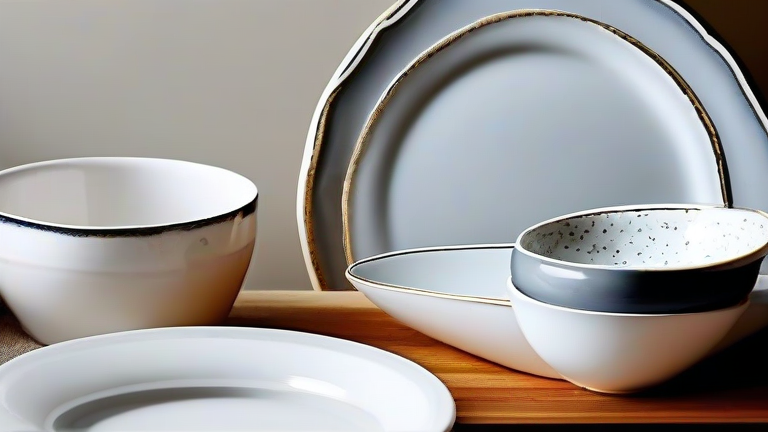
TL;DR: Porcelain dinnerware is a durable, elegant, and heat-resistant option that elevates any dining experience while maintaining a classic aesthetic. By understanding how to select, care for, and style your pieces, you can invest in tableware that lasts for generations.
Understanding Porcelain Quality
Before purchasing, it is crucial to distinguish between true porcelain and cheaper alternatives like stoneware or ceramic. True porcelain is made from kaolin clay and fired at extremely high temperatures, resulting in a material that is denser, whiter, and more translucent than standard ceramics. When holding a piece up to a light source, high-quality porcelain should appear slightly translucent. This density makes it more resistant to chipping and cracking compared to earthenware. Look for brands that specify “fine porcelain” or “bone china” in their descriptions, as these terms indicate superior manufacturing standards. Avoid items that feel porous or have a dull finish, as these are often lower-grade materials that may absorb odors or stain over time. Understanding these material differences ensures you are investing in a product that will retain its beauty and functionality for years.
If you want to dig deeper, check out our guide on Is Porcelain Dinnerware Safe? Health Benefits & Risks.
Choosing the Right Set
Selecting the appropriate set size and style depends on your household dynamics and entertainment habits. For a family of four, a standard 16-piece set usually includes two dinner plates, two salad plates, two soup/cereal bowls, and two bread and butter plates. If you frequently host guests, consider a 24 or 36-piece set to accommodate additional diners. When choosing a style, consider how the dinnerware will complement your existing home decor. Classic white porcelain is versatile and timeless, pairing well with colorful tablecloths and modern cutlery. For a more contemporary look, opt for patterns with geometric shapes or bold colors. Ensure the shapes of the plates and bowls stack neatly to save cabinet space. Consider the weight of the pieces as well; while heavy porcelain feels substantial, lighter pieces are easier to carry from the kitchen to the dining table and back.
Care and Maintenance Tips
Proper care is essential to maintain the pristine appearance of your porcelain. Most modern porcelain is dishwasher safe, but hand washing is recommended for antique pieces or those with gold or silver rims. If you choose to use a dishwasher, place the items on the top rack to prevent them from being knocked against the metal elements or other heavy pots. Avoid using abrasive scrubbers, as they can scratch the glaze. Instead, use a soft sponge and mild detergent. For stubborn stains, soak the items in warm, soapy water for ten minutes before gently scrubbing. Store your dinnerware in a dedicated cabinet section, ideally with soft dividers to prevent pieces from touching and chipping. If a small chip occurs, apply a thin layer of super glue to seal it, though this is a temporary fix and not recommended for food-contact surfaces.
Styling and Presentation
Styling your table with porcelain can transform a simple meal into a memorable event. Layering is key to a sophisticated look; start with a charger plate to add depth, then place your dinner plate on top. Use smaller plates for appetizers and bowls for soups or pasta. Coordinate your table linens with the color scheme of your porcelain. For a formal dinner, match the napkins and placemats to the accents in your tableware. Consider using different shapes and sizes of porcelain pieces to add visual interest. For example, pair round dinner plates with square salad plates for a modern contrast. Lighting also plays a crucial role; natural light or warm artificial lighting enhances the translucency and color of fine porcelain. Experiment with different arrangements to find a style that reflects your personal taste and makes guests feel special.
FAQ
Q: Is porcelain breakable?
A: Yes, porcelain is breakable if dropped on hard surfaces, but it is significantly more durable than ceramic or glass due to its dense structure and high firing temperature.
Q: Can I use porcelain in the microwave?
A: Most porcelain dinnerware is microwave safe, but you should avoid using pieces with metallic accents like gold
Leave a Reply