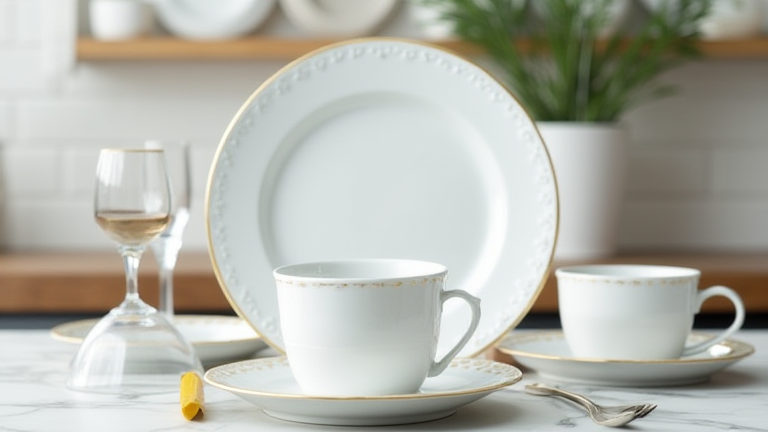
TL;DR: Yes, porcelain dinnerware is generally safe for everyday use, provided it is high-quality, lead-free, and not chipped or crazed. The primary risks come from low-cost, improperly glazed, or damaged pieces that can leach heavy metals into food.
What Makes Porcelain Different?
Porcelain is a type of ceramic fired at extremely high temperatures (1,200–1,400°C), which makes it denser, less porous, and more vitrified than earthenware or stoneware. This vitrification means that, when intact, porcelain does not absorb moisture or harbor bacteria, making it hygienic for serving and storing food. Its smooth, glass-like glaze acts as a barrier between your meal and the clay body beneath. Unlike plastic or non-stick coatings, porcelain contains no volatile organic compounds (VOCs) or BPA, and it does not degrade or leach microplastics when exposed to hot, acidic, or oily foods.
If you want to dig deeper, check out our guide on 15 Shopify Store Hacks to Boost Your Conversion Rate.
Health Benefits of Using Porcelain
From a wellness perspective, porcelain offers several distinct advantages. First, it is chemically inert — it won’t react with lemon juice, tomato sauce, or vinegar, preserving both flavor and nutritional integrity. Second, because porcelain is fired at such high temperatures, most heavy metals naturally present in raw clay are burned off or sealed within the vitrified matrix. Third, porcelain retains heat well, keeping food warm longer, which can slow bacterial growth during a meal. Finally, unlike some metal or plastic dinnerware, porcelain is microwave, oven, and dishwasher safe (if labeled as such), allowing for convenient reheating without chemical transfer.
The Real Risks: Lead, Cadmium, and Crazing
The main health concern with porcelain is not the material itself but the decoration. Brightly colored glazes, metallic rims, or hand-painted patterns — especially those using red, orange, or yellow pigments — may contain lead or cadmium to achieve vivid hues. In the United States, the FDA regulates lead limits in ceramics (0.5 mcg/mL for flatware, 0.1 ppm for cups), but imported or artisan pieces may not meet these standards. The bigger risk is crazing: tiny hairline cracks in the glaze that occur from thermal shock or age. Once crazed, the protective barrier is broken, and moisture can seep into the porous body, promoting bacterial growth and allowing trace metals to migrate into food, especially acidic dishes.
Lifestyle Tips for Safe Use
To maximize safety, buy from reputable brands that certify their porcelain as lead-free and cadmium-free. Avoid using antique or flea-market porcelain for daily meals — those are better as display pieces. Test unknown items with a home lead swab kit (available online). Never microwave a plate with metallic trim, as it can spark and cause glaze damage. Hand-wash porcelain with mild soap to preserve the glaze, and inspect regularly for cracks, chips, or crazing. If you see any, retire the piece immediately — even a small chip can expose the clay body. Also, avoid storing acidic leftovers (like pasta sauce) on decorated porcelain for extended periods; transfer to glass if you plan to refrigerate for more than a day.
Bottom Line
High-quality, intact porcelain from a trusted manufacturer is one of the safest dinnerware choices available. It combines durability, non-reactivity, and easy cleaning. The key is to purchase wisely, maintain the glaze, and discard damaged pieces. When in doubt, opt for plain white porcelain without decorative pigments — this offers the lowest risk and timeless elegance.
FAQ
Q: Can porcelain leach lead into hot coffee or acidic foods?
A: Only if the glaze is damaged, crazed, or made with non-food-safe pigments. Intact, high-quality porcelain from reputable brands does not leach detectable lead under normal use. Avoid heating acidic liquids in decorated or antique pieces.
Q: Is porcelain safer than plastic or melamine for kids?
A: Yes. Porcelain contains no BPA, phthalates, or microplastics
Leave a Reply