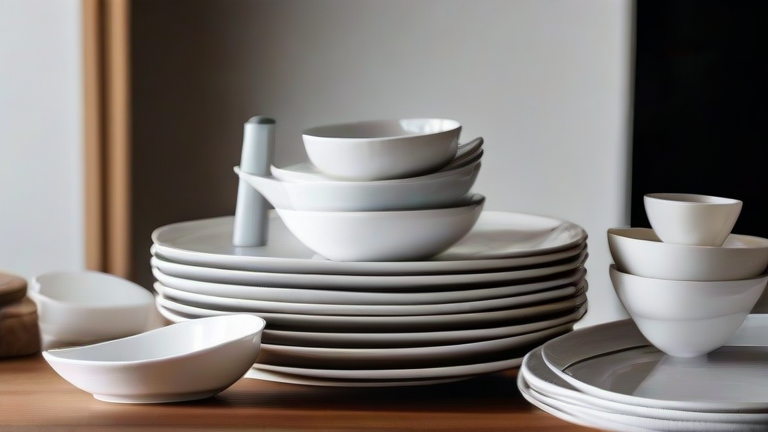
TL;DR: Clean porcelain dinnerware promptly with warm water, mild dish soap, and a soft sponge, avoiding abrasive scrubbers and thermal shock. For long-term maintenance, hand-wash delicate pieces, use a plastic or wooden utensil, and store with felt separators to prevent chipping.
Step 1: Rinse Immediately After Use
Do not let food dry or harden on porcelain. As soon as the meal ends, rinse each piece under warm (not hot) running water to remove loose debris. This prevents staining from acidic foods like tomato sauce or coffee. For stuck-on residue, soak the item in warm water with a drop of gentle dish soap for 10–15 minutes—never use cold water on a hot plate, as sudden temperature changes can cause crazing (fine cracks in the glaze).
If you want to dig deeper, check out our guide on How to Clean Porcelain Dinnerware: Step-by-Step Tutorial.
Step 2: Hand-Wash with the Right Tools
Fill a sink or basin with warm water and add a mild, non-abrasive liquid dish soap (avoid citrus-based or bleach-heavy formulas). Use a soft cellulose sponge or a microfiber cloth. Gently wipe in circular motions, paying extra attention to rims and foot rings where food and minerals accumulate. Do not use steel wool, scouring pads, or abrasive powders—these will scratch the glaze and dull the finish. For stubborn tea or coffee stains, make a paste of baking soda and water, apply with your fingers, and rinse thoroughly.
Step 3: Rinse and Dry Carefully
Rinse each piece under warm running water to remove all soap residue. Then, dry immediately with a lint-free cotton towel. Air-drying can leave water spots, especially in hard-water areas. Hold the plate by its body, not just the rim, to avoid stress fractures. Never stack wet porcelain—always dry completely before putting dishes away.
Step 4: Handle Thermal Shock Precautions
Porcelain is durable but vulnerable to sudden temperature shifts. Do not place a cold plate directly into a preheated oven, and never pour boiling water into a cold porcelain bowl. If warming food, use an oven set below 350°F (175°C) and place the dish in a cold oven, then heat gradually. Similarly, avoid transferring a hot dish to a cold countertop—use a wooden trivet or a folded towel.
Step 5: Store with Protective Barriers
Stack plates with a felt pad, paper towel, or a thin linen cloth between each piece. This prevents scratching from the unglazed foot ring of the plate above. For bowls and cups, store them upright, not nested, unless you place a soft cloth in between. Keep heavy serving platters at the bottom of the stack. Use a dedicated cabinet with adjustable shelves to avoid edge-on-edge contact.
Step 6: Remove Stains and Minor Scuffs
For metallic marks from cutlery, rub gently with a damp cloth and a little white toothpaste (non-gel). Rinse immediately. For yellowing or hard water deposits, soak in a solution of 1 part white vinegar to 3 parts warm water for 5 minutes, then wash normally. Never use chlorine bleach—it can weaken the glaze and cause pitting.
Step 7: Avoid the Dishwasher (When Possible)
While some porcelain is labeled “dishwasher-safe,” hand-washing is always safer. Dishwasher detergents are often too alkaline and can etch the glaze over time. If you must use a dishwasher, select a gentle cycle, use a rinse aid, and place items so they do not touch each other. Remove them as soon as the cycle ends and dry by hand.
FAQ
Q: Can I use porcelain dinnerware in the microwave?
A: Yes, most porcelain is microwave-safe, but avoid pieces with metallic gold or platinum trim, as they can spark and damage the microwave. Always check for a “microwave-safe” stamp on the base.
Q: How do I fix a small chip
Leave a Reply