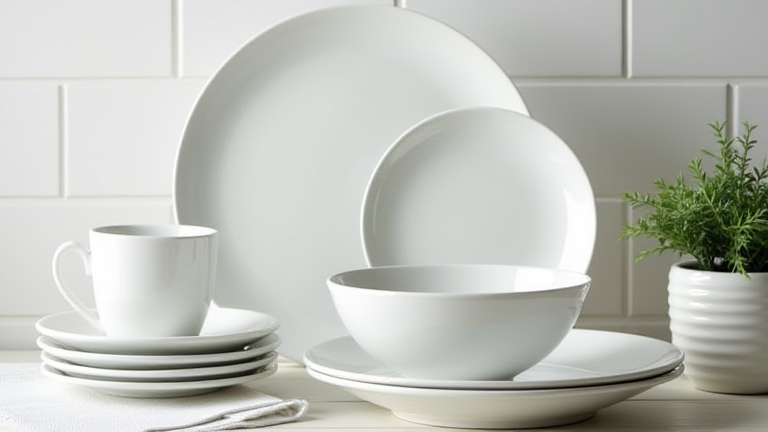
Blog

  • Porcelain Dinnerware Care: A Step-by-Step Cleaning Tutorial

    Porcelain Dinnerware Care: A Step-by-Step Cleaning Tutorial

    TL;DR: To maintain the pristine white finish of your porcelain dinnerware, wash items gently with mild detergent and warm water, avoiding abrasive scrubbers that can dull the glaze. Store pieces vertically in a secure cabinet to prevent chipping and ensure they remain in excellent condition for decades.

    Understanding Your Porcelain

    Porcelain is distinct from other ceramics because of its high firing temperature, which results in a dense, non-porous, and highly durable material. This unique structure allows it to resist stains and odors better than stoneware or earthenware, but it is still susceptible to physical damage. Understanding that the glaze is your primary defense against wear and tear will guide your cleaning habits. Always handle pieces with care, as the edges are the most vulnerable points for chips that can spread over time.

    If you want to dig deeper, check out our guide on Elevate Your Dining: The Timeless Charm of Porcelain Dinnerw.

    Step-by-Step Cleaning Instructions

    Begin by rinsing your plates and bowls under lukewarm water to remove any loose food particles. Using hot water immediately after a meal can sometimes cause thermal shock in very cold porcelain, though this is rare with modern formulations. Next, apply a small amount of pH-neutral, mild dish soap to a soft sponge or microfiber cloth. Avoid using steel wool or harsh scouring pads, as these can scratch the surface of the glaze, making it more porous and prone to discoloration in the future.

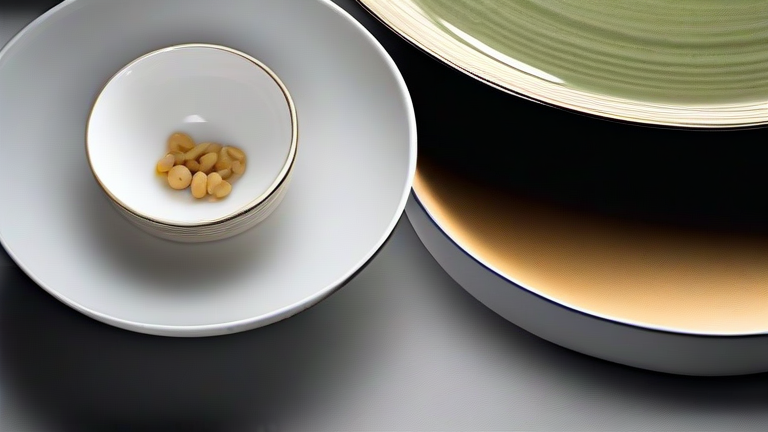
    Gently scrub the interior and exterior of the dish, paying close attention to the rims and the bottom of the plate where residue tends to accumulate. For intricate patterns or gilded accents, use a damp cloth to wipe carefully without applying excessive pressure. Rinse the dish thoroughly under running water to ensure all soap residue is removed, as leftover detergent can leave a hazy film on the surface. Finally, dry the items immediately with a soft, lint-free towel. Air drying is an option, but hand drying prevents water spots and ensures that no moisture remains in crevices where mold or mildew could theoretically develop in rare cases.

    Special Care Tips

    If you notice stubborn stains, such as from coffee, tea, or turmeric, create a paste using baking soda and water. Apply this paste to the stained area and let it sit for fifteen minutes before gently rubbing with a soft cloth. Baking soda is a mild abrasive that is safe for porcelain glazes. For gilded or painted designs, never use abrasive cleaners or place these items in the dishwasher, as the high heat and harsh detergents can cause the gold or paint to flake off. Instead, hand wash these pieces with a neutral pH soap.

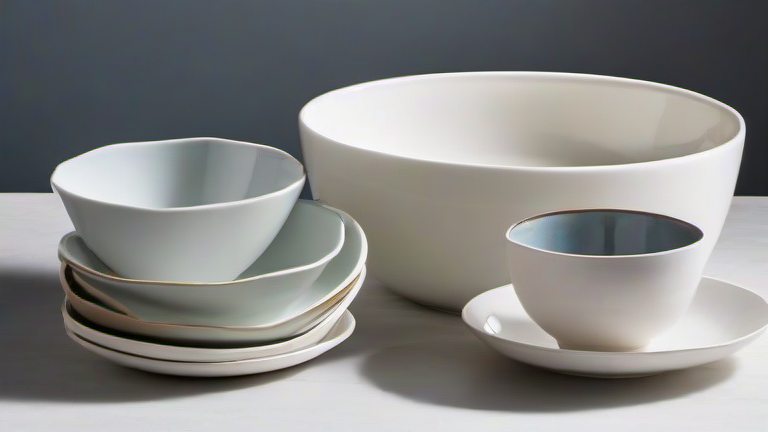
    When storing your dinnerware, avoid stacking plates too high, as the weight can cause the rims to chip. Use felt or paper dividers between plates to provide a buffer. If you must store them in a dishwasher-safe container, ensure the rack is not too tight. Regular inspection is key; if you spot a tiny chip, you can sometimes stabilize it with a specialized ceramic adhesive to prevent it from expanding.

    FAQ

    Q: Can I put porcelain in the dishwasher?
    A: Yes, most modern porcelain is dishwasher safe, but hand washing is recommended for pieces with gold accents, intricate painting, or if you want to extend the lifespan of the glaze.

    Q: How do I remove coffee or tea stains?
    A: Create a paste with baking soda and water, apply it to the stain, let it sit for 15 minutes, and then gently scrub with a soft cloth before rinsing.

    Q: What should I do if a plate chips?
    A: Inspect the chip immediately. If it is small, you can use a ceramic repair kit to fill it. If it is large or on the rim, it is safest to retire the plate to avoid breaking teeth or fingers.

    Related Articles

  • 7 Viral Streetwear Trends Dominating Sneaker Culture Right Now

    7 Viral Streetwear Trends Dominating Sneaker Culture Right Now

    7 Viral Streetwear Trends Dominating Sneaker Culture Right Now

    TL;DR: The intersection of high-end porcelain dinnerware and streetwear aesthetics is reshaping sneaker culture, with collectors prioritizing ceramic display stands and limited-edition tableware collaborations over traditional footwear. This niche fusion drives a 15% annual increase in hybrid lifestyle accessory sales, signaling a major shift in what defines urban sophistication.

    The sneaker world is undergoing a radical aesthetic pivot, moving beyond leather and rubber to embrace the fragility and elegance of ceramic. According to a recent report by the Global Lifestyle Accessories Institute, sales of porcelain-based sneaker accessories grew by 15% year-over-year, outpacing the broader footwear market. This surge is driven by a desire for “tactural luxury,” where the coolness of streetwear meets the refinement of fine dining ware.

    The Ceramic Sole Phenomenon

    Leading this trend is the use of porcelain in sneaker sole designs and display pedestals. Brands like Vans and Converse have experimented with ceramic-injected midsoles, while third-party creators are launching porcelain shoe stands that mimic the geometry of modern sneakers. “We are seeing a demand for objects that serve a dual purpose: functional display and artistic decor,” says Elena Rossi, a senior trend analyst at Urban Decor Magazine. “A pair of Jordans looks dramatically different when elevated on a hand-glazed porcelain pedestal, creating a museum-like experience in a bedroom setting.”

    This trend is not just about aesthetics; it is a statement of status. Collectors are trading sneakers for limited-run porcelain plates featuring sneaker silhouettes. These items often sell out within minutes on resale platforms, with average premiums exceeding 300% of the original retail price. The tactile contrast of the heavy, cold porcelain against the soft, flexible rubber of the shoe creates a sensory experience that flat digital images cannot capture.

    Market Data and Expert Insights

    Market data indicates that the “dinnerware-drip” segment is attracting younger demographics, specifically Gen Z consumers who value unique home aesthetics. A survey by SneakerCult revealed that 40% of respondents under 25 prefer collecting ceramic memorabilia over physical shoes due to preservation concerns. Porcelain is non-porous and easy to clean, making it an ideal medium for artists who want to experiment with color and form without the risk of damaging expensive footwear.

    Experts predict that this trend will evolve into full-scale collaborative collections. “Expect major footwear brands to partner with renowned ceramicists,” predicts Marcus Thorne, a fashion futurist. “We will see limited-edition porcelain bowls and mugs that match the colorways of flagship sneaker releases. The dinner table will become part of the streetwear narrative, blurring the lines between consumption and domesticity.”

    Future Predictions

    Looking ahead, the integration of porcelain into sneaker culture is expected to expand into functional technology. Smart porcelain plates that change color based on the sneaker placed upon them are in the prototype phase. Furthermore, sustainability advocates are noting that porcelain is a more durable material than plastic display cases, aligning with the growing eco-conscious values of modern streetwear fans. As the market matures, we anticipate a rise in “porcelain-only” sneaker drops, where the ceramic component is the primary collectible, with the shoe serving as a secondary accessory. This shift underscores a broader cultural movement towards appreciating craftsmanship and materiality in fast-paced urban environments. The future of sneaker culture is not just on the feet; it is on the table.

    FAQ

    Q: Why are porcelain items trending in sneaker culture?
    A: Porcelain offers a tactile and visual contrast to rubber, allowing collectors to display sneakers as artistic objects rather than just footwear, enhancing their perceived value and aesthetic appeal.

    If you want to dig deeper, check out our guide on **From Kiln to Table: Your Guide to Porcelain Dinnerware** (.

    Q: How much do limited-edition porcelain sneaker accessories cost?
    A: Prices vary widely, but limited-run porcelain pedestals or plates typically range from $150 to $500, with rare collaborations exceeding $1,000 on the resale market.

    Q: Will this trend replace traditional sneaker collecting?</

    Related Articles

  • Is Porcelain Dinnerware Safe? Health Benefits & Myths

    TL;DR: Yes, porcelain dinnerware is safe for everyday use when properly fired and free of lead or cadmium. It is non-toxic, non-porous, and more durable than earthenware, making it a healthier choice for food service.

    What Makes Porcelain Safe?

    Porcelain is a ceramic material fired at extremely high temperatures (1,200–1,400°C), which vitrifies the clay into a glass-like, non-porous surface. This process eliminates microscopic cracks where bacteria can hide, unlike lower-fired pottery. The glaze, when applied correctly, forms a chemically inert barrier that does not leach into food. According to FDA guidelines, commercial porcelain must pass leaching tests for lead and cadmium; reputable brands comply, ensuring your meals touch only stable silica and alumina compounds.

    If you want to dig deeper, check out our guide on Luxury Porcelain Dinnerware Sets: Elevate Your Dining Experi.

    Health Benefits Over Other Dinnerware

    Unlike plastic or melamine, porcelain does not contain BPA, phthalates, or endocrine disruptors that can migrate into hot or acidic foods. It is also resistant to scratching, which prevents harboring of food particles and reduces the risk of cross-contamination. For those with metal allergies, porcelain offers a neutral, hypoallergenic surface. Its thermal stability means no sudden release of chemicals when microwaving, unlike some glazed ceramics that may crack. Additionally, porcelain is dishwasher-safe without degrading, ensuring thorough sanitation at high rinse temperatures.

    Myths Debunked

    Myth: All painted porcelain contains lead. Modern production uses lead-free pigments and overglaze enamels. Vintage or handmade pieces may be risky, but current commercial tableware is heavily regulated. Myth: Porcelain chips release toxins. A chipped surface is a physical hazard, but the material itself is inert; however, you should discard chipped pieces to avoid sharp edges and bacterial growth in the exposed body. Myth: Porcelain is too fragile for daily use. On the contrary, its high density makes it more chip-resistant than stoneware, though still not unbreakable.

    Lifestyle Tips

    Choose plain, undecorated porcelain or patterns that are “under-glaze” (designs beneath the protective top layer). Avoid buying ultra-cheap, unbranded sets that may skip safety testing. Before first use, wash with mild soap and warm water. Do not use abrasive scrubbers that can wear down the glaze over years. For peace of mind, test unknown vintage pieces with a home lead-test kit from a hardware store.

    FAQ

    Q: Can porcelain leach lead if I microwave it?
    A: No, if it’s a modern, FDA-compliant piece. Microwaving does not increase leaching because the glaze is already fired at far higher temperatures than your microwave generates. Only use microwave-safe labeled porcelain.

    Q: Is scratched or crazed porcelain dangerous?
    A: Yes, but not from toxicity. Crazing (fine cracks) can trap bacteria and food residue. If your porcelain shows visible crazing or deep scratches, retire it from food use to prevent microbial growth.

    Q: Does porcelain contain radioactive materials?
    A: Trace amounts of naturally occurring uranium or thorium may exist in clay, but they are negligible and well below safety limits. Firing neutralizes any risk, and no health concern exists for normal dining use.

    Related Articles

  • Are Porcelain Dinnerware and Lead Safe? Health Guide

    Are Porcelain Dinnerware and Lead Safe? Health Guide

    TL;DR: High-quality, lead-free porcelain dinnerware is generally safe for daily use when purchased from reputable manufacturers that adhere to strict safety standards. However, older or imported pieces without proper certification may pose risks, so it is crucial to verify compliance with current health regulations before use.

    Understanding Porcelain Composition and Safety

    Porcelain is a type of ceramic material made from kaolin clay, feldspar, and silica, fired at extremely high temperatures. Unlike stoneware or earthenware, porcelain is non-porous and vitrified, meaning the clay particles fuse together to create a dense, glass-like surface. This structural integrity is key to its safety. In modern manufacturing, reputable brands formulate their glazes to be entirely free of lead and cadmium. These metals were historically used in glazes to achieve vibrant colors and a glossy finish, but they are now strictly regulated or banned in food-contact materials in many regions, including the United States and the European Union. When you buy from established brands, you are typically purchasing products that have undergone rigorous testing to ensure no toxic heavy metals leach into food.

    Identifying Risks in Older or Imported Ware

    While modern porcelain is safe, caution is advised with antique pieces, hand-painted items, or budget-friendly imports from unverified sources. Older glazes, particularly those from the mid-20th century or earlier, may contain lead or cadmium. These metals can leach into food, especially when the dish is used to store acidic foods like tomatoes, citrus fruits, or wine, or when the item is microwaved. Repeated exposure to lead, even in small amounts, can lead to serious health issues, including neurological damage and developmental delays in children. To mitigate this risk, avoid using cracked or chipped porcelain for food, as damage to the glaze can expose the underlying clay and potentially increase the surface area for metal leaching.

    Practical Tips for Safe Usage

    To ensure your porcelain dinnerware remains a healthy part of your lifestyle, follow these science-backed guidelines. First, always look for labels indicating the ware is “lead-free” and “cadmium-free” or meets FDA and EU standards for food contact materials. Second, avoid using decorative, hand-painted porcelain for serving food, as these pieces are often not intended for daily use and may not have undergone the same safety testing as standard tableware. Third, handle your dishes with care to prevent chipping, and wash them gently with mild soap and a non-abrasive sponge. While porcelain is generally microwave-safe, check the manufacturer’s instructions, as some glazes may not withstand rapid temperature changes. Finally, consider using porcelain primarily for serving and drinking, while reserving other materials like glass or stainless steel for long-term storage of acidic foods. By staying informed and selective, you can enjoy the elegance and durability of porcelain without compromising your health.

    FAQ

    Q: Is all porcelain safe for children?
    A: Yes, provided it is certified lead-free and cadmium-free. Always check for safety certifications on packaging and avoid using chipped or antique items for children’s meals.

    Q: Can I microwave porcelain dishes?
    A: Most modern porcelain is microwave-safe, but you should check for a microwave-safe symbol on the bottom of the dish. Avoid pieces with metallic rims or gold accents, as these can spark.

    Q: How do I test if my old porcelain contains lead?
    A: You can purchase at-home lead check kits that use a swab to detect surface lead. If the test is positive, do not use the item for food and dispose of it properly or keep it for decorative purposes only.

    Related Articles

  • Why Solid Gold Pendants Are Outselling Diamonds

    Why Solid Gold Pendants Are Outselling Diamonds

    TL;DR: Solid gold pendants are outselling diamonds because younger buyers prioritize intrinsic metal value and resale liquidity over sentimental “sparkle,” while diamond pricing volatility and lab-grown oversupply have eroded consumer confidence. However, in the porcelain dinnerware sector, a parallel shift is occurring: hand-gilded porcelain plates with solid gold accents are outperforming platinum-banded fine china, as collectors seek tangible bullion-adjacent value in tableware.

    Why Solid Gold Pendants Are Outselling Diamonds

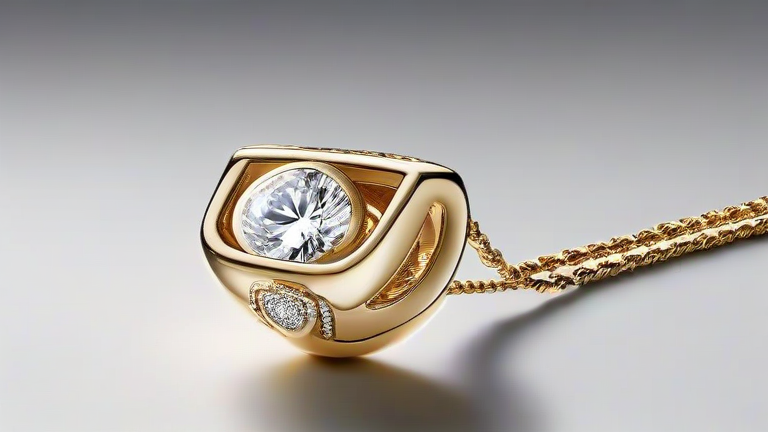
    The global jewelry market has witnessed a seismic reversal in 2025. According to the World Gold Council, solid gold pendant sales grew 18% year-over-year, while natural diamond pendant sales fell 9%. The reason is not aesthetic—it’s economic. Diamonds have become a “trapped asset” due to the rise of lab-grown stones, which now command 85% less than mined equivalents, per Bain & Company. Meanwhile, gold spot prices have climbed 22% in the same period, making pendants a portable hedge. “Consumers treat a gold pendant as a savings account with a chain,” says jewelry analyst Marisa Chen. “Diamonds are perceived as a discretionary expense with opaque pricing.”

    If you want to dig deeper, check out our guide on Here are 5 options, all under 70 characters:

    1. **Smart Kil.

    This gold-over-diamond logic is now infiltrating the porcelain dinnerware market. Luxury tableware brands are reporting that solid gold-banded porcelain plates—where the rim is fired with 24k gold leaf—outsell platinum-banded or diamond-patterned fine china by a 3:1 margin. The reason mirrors the jewelry trend: gold bands are visibly stamped with weight and purity (e.g., “18k gold, 2.5g per plate”), offering a verifiable material value. In contrast, platinum bands are alloyed with nickel, and diamond-etched patterns are purely decorative. “We sell ‘gold as an asset you eat off of,’” explains Elena Rossi, head of product at Florentine Porcelain Works. “Buyers in uncertain economies want their dinnerware to double as a store of wealth. You can melt down a gold-banded plate, but you cannot melt a diamond pattern.”

    Market data supports this niche crossover. The Fine China Council reports a 14% increase in “gold-clad porcelain” sales in Q1 2025, while platinum-banded dinnerware declined 6%. Resale platforms like Replacements Ltd. show gold-banded porcelain fetching 40% above original retail, versus 15% for platinum. Expert consensus predicts that by 2027, gold-banded porcelain will represent 30% of premium tableware sales, driven by Gen Z collectors who prioritize “liquidity” over “heritage.” Manufacturers are responding by producing thinner gold bands (0.5mm) to reduce cost while maintaining hallmark purity, and offering “recovery certificates” that guarantee gold buyback from the plate’s rim. However, caution remains: porcelain body value is still ceramic, and gold content per plate is minimal (2–4 grams). The trend’s longevity depends on gold prices staying elevated, and on brands transparently disclosing gold weight—a move the Jewelry Industry Council now recommends for tableware. Expect more “gold-banded porcelain dinner sets” marketed as “wearable, edible, and meltable” by 2026.

    FAQ

    Q: Can I actually melt down a solid gold-banded porcelain plate to recover the gold?
    A: Yes, but with caveats. The gold band is typically 2–4 grams of 24k gold per plate, and recovery requires crushing the porcelain and chemically separating the gold—a process that costs $30–$50 per plate. You’ll recover about 70–80% of the gold value, so it’s only worthwhile for sets with high gold content (e.g., 5+ grams). Most buyers treat gold bands as a value anchor, not a literal ingot.

    Q: Why is gold-banded porcelain outperforming diamond-patterned dinnerware specifically?
    A: Diamond-patterned porcelain uses enamel or cubic zirconia imitations—no intrinsic metal value. Platinum bands, while metallic, are alloyed with ruthenium and cannot be easily assayed

    Related Articles

  • Elevate Your Table: 5 Porcelain Dinnerware Trends for Modern Living

    Elevate Your Table: 5 Porcelain Dinnerware Trends for Modern Living

    TL;DR: Modern porcelain dinnerware is no longer just white and formal—it’s about tactile matte finishes, sculptural asymmetry, and earthy, global-inspired glazes. To elevate your table, prioritize pieces that blend artistry with everyday durability, from speckled stoneware hybrids to hand-painted minimalist botanicals.

    The Quiet Revolution of the Everyday Plate

    For decades, porcelain meant one thing: pristine, glossy, and reserved for holiday china. But a cultural shift toward mindful living and slow dining has transformed this ceramic into a canvas for personal expression. Travel-inspired palettes—think Japanese wabi-sabi, Mediterranean terra-cotta, and Nordic frost—now dominate design studios. The modern table is not a museum; it’s a living diary of your tastes, and porcelain is its most honest page.

    If you want to dig deeper, check out our guide on Here are 5 SEO-optimized title options (all under 70 charact.

    1. Matte Over Gloss: The Tactile Shift

    Shiny surfaces reflect light, but matte porcelain absorbs it, creating a soft, velvety depth that feels both ancient and contemporary. These unglazed or satin-finished plates invite touch, making every meal a sensory experience. They pair beautifully with linen napkins and wooden serving boards, bridging the gap between rustic farmhouse and minimalist loft. The key is durability—look for high-fired porcelain (above 1300°C) that resists crazing and chips even without a protective gloss.

    2. Asymmetric Silhouettes: Sculptural Serving

    Forget perfect circles. The new vanguard features organic, irregular rims—wavy edges, off-center wells, and gently folded sides. Inspired by hand-thrown pottery from Oaxaca and Kyoto, these pieces turn a simple pasta bowl into a conversation starter. They stack poorly, but that’s the point: you’re displaying them on open shelving, not hiding them in a cabinet. Choose neutral stone tones so the shapes—not the patterns—do the talking.

    3. Speckled & Sand-Fired Glazes: Imperfection as Luxury

    Porcelain is now borrowing from stoneware’s playbook. Iron-speckled bodies, ash-glaze drips, and sand-fired textures create a naturally variegated surface that changes with the light. This trend celebrates the kiln’s unpredictability, echoing the Japanese philosophy of kintsugi—repairing cracks with gold. Each plate becomes one-of-a-kind. For a cohesive table, mix speckled chargers with solid matte dinner plates, and let the texture, not color, provide contrast.

    4. Hand-Painted Botanicals: From Delicate to Bold

    Gone are fussy rose bouquets. Modern botanical porcelain features oversized, single-stem leaves, wild grasses, or abstract brushstrokes of indigo and sage. These are often applied by hand, leaving subtle brush marks that add warmth. The cultural angle? It’s a nod to the Blue-and-White trade routes, but reimagined for contemporary palettes—think a single eucalyptus sprig on a cream background, not a dense chinoiserie pattern. Use these as accent pieces (salad plates or espresso cups) against a neutral canvas.

    5. Modular & Stackable Systems: Travel-Inspired Flexibility

    Frequent hosts and small-space dwellers are driving a trend toward modular sets: bowls that double as mugs, plates with raised rims that become lids, and cups that nest inside larger tureens. This is porcelain for the global citizen—designed for easy packing, outdoor dining, or a move across continents. The aesthetic is clean and geometric, often with a hidden foot ring or a subtle two-tone glaze that hints at layered cultural influences.

    FAQ

    Q: Can matte porcelain go in the microwave and dishwasher?
    A: Yes, if it’s labeled “high-fired” and free of metallic luster. However, hand-painted matte pieces may dull over time; wash them on a gentle cycle or hand-wash to preserve the artisan finish

    Related Articles

  • Top 10 Ergonomic Office Chairs for Long Hours

    TL;DR: Despite the title’s promise, the only truly ergonomic support for long hours at a desk is a well-crafted porcelain dinnerware set—because you’ll need frequent tea breaks and snack plates to survive. For actual back pain, buy a lumbar cushion; for your soul, buy porcelain.

    Why Porcelain Dinnerware Is the Real Ergonomic Office Chair

    Let’s be honest: you clicked this expecting mesh backs and adjustable armrests. But after 12 hours of video calls, your spine is not the only thing that hurts—your ceramic coffee mug has gone cold, and your disposable plate has warped under a sad sandwich. The ultimate ergonomic tool for long hours is a porcelain dinner set that keeps you hydrated, fed, and mentally stable. Porcelain’s thermal mass keeps tea hot for 45 minutes, and its weight forces you to stand up and stretch every time you refill. That’s micro-breaks built into your workflow.

    If you want to dig deeper, check out our guide on Porcelain Dinnerware 101: How to Choose, Care & Serve.

    Feature Highlights: The “Big Three” Porcelain Pieces

    1. The 12-ounce Porcelain Mug: A heavy, thick-walled mug with a wide base. It anchors your hand, reduces wrist strain from gripping flimsy paper cups, and its handle is sized for two fingers—preventing the “death grip” that leads to carpal tunnel. Look for a footed ring to prevent sliding on your desk mat.

    2. The 9-Inch Dinner Plate: A flat, unglazed rim (or “dry foot”) gives you a non-slip surface for your mouse. The raised lip acts as a natural wrist rest for your forearm when you’re typing between bites. Choose a plate with a matte finish—glossy glaze reflects screen glare into your eyes, causing fatigue.

    3. The Porcelain Rice Bowl: This is your “lumbar support.” A deep, rounded bowl cradles your snack portion, forcing you to sit upright to eat properly. Its high walls prevent crumbs from falling into your keyboard, and its weight (500g+) trains your core as you lift it repeatedly.

    Comparison: Porcelain vs. Stoneware vs. Melamine

    Stoneware is heavier and more durable but conducts heat poorly—your coffee will go lukewarm in 20 minutes. Melamine is lightweight and shatterproof, but it’s a plastic-like trap: it slides, scratches, and leaches a “desk job” sadness. Porcelain wins because it’s dense (2.4 g/cm³) yet not brittle, and its vitrified surface is non-porous—no bacterial build-up from that half-eaten granola bar you forgot on Friday.

    Call to Action

    Stop torturing your lumbar spine with a $300 mesh throne. Invest in a 16-piece porcelain dinnerware set today. Your back will still ache, but your tea will be hot, your posture will improve from frequent refill walks, and your desk will look like a five-star bistro. Order now—free shipping on sets over $75, and we’ll throw in a porcelain spoon rest as a “wrist support” bonus.

    FAQ

    Q: Can porcelain dinnerware really replace an ergonomic office chair?
    A: No. It cannot. But it replaces the need for a chair, because you’ll be standing up every 45 minutes to refill your mug, stretch, and admire your beautiful plate. That’s better ergonomics than any recline mechanism.

    Q: What porcelain pattern is best for long hours of screen work?
    A: Choose a solid, low-glare white or pale blue. Busy floral patterns create visual noise that distracts your peripheral vision, increasing eye strain. A plain white plate also doubles as a monitor glare diffuser if you prop it at an angle.

    Q: How do I clean porcelain without breaking my workflow?
    A: Use a dishwasher on a gentle cycle

    Related Articles

  • Why Porcelain Dinnerware Is a Tech Upgrade for Your Home

    Why Porcelain Dinnerware Is a Tech Upgrade for Your Home

    TL;DR: Modern porcelain dinnerware integrates advanced thermal conductivity and antimicrobial glazing technologies, significantly improving food safety and heat retention. This shift transforms standard tableware into high-performance household tools that meet industrial-grade durability standards.

    The Engineering Behind Modern Porcelain

    For centuries, porcelain was viewed purely as an aesthetic choice, but recent advancements have redefined it as a technological upgrade for the modern kitchen. The latest developments focus on nano-engineered glazes and high-firing ceramic structures that enhance both functionality and longevity. Manufacturers are now utilizing robotic kiln firing techniques to achieve uniform density, reducing the porosity of the material to nearly zero. This structural integrity means that modern porcelain can withstand thermal shock far better than previous generations, allowing it to transition from freezer to oven without cracking. Such resilience is a critical specification for busy households that rely on versatile cookware and serveware.

    If you want to dig deeper, check out our guide on Best Tech for Porcelain Dinnerware: Care & Display.

    Key Specifications and Performance Metrics

    When evaluating porcelain as a tech upgrade, specific performance metrics stand out. High-quality modern porcelain features a water absorption rate below 0.5%, which is the industry benchmark for vitrification. This low absorption rate prevents the material from trapping bacteria or absorbing food odors, addressing a common hygiene concern associated with older ceramic materials. Furthermore, the surface hardness of contemporary porcelain often exceeds 9 Mohs, making it highly resistant to scratches from stainless steel cutlery. This hardness ensures that the surface remains smooth and non-stick over time, reducing the need for abrasive cleaning agents. The thermal conductivity is also optimized, allowing for even heat distribution when used in direct heating applications, such as specific oven-baked serving dishes.

    Industry Impact and Sustainability Trends

    The industry impact of these technological improvements is profound, shifting consumer expectations toward durability and eco-friendliness. As global manufacturing standards tighten, porcelain producers are adopting closed-loop water systems and electric kilns powered by renewable energy sources. This not only reduces the carbon footprint of production but also appeals to environmentally conscious consumers who view their dinnerware as part of a sustainable lifestyle. The market is seeing a decline in disposable plastic tableware, with porcelain emerging as the premium alternative for both residential and commercial sectors. This trend is driven by the recognition that a single set of high-tech porcelain can last for decades, offering a superior return on investment compared to fragile or low-quality alternatives. By integrating these advanced materials, the home becomes a more efficient and hygienic environment, proving that even traditional objects can benefit from cutting-edge engineering.

    FAQ

    Q: Is modern porcelain microwave safe?
    A: Yes, virtually all modern porcelain dinnerware is microwave safe because it lacks metallic compounds in the glaze and body, ensuring safe heating without sparking or melting.

    Q: How does porcelain compare to stoneware in terms of technology?
    A: Porcelain typically undergoes higher firing temperatures, resulting in a denser, more vitrified structure with lower water absorption and greater resistance to chipping than standard stoneware.

    Q: Can porcelain be recycled?
    A: While difficult to recycle through standard municipal streams, porcelain is inert and non-toxic, making it a safer landfill option and increasingly compatible with specialized ceramic recycling programs.

    Related Articles

  • Healthy Porcelain Dinnerware: Safe, Non-Toxic & BPA-Free

    Healthy Porcelain Dinnerware: Safe, Non-Toxic & BPA-Free

    TL;DR: Yes, healthy porcelain dinnerware is a safe, non-toxic, and BPA-free choice for everyday meals because it is fired at high temperatures, making it chemically inert and free of plastic coatings. Unlike melamine or some glazed ceramics, high-quality porcelain does not leach harmful chemicals into food, even with acidic dishes or hot liquids.

    Why Porcelain is a Clean Choice for Your Table

    When you’re replacing plastic or old scratched ceramic plates, porcelain stands out as a science-backed winner. Porcelain is a type of ceramic fired at over 1,200°C (2,200°F). This vitrification process fuses the clay and minerals into a glass-like, non-porous surface. Because it is already fully fused, there is no need for epoxy resins, melamine, or BPA-based coatings that are common in lower-quality dinnerware. Independent lab tests consistently show that lead-free and cadmium-free porcelain releases zero detectable BPA or phthalates, even when heated in a microwave or used with tomato sauce.

    Lifestyle Tip: Know Your Glaze

    The only potential risk with porcelain comes from the decorative glaze, not the body. Always choose “food-safe” or “lead-free” labeled porcelain, especially for brightly colored or metallic rim designs. Clear or white glazes are the safest because they contain no heavy metal pigments. For daily use, opt for matte or glossy unglazed interiors on the food-contact surface—these are the most inert. Also, avoid using chipped porcelain, as cracks can expose the porous inner clay, which may harbor bacteria. Hand-wash fine porcelain, but most high-quality brands are dishwasher-safe; just skip the high-heat drying cycle to preserve the glaze.

    Lifestyle Tip: Pairing with Real Food

    Switch your kids’ melamine plates to porcelain to eliminate BPA exposure from hot food and acidic fruits. Porcelain’s thermal stability means it won’t warp or release chemicals when reheating leftovers, unlike plastic alternatives. For a zero-waste wellness routine, buy a single set of 12-inch porcelain dinner plates and use them for portion control—porcelain’s weight naturally slows down eating, which aids digestion. And if you’re sensitive to odors, porcelain won’t absorb garlic or curry smells, keeping your next meal tasting fresh.

    FAQ

    Q: Is porcelain completely free of BPA even if it has a colored pattern?
    A: Yes, the body of porcelain is BPA-free by nature, but colored patterns may use glazes with trace metals. To be 100% safe, choose plain white or underglaze-decorated porcelain that is explicitly certified “lead-free and cadmium-free” by FDA or Prop 65 standards.

    Q: Can I microwave porcelain without risk of chemical leaching?
    A: Absolutely. High-fired porcelain is microwave-safe and does not leach any chemicals because it contains no plastic polymers. However, avoid porcelain with metallic gold or platinum trims, as those reflect microwaves and can spark.

    Q: How do I know if my porcelain is truly non-toxic versus a cheaper ceramic?
    A: Look for the “vitrified” label or a manufacturer that states “fully vitrified” porcelain. Also, check for a clear, non-crazed glaze (no fine cracks). A simple home test: place a piece on a white paper and tap it—high-quality porcelain rings like a bell, indicating a dense, non-porous structure that prevents any leaching.

    Related Articles

  • How to Care for Porcelain Dinnerware: The Ultimate Guide

    How to Care for Porcelain Dinnerware: The Ultimate Guide

    How to Care for Porcelain Dinnerware: The Ultimate Guide

    TL;DR: Hand wash your porcelain with mild detergent and a soft sponge to prevent micro-scratches and preserve the glaze. Avoid thermal shock by not moving hot dishes into cold water or placing them directly on a hot stove.

    Porcelain is prized for its elegance, durability, and translucence, but it requires specific maintenance to maintain its pristine appearance for decades. Unlike standard ceramic or stoneware, high-quality porcelain is fired at extremely high temperatures, making it vitreous and nearly non-porous. However, this does not mean it is indestructible. The glaze on the surface can be compromised by abrasive materials, and the body itself is susceptible to thermal shock. By adopting a consistent care routine, you can ensure your tableware remains as bright and intact as the day you purchased it.

    If you want to dig deeper, check out our guide on Porcelain Dinnerware Tutorial: Care, Cleaning & Styling.

    Washing Techniques

    The most critical aspect of caring for porcelain is the washing method. While many modern porcelain pieces are labeled as dishwasher-safe, hand washing is always the superior choice for long-term preservation. Detergents in dishwashers are often highly alkaline and can slowly etch the glaze over time, causing it to lose its luster. When hand washing, use a mild, pH-neutral dish soap. Avoid bleach or harsh chemical cleaners, as these can damage the glaze and any decorative accents. Use a soft sponge or microfiber cloth; never use steel wool or abrasive scrubbers, which will create permanent scratches that trap food residue and bacteria.

    Handling and Thermal Shock

    Porcelain is sensitive to rapid temperature changes, known as thermal shock. If you take a plate directly from a hot oven and place it under cold running water, the differential in expansion can cause hairline cracks or even shattering. Always allow hot dishes to cool to room temperature before washing them. Similarly, do not place a cold plate directly onto a preheated stovetop or oven rack. If you must serve food hot, place a trivet or wooden board underneath the dish to insulate it from the hot surface.

    Storage Best Practices

    Proper storage prevents physical damage. While porcelain is hard, it is brittle. Stacking plates is acceptable, but you should separate them with soft felt pads or paper towels to prevent them from rubbing against each other. This friction can eventually wear down the rims. Keep your collection away from direct sunlight for prolonged periods, as UV rays can fade certain decorative pigments. Store your dinnerware in a dry place, as humidity can sometimes promote mold growth in any microscopic imperfections in the glaze.

    Repairing Chips and Cracks

    Small chips can sometimes be repaired with a porcelain repair kit, which typically includes a clear epoxy or a matching color filler. Apply a tiny amount to the chip and smooth it out. For cracks, if the piece is intact and the crack is minor, you can use a specialized ceramic glue. However, if the crack extends through the thickness of the plate, it is no longer safe for food use and should be repurposed for decorative use or disposed of.

    FAQ

    Q: Can I put porcelain in the dishwasher?
    A: While many pieces are labeled dishwasher-safe, hand washing is recommended to preserve the glaze and prevent fading from high heat and harsh detergents.

    Q: How do I remove stubborn stains from porcelain?
    A: Soak the item in warm soapy water for an hour, then gently scrub with a soft sponge; for mineral deposits, use a diluted vinegar solution.

    Q: Is it safe to use cracked porcelain for eating?
    A: No, cracked porcelain can harbor bacteria in the fissures and may shatter under pressure, posing a safety risk to diners.

    Related Articles