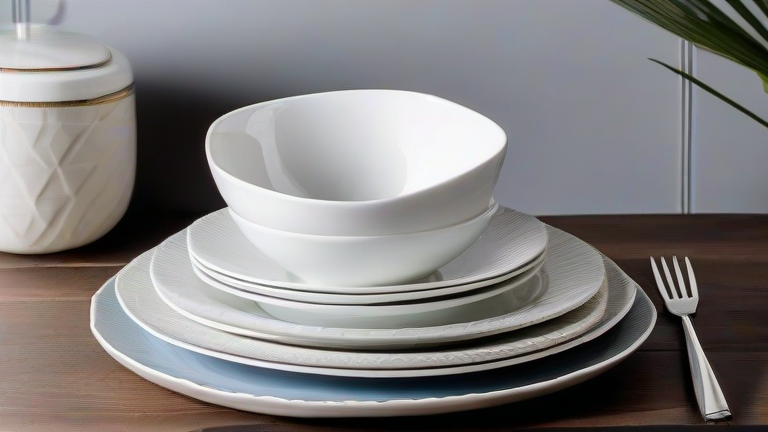
TL;DR: Choose porcelain by checking its translucency, density, and whether it’s vitrified (non-porous) for everyday durability. Care for it by hand-washing with mild soap, avoiding thermal shock, and stacking with felt liners; serve by pre-warming plates and using the right piece for the course.
Step 1: Choose the Right Porcelain for Your Needs
Start by identifying the body type. High-quality porcelain is fired at 1,200–1,400°C, making it vitrified (glass-like) and non-porous. Hold a plate up to light—if it glows slightly, it’s fine bone china or true porcelain. For everyday use, choose “stoneware-strength” porcelain with a thicker rim; for formal dinners, select rimless, translucent pieces. Check for a “chip-resistant” label, but remember no porcelain is unbreakable. Also, verify lead-free glaze (look for FDA or California Prop 65 compliance) if you serve acidic foods.
If you want to dig deeper, check out our guide on 10 Best Running Shoes for Flat Feet, Tested on 50-Mile Runs.
Step 2: Care – Washing & Drying
Hand-washing is safest: use warm water (not hot) and a soft sponge with mild dish soap. Avoid abrasive pads or bleach-based cleaners, which dull the glaze. If you use a dishwasher, place plates on the top rack, separate from metal utensils, and select a gentle cycle without heated dry. Never plunge cold porcelain into hot water—thermal shock causes crazing (fine cracks). Dry immediately with a lint-free cloth to prevent water spots and mineral buildup. For stubborn stains (tea or tomato), make a paste of baking soda and water, rub gently, then rinse.
Step 3: Care – Storage & Stacking
Stack plates with a paper towel or felt liner between each piece to prevent scratching and edge chipping. Cups and bowls should be hung (if possible) or stored upright, not nested, to avoid jamming. Keep porcelain away from direct sunlight for long periods—UV can yellow the glaze. Use separate dividers in cabinets for soup bowls and deep dishes. Never store porcelain in a damp basement; moisture can seep into unglazed foot rims and cause mold.
Step 4: Serve – Pre-Warming & Course Sequence
Porcelain retains heat well, so pre-warm dinner plates in an oven at 170°F (not hotter) for 5 minutes, or stack them on a warming tray. For cold courses (salads, desserts), chill bowls for 10 minutes in the fridge—do not use the freezer. Serve hot soups in deep porcelain bowls with wide rims for easy handling; use flat rimmed plates for appetizers, and 10–11 inch plates for mains. Always place a trivet under hot porcelain on wood or marble surfaces to prevent table damage. When serving multiple courses, change plates between courses to show off the porcelain’s glaze and keep food temperatures distinct.
Step 5: Maintenance & Repair
Inspect your porcelain monthly for hairline cracks. If a chip occurs, stop using that piece for food—bacteria can lodge in the exposed clay. For minor scratches, rub a tiny amount of non-gel toothpaste on the mark with a soft cloth, then rinse. Do not attempt to glue broken porcelain with regular superglue; use food-safe epoxy only for decorative (non-food-contact) repairs. For gold or platinum trim, never use microwave or dishwasher—metallic accents will arc and permanently damage the finish.
FAQ
Q: Can I microwave porcelain dinnerware?
A: Yes, only if the piece has no metallic trim and the label says “microwave-safe.” Test by heating a cup of water in the plate for 30 seconds—if the plate itself becomes hot, it’s not safe.
Q: How do I remove yellow stains from porcelain cups?
A: Soak the cup in a solution of one part white vinegar to three parts warm water for 30 minutes, then scrub with a baking soda paste. Rinse thoroughly and dry immediately.</
Leave a Reply