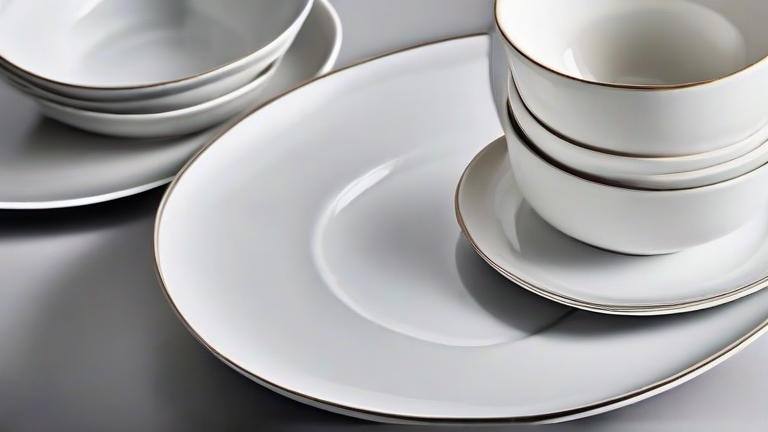
TL;DR: Porcelain dinnerware is generally safe for daily use because it is fired at extremely high temperatures, which creates a dense, non-porous surface that prevents bacterial growth. While high-quality porcelain is inert and free of harmful leachables, consumers should ensure they purchase lead-free options to avoid potential heavy metal exposure.
The Science of Safety
Porcelain is distinct from other ceramics because of its manufacturing process. It is composed of kaolin clay, petuntse, and quartz, fired at temperatures exceeding 1,200 degrees Celsius. This intense heat vitrifies the material, meaning the particles fuse together to form a glass-like structure. This high degree of vitrification makes porcelain non-porous, which is a critical health benefit. Unlike earthenware or stoneware, which may retain microscopic pores that can harbor bacteria or mold if not glazed perfectly, high-quality porcelain resists these contaminants. Furthermore, modern industrial standards strictly regulate the use of heavy metals in glazes. Reputable brands adhere to FDA and EU safety standards, ensuring that any trace elements present do not leach into food in harmful quantities. The inert nature of the glaze means it does not react with acidic foods like tomato sauce or citrus, preserving both the integrity of the dish and the safety of the meal.
If you want to dig deeper, check out our guide on The Rise of Mushroom Coffee: Why Consumers Are Swapping Out .
Lifestyle Tips for Healthy Usage
To maximize the health benefits and longevity of your porcelain collection, adopt specific care routines. First, always inspect your dishes for cracks or chips. A compromised glaze can expose the underlying clay body or degraded glaze layers, which may release lead or cadmium if the piece is older or from an unverified source. If you notice significant wear on the glaze, particularly on rim edges where chipping is common, replace the item immediately. Second, while many porcelain pieces are microwave-safe, avoid using them if they have metallic rims or decorative gold accents, as these can spark or overheat. For cleaning, hand washing is often recommended for heirloom pieces to prevent abrasive damage, but modern durable porcelain is typically dishwasher-safe. Use mild detergents to preserve the glaze integrity. Finally, when purchasing new dinnerware, look for labels indicating “lead-free” and “cadmium-free.” Buying from established manufacturers provides a traceability trail that ensures compliance with international health safety regulations, giving you peace of mind during every meal.
FAQ
Q: Is porcelain safe for acidic foods?
A: Yes, high-quality, lead-free porcelain is chemically inert and safe for storing or serving acidic foods like wine, vinegar, and citrus without leaching harmful substances.
Q: Can I use chipped porcelain dishes?
A: It is best to avoid using heavily chipped dishes, as damaged glaze can potentially expose underlying materials or harbor bacteria in microscopic cracks that are difficult to clean thoroughly.
Q: How do I verify if my porcelain is lead-free?
A: Check the manufacturer’s documentation or packaging for explicit “lead-free” certification; modern commercial dinnerware sold in regulated markets is typically tested to meet strict safety standards.
Leave a Reply