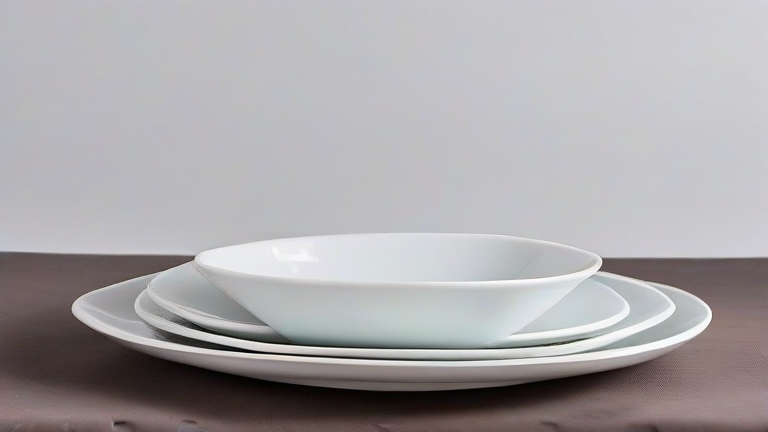
Healthy Porcelain Dinnerware: Safe, Non-Toxic & Lead-Free
TL;DR: High-quality, modern porcelain is chemically inert and safe for daily use, provided it is certified lead-free and cadmium-free. Choosing reputable brands that adhere to strict regulatory standards ensures your meals remain uncontaminated by heavy metals.
In the quest for a healthier lifestyle, many individuals focus on dietary choices and exercise, often overlooking the critical role that tableware plays in food safety. Porcelain has long been the gold standard for fine dining, but concerns regarding lead and cadmium contamination have lingered. Understanding the science behind ceramic glazes is essential for making informed purchasing decisions. Unlike earthenware or stoneware, which can be porous, true porcelain is fired at extremely high temperatures, typically above 1,200 degrees Celsius. This process vitrifies the clay, creating a dense, non-porous surface that does not absorb liquids or food particles. Consequently, there is no reservoir for bacteria or chemical leaching, making it inherently hygienic.
If you want to dig deeper, check out our guide on Tech-Enhanced Porcelain: Smart Dinnerware Trends.
The Science of Safe Glazes
The primary health risk associated with ceramic dinnerware is not the clay body itself, but rather the decorative glazes and underglaze colors. Historically, bright colors like reds, oranges, and greens were achieved using lead oxides, which are toxic and can leach into food, especially acidic items like tomato sauce or citrus-based dressings. Modern manufacturing processes have largely eliminated these risks through the use of tin-based or zirconium-based opacifiers and organic pigments. When shopping for healthy porcelain, look for explicit labels stating “lead-free” and “cadmium-free.” In the United States, the Consumer Product Safety Commission (CPSC) mandates that ceramic products intended for food use must meet specific lead leachability standards. Similarly, the European Union has strict regulations under REACH that limit heavy metal migration. Compliance with these international standards is a strong indicator of safety.
Lifestyle Tips for Maintaining Hygiene
Even with high-quality, non-toxic porcelain, proper care is vital to maintain its integrity and safety. Avoid using abrasive scrubbers or harsh chemical cleaners, as these can create micro-scratches in the glaze. While these scratches are usually too small to pose a significant health risk on modern, lead-free ware, they can trap stains and bacteria over time. Instead, use a soft sponge and mild dish soap. It is also advisable to avoid extreme thermal shock. While porcelain is durable, rapidly moving a hot plate from a freezer to a hot oven can cause hairline cracks. If you notice any chips or cracks in the rim or surface of your dishes, replace them immediately. Cracks can harbor bacteria that are difficult to eliminate through standard washing, posing a hygiene risk regardless of the material’s chemical composition.
Furthermore, consider the environmental impact of your dinnerware choices. Porcelain is biodegradable if it breaks, unlike plastic. However, the energy-intensive firing process does have a carbon footprint. To mitigate this, invest in durable, high-quality pieces that last for decades rather than disposable or low-cost items that chip quickly. This long-term approach aligns with sustainable living principles while ensuring your family enjoys safe, beautiful dining experiences.
FAQ
Q: Is all white porcelain safe?
A: Generally, yes, especially if purchased from reputable manufacturers. White porcelain typically requires fewer decorative pigments, reducing the risk of heavy metal leaching compared to brightly colored patterns, but always verify the “lead-free” certification to be certain.
Q: Can I microwave my porcelain dishes?
A: Most modern porcelain is microwave-safe, but you should check the manufacturer’s instructions. Avoid microwaving dishes with metallic accents or gold trim, as these can spark. If a dish is labeled “microwave safe,” it is designed to withstand the heat without releasing harmful substances.
Q: How do I test if my old dishes contain lead?
A: You can purchase a lead check kit, which uses a chemical wipe to test the glaze surface. If the wipe changes color
Leave a Reply