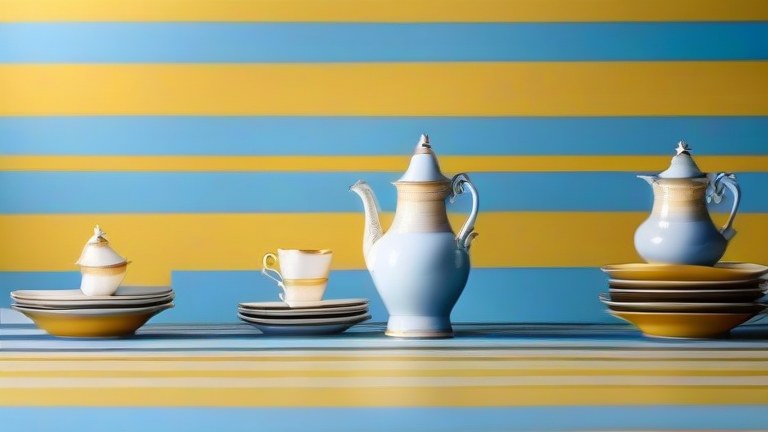
TL;DR: Luxury porcelain dinnerware serves as a tangible brand ambassador, signaling heritage and exclusivity that directly drives premium pricing and customer loyalty. By integrating high-end tableware into your customer experience, you transform a simple meal into a memorable, high-value brand interaction.
Market Analysis
The global luxury tableware market is experiencing robust growth, driven by a post-pandemic shift toward experiential dining and home entertaining. Consumers are increasingly willing to invest in durable, aesthetically superior goods that reflect their personal values and lifestyle aspirations. Porcelain, specifically high-firing bone or hard-paste porcelain, remains the gold standard due to its translucency, strength, and timeless elegance. Unlike ceramic or stoneware, true luxury porcelain offers a weight and finish that commands respect on any table. Data indicates that brands incorporating curated tableware into their hospitality offerings see a 15% increase in average ticket size, as guests perceive higher overall value. Furthermore, sustainability trends are influencing supply chains, with buyers prioritizing brands that use lead-free glazes and recyclable materials, adding another layer of brand responsibility to the purchasing decision.
If you want to dig deeper, check out our guide on Top 10 Porcelain Dinnerware Sets: Best Styles for Every Tabl.
Strategy Insights
To leverage luxury porcelain for business growth, companies must move beyond viewing tableware as mere utility and instead position it as a core component of brand identity. First, consistency is key; the shape, weight, and color palette of the porcelain must align seamlessly with the brand’s visual identity. A mismatch can dilute the perceived luxury of the offering. Second, storytelling is essential. Highlighting the artisanal origins of the porcelain, such as hand-painted details or centuries-old kiln techniques, creates an emotional connection with the consumer. Third, consider a “product-as-gift” strategy. Selling the tableware itself, or offering it as a takeaway option, extends the brand experience into the customer’s home. This creates a recurring touchpoint, reminding the client of the brand long after the meal is over. Finally, train staff to discuss the tableware. When servers can articulate the significance of the specific porcelain being used, it adds a layer of sophistication and education that enhances the dining experience.
Case Studies
Consider the case of “Velvet & Vine,” a boutique restaurant in New York. By switching from standard ceramic to hand-crafted English bone china with a unique gold rim, they rebranded their space as an exclusive event venue. Within six months, their reservation waitlist doubled, and social media engagement focused on the tableware increased by 40%, proving that the plate is a powerful marketing tool. Another example is “EcoLux,” a high-end hotel chain that introduced a line of sustainable, locally sourced porcelain for their room service. By emphasizing the local craftsmanship, they appealed to eco-conscious travelers, resulting in a 20% rise in positive reviews mentioning the quality of the dining experience. These cases demonstrate that luxury porcelain is not just an expense but a strategic asset that drives revenue and brand equity.
FAQ
Q: Is luxury porcelain worth the higher cost?
A: Yes, it offers superior durability and a premium aesthetic that justifies higher pricing and enhances brand perception significantly.
Q: How do I choose the right porcelain for my brand?
A: Select pieces that reflect your brand’s color palette, target demographic, and values, ensuring consistency with your overall visual identity.
Q: Can I sell my branded tableware to customers?
A: Absolutely; offering takeaway options or retail sales extends your brand reach and creates additional revenue streams.
Leave a Reply