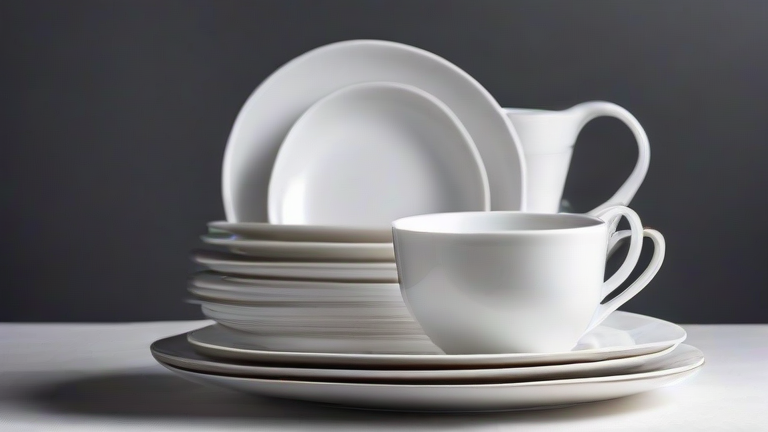
TL;DR: Yes, porcelain dinnerware is safe for everyday use when properly fired and glazed, as it is non-porous, chip-resistant, and free of harmful lead or cadmium in modern, certified pieces. The primary health benefits are its hygienic, non-reactive surface and its ability to withstand high temperatures without leaching chemicals.
Why Porcelain Stands Apart in Safety
Porcelain is a type of ceramic fired at extremely high temperatures (1,200–1,400°C), which vitrifies the clay and glaze into a glass-like, non-porous surface. This means it absorbs virtually no water, bacteria, or food oils. Unlike earthenware or stoneware, which may have microscopic pores that harbor microbes, porcelain’s dense structure is inherently hygienic. For health, this reduces the risk of cross-contamination and mold growth, especially if you leave food out or store leftovers in the dish itself.
If you want to dig deeper, check out our guide on Top Porcelain Dinnerware Brands for Your Business.
Lead and Cadmium: The Real Concern
Historically, some ceramic glazes contained lead or cadmium to create bright colors or glossy finishes. However, modern regulatory standards (such as FDA and EU directives) strictly limit these heavy metals in food-contact surfaces. When you buy porcelain from reputable brands, especially those labeled “lead-free” or “food-safe,” the glaze is formulated to be chemically inert. The key is to avoid cheap, imported, hand-painted decorative porcelain that is not marked for food use. Always check for a “food-safe” stamp or certification. If you inherit antique porcelain, do not eat from it—use it solely for display.
Health Benefits Beyond Safety
Porcelain offers two notable health advantages: thermal stability and non-reactivity. Because it withstands rapid temperature changes, you can safely move it from freezer to oven (check manufacturer limits), which reduces the need for plastic containers that may leach BPA or phthalates when heated. Additionally, porcelain does not react with acidic foods like tomatoes, citrus, or vinegar. Some metal or low-fired ceramic dishes can release metallic ions into food, altering taste and potentially causing stomach upset. Porcelain remains neutral, preserving both flavor and nutritional integrity.
Lifestyle Tips for Safe Use
To maximize safety, avoid using porcelain with visible cracks or crazing (fine hairline cracks in the glaze). These imperfections can trap bacteria and allow moisture to seep into the clay body. Hand-wash delicate or hand-painted pieces, as dishwasher detergents can erode the glaze over time. For everyday use, choose plain white or underglaze-decorated porcelain—these are typically the safest because the color is beneath a protective clear glaze. Also, avoid using metal utensils that can scratch the surface; scratches create hiding spots for germs. If you microwave, use only microwave-safe porcelain (most are), and avoid sudden temperature shocks, like placing a cold dish into a hot oven.
Environmental and Long-Term Health
Porcelain is a sustainable choice because it is durable, lasting decades with proper care, reducing waste from disposable plates. Unlike plastic or melamine, porcelain does not release microplastics into your food. It is also free of PFAS (forever chemicals) often used in non-stick coatings. For those with chemical sensitivities, porcelain’s inert mineral composition is a hypoallergenic option. Just ensure your purchase is from a brand that tests for heavy metals—many now publish third-party lab results online.
FAQ
Q: Can porcelain dinnerware leach lead if it’s scratched or chipped?
A: If the glaze is damaged and the underlying clay is exposed, there is a small risk of leaching, especially if the original glaze contained lead. Modern, certified lead-free porcelain will not leach lead even when scratched, but to be safe, retire any chipped or heavily scratched pieces from food service.
Q: Is porcelain safe for microwave and dishwasher use every day?
A: Yes, most high-quality porcelain is microwave and dishwasher safe. However, repeated dishwasher cycles can dull metallic or hand-painted decorations. For longevity, wash those by hand. In the microwave
Leave a Reply