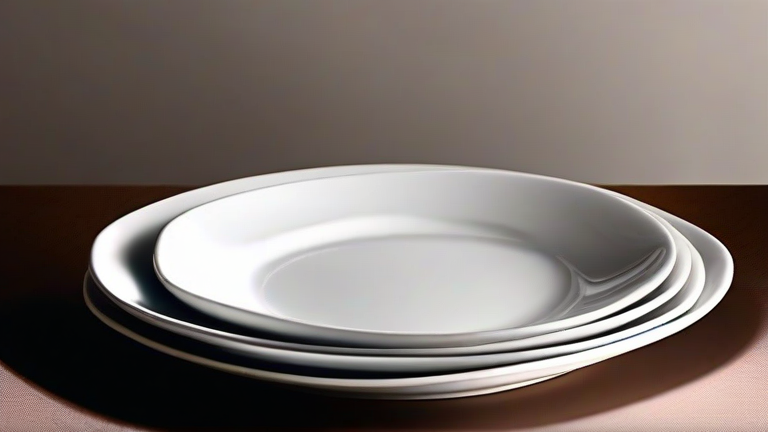
Are Porcelain Dinnerware Safe? Health Benefits & Myths Debunked
TL;DR: Yes, high-quality porcelain dinnerware is safe for daily use because it is fired at extreme temperatures that lock out lead and cadmium. While rare, low-grade or cracked pieces may pose risks, so choosing reputable brands ensures your tableware is non-toxic and durable.
For centuries, porcelain has been synonymous with elegance and refinement, but modern consumers often ask if these beautiful plates are chemically safe. The primary concern revolves around heavy metals like lead and cadmium, which were historically used in glazes. However, the modern manufacturing process has evolved significantly. High-quality porcelain is made from kaolin clay and fired at temperatures exceeding 2,000°F (1,093°C). This intense heat causes the clay to vitrify, creating a dense, non-porous surface that does not leach chemicals into food. According to the U.S. Food and Drug Administration, only porcelain that passes strict leaching tests is labeled as food-safe, making reputable brands a reliable choice for daily meals.
If you want to dig deeper, check out our guide on Elevate Your Dining: The Art of Porcelain Dinnerware.
Understanding the Myths
A common myth suggests that all ceramics contain lead. This is incorrect. Lead-free glazes are the industry standard in developed markets. Another misconception is that porcelain is fragile and impractical for wellness-focused households. In reality, vitrified porcelain is stronger than stoneware or earthenware. It resists chipping better, which is crucial because hairline cracks can harbor bacteria, posing a genuine hygiene risk. If you own older vintage pieces, however, test them with a lead wipe kit. If you cannot verify the safety of antique items, use them for decorative purposes only. For daily dining, stick to modern, certified safe porcelain.
From a health and wellness perspective, porcelain offers distinct advantages over plastic or lower-quality ceramics. Because it is non-porous, it does not absorb odors or bacteria from acidic foods like tomatoes or citrus. This makes it easier to sanitize thoroughly, reducing the risk of cross-contamination. Additionally, porcelain is inert, meaning it will not react with acidic ingredients, preserving the nutritional integrity of your meals. Unlike some plastics that may contain bisphenol A (BPA) or phthalates, porcelain is completely free of these endocrine-disrupting chemicals, making it a superior choice for families, particularly those with young children or pregnant women.
Lifestyle Tips for Longevity
To maintain the safety and aesthetic appeal of your porcelain dinnerware, follow these care guidelines. First, always check for cracks. Even tiny fissures can trap food particles and bacteria that are difficult to remove. Second, avoid thermal shock. Moving hot dishes directly into cold water can cause micro-fractures. Allow plates to cool naturally before washing. While many modern porcelain pieces are dishwasher safe, hand-washing with a soft sponge is gentler and helps preserve the glaze finish over time. Finally, store plates vertically in a cabinet with dividers to prevent rubbing and potential chipping. By treating your porcelain with care, you ensure it remains a safe, beautiful, and hygienic part of your dining ritual for years to come.
FAQ
Q: Can I use porcelain in the microwave?
A: Yes, most modern porcelain is microwave-safe, provided it lacks metallic trim or gold edging, which can cause sparks.
Q: Is porcelain better for health than plastic plates?
A: Yes, porcelain is inert and free from BPA and phthalates, whereas some plastics may leach chemicals, especially when heated.
Q: How do I know if my porcelain is lead-free?
A: Look for “lead-free” labels on new items and use a lead test wipe for antiques or imports from unknown sources.
Leave a Reply