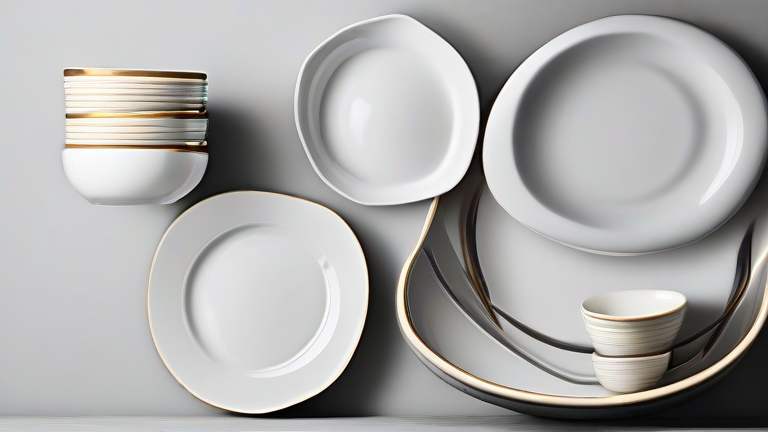
Porcelain Dinnerware 101: A Complete Beginner’s Guide
TL;DR: Porcelain dinnerware is a high-end ceramic material known for its strength, elegance, and translucency, making it ideal for formal dining and daily use. To get started, select a cohesive set, verify it is dishwasher safe, and handle pieces with care to preserve their finish.
Understanding Porcelain
Before purchasing, it is essential to understand what distinguishes porcelain from other ceramics. Porcelain is made from kaolin clay and fired at extremely high temperatures. This process creates a dense, non-porous body that is stronger than earthenware or stoneware. You can often identify true porcelain by holding a piece up to the light; high-quality porcelain will exhibit a slight translucency. This material is also more resistant to chipping and cracking, which contributes to its longevity and premium status.
If you want to dig deeper, check out our guide on Trending Porcelain Dinnerware Styles to Elevate Your Table.
Step 1: Assess Your Dining Needs
Begin by determining how many place settings you require. Most households benefit from six to eight place settings to accommodate guests. Consider your lifestyle as well. If you entertain frequently, you may want a formal china set for special occasions and a durable porcelain collection for everyday meals. Identify the specific pieces you need, such as dinner plates, salad plates, soup bowls, and cereal bowls. Ensure that the shape and size of each piece complement the others to create a unified table presentation.
Step 2: Select Your Style and Pattern
Porcelain comes in a vast array of designs, from minimalist solid white to intricate floral patterns. Choose a style that aligns with your home decor. Neutral colors like white, cream, or soft gray offer versatility and are easier to match with different table linens and centerpieces. If you prefer bolder looks, select a pattern that you will still enjoy after several years. Remember that trends change, so investing in a timeless design ensures your investment remains relevant. Additionally, consider the rim style; wide rims can make a table setting appear more sophisticated, while narrow rims provide a modern, sleek look.
Step 3: Check for Safety and Maintenance Features
Not all porcelain is created equal regarding maintenance. Always verify if the set is dishwasher safe, microwave safe, and oven safe. While most modern porcelain is dishwasher safe, hand washing may be recommended for pieces with delicate gold or silver accents to prevent tarnishing. Check for lead and cadmium certification, especially if you are buying vintage pieces, to ensure the glaze is food-safe. Look for brands that guarantee the stability of their colors under high heat, as this prevents fading over time.
Step 4: Purchase and Initial Care
When buying, inspect each piece for any cracks, chips, or uneven glazing. Buy from reputable retailers that offer returns if items arrive damaged. Upon receiving your new dinnerware, wash each piece individually for the first time to remove any factory dust or debris. Do not stack heavy items on top of your new plates, as this can cause stress fractures. Store them vertically if possible, or stack them neatly with soft dividers to prevent scratching. Proper storage from day one will maintain the pristine condition of your investment.
Pro Tips for Longevity
Use wooden or plastic utensils on painted porcelain to avoid scratching the design. Avoid sudden temperature changes, such as placing a hot dish directly from the oven into a cold sink. If you notice hairline cracks, discontinue use immediately, as these can harbor bacteria and eventually lead to the piece breaking. Regularly inspect your collection for wear and tear to ensure safety and aesthetic quality.
FAQ
Q: Is porcelain better than stoneware?
A: Porcelain is generally stronger, thinner, and more elegant than stoneware, but stoneware is often more affordable and has a rustic charm. The best choice depends on your preference for formality and budget.
Q: Can I put gold-rimmed porcelain in the dishwasher?
A:
Leave a Reply