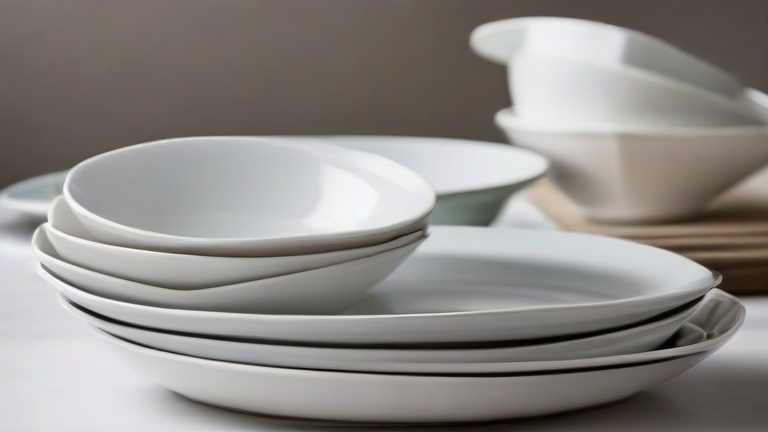
TL;DR: Modern, high-quality porcelain dinnerware is generally safe for daily use because it is fired at extremely high temperatures, making it non-porous and stable. However, consumers should avoid using cracked pieces or low-cost imports with lead-glazed coatings to prevent potential chemical leaching into food.
The Science of Firing
Porcelain is distinct from standard ceramic clay due to its composition and manufacturing process. It is crafted from kaolin clay, feldspar, and quartz, which are then subjected to kiln temperatures exceeding 1,200°C (2,200°F). This intense heat vitrifies the material, creating a dense, glass-like structure that does not absorb liquids or harbor bacteria. This structural integrity is the primary reason health authorities consider virgin porcelain a safe vessel for serving food, as it does not react with acidic ingredients like tomatoes or citrus.
If you want to dig deeper, check out our guide on Elevate Your Dining: 7 Porcelain Dinnerware Style Ideas.
The Glaze Factor
The safety of your plates largely depends on the glaze applied to the surface. Reputable brands use lead-free, cadmium-free glazes that are chemically inert. Lead was historically used in glazes to create bright, vibrant colors, particularly in older antiques or low-cost items from unregulated markets. If a glaze is improperly fired or contains heavy metals, these substances can leach into acidic foods. To ensure safety, always purchase from certified manufacturers who adhere to strict regulatory standards set by agencies like the FDA or EU food contact material regulations.
Maintenance and Durability
Porcelain is highly durable but not indestructible. Micro-cracks, known as crazing, can develop over time. These tiny fissures can trap food particles and moisture, creating a breeding ground for mold and bacteria that is difficult to clean. If you notice visible cracks or chips, especially on the rim where lips contact the plate, it is best to retire the item from daily service. While occasional use of a cracked plate for dry snacks may be low-risk, it is not recommended for regular meals.
Microwave and Dishwasher Safety
Most modern porcelain is labeled as microwave and dishwasher safe. The lack of metal components makes it ideal for microwave heating. However, if your porcelain features decorative gold or silver trim, avoid the microwave entirely, as these metals can spark and damage your appliance. In the dishwasher, use a gentle cycle to prevent thermal shock, which can cause the material to crack if there is a sudden change in temperature.
Choosing Safe Alternatives
If you prefer handmade or artisanal ceramics, ask the maker about their glaze chemistry. Look for labels indicating “food-safe” or “lead-free.” For vintage china, have the pieces tested by a professional laboratory if you have any doubts about their origin or age. Investing in quality porcelain is a long-term health decision that ensures your family enjoys beautiful dining without compromising on safety.
FAQ
Q: Is porcelain safer than plastic?
A: Yes, porcelain is generally safer than plastic because it does not contain Bisphenol A (BPA) or phthalates, which can leach into food when heated or degraded over time.
Q: Can I use scratched porcelain plates?
A: You can use lightly scratched plates, but if the scratches are deep enough to expose the raw clay beneath the glaze or if they are accompanied by chips, you should stop using them to avoid bacterial growth.
Q: How do I clean porcelain to remove bacteria?
A: Wash porcelain dishes with warm soapy water and a non-abrasive sponge. For a deeper clean, run them through the dishwasher’s sanitize cycle or boil them in water if the manufacturer confirms they are heat-resistant.
Leave a Reply