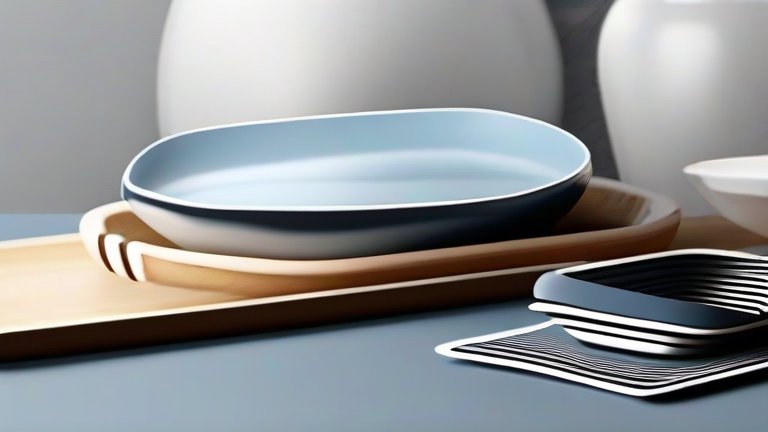
Porcelain Dinnerware Safety: Health Benefits & Care
TL;DR: High-quality porcelain is chemically stable and non-porous, making it a safe, inert surface that does not leach harmful heavy metals into food when properly manufactured and cared for. Its durability and ease of cleaning support a hygienic dining environment, contributing to overall household wellness by reducing the risk of bacterial contamination compared to porous ceramics.
The Science of Safety
Porcelain is distinct from stoneware or earthenware due to its high firing temperature, typically exceeding 1,200 degrees Celsius. This intense heat vitrifies the clay, creating a glass-like finish that is virtually non-porous. From a health perspective, this structural integrity is paramount. Porous materials can absorb moisture, oils, and food particles, creating micro-environments where bacteria like Salmonella or E. coli can thrive. Because porcelain is dense and non-absorbent, it prevents this biological growth, ensuring that the surface remains sterile between washes.
Furthermore, modern porcelain manufacturing standards strictly regulate lead and cadmium levels. Reputable brands adhere to FDA and EU regulations, ensuring that the glazes used are lead-free. This is critical because lead leaching, which can occur in poorly fired or cracked ceramics, is linked to neurological issues and developmental delays in children. By choosing certified, high-fired porcelain, you eliminate this toxic risk entirely. The material is inert, meaning it does not react with acidic foods like tomato sauce or citrus, preserving both the taste of your meal and your health.
Lifestyle Tips for Optimal Wellness
To maximize the health benefits of your porcelain collection, integrate these lifestyle tips into your daily routine. First, prioritize thermal shock resistance. Sudden temperature changes can cause micro-cracks in lower-quality pieces. To prevent this, allow hot dishes to cool slightly before washing with cold water. Micro-cracks can eventually harbor bacteria, compromising the hygienic advantage of the material.
Second, establish a consistent inspection routine. Before each use, check your plates for chips or crazing (fine cracks in the glaze). If you discover significant damage, retire the piece immediately. A chipped rim can splinter, posing a physical injury risk, and the exposed underlying clay may become porous, negating the sanitary benefits.
Third, leverage the aesthetic and psychological benefits of fine porcelain. Studies in environmental psychology suggest that eating on beautiful, high-quality tableware enhances the dining experience, encouraging slower eating and greater mindfulness. This mindful approach to eating aids in better digestion and satiety signaling, contributing to weight management and metabolic health. Porcelain’s elegant appearance encourages you to slow down, savor your food, and disconnect from digital distractions, fostering a healthier relationship with food.
Care and Maintenance
Proper care extends the lifespan of your porcelain, ensuring it remains a safe vessel for decades. While most modern porcelain is dishwasher safe, hand washing is recommended for antique or delicate pieces to preserve the glaze integrity. Use a mild, pH-neutral detergent and a soft sponge to avoid scratching the surface. Scratches can trap food debris, making the plate harder to clean thoroughly.
Store your porcelain carefully to prevent impact damage. Use felt dividers between plates in your cabinet to stop them from rubbing against each other. This simple step prevents the formation of micro-abrasions that could potentially affect the glaze over time. By maintaining the physical integrity of your dinnerware, you maintain its chemical stability and hygienic properties.
FAQ
Q: Is porcelain safer than plastic or melamine?
A: Yes, porcelain is generally safer as it is non-toxic and does not contain BPA or phthalates, which can leach from plastics when exposed to heat or acidic foods.
If you want to dig deeper, check out our guide on Luxury Porcelain Dinnerware: Elevate Your Brand & Business.
Q: Can I use porcelain in the microwave?
A: Most modern porcelain is microwave safe, but you should check for metallic trims or decorative paints, which can spark or release toxins when heated.
Q: How do I know if my porcelain is lead-free?
A: Look for labels stating “lead-free” or “FDA compliant,” and purchase from reputable
Leave a Reply