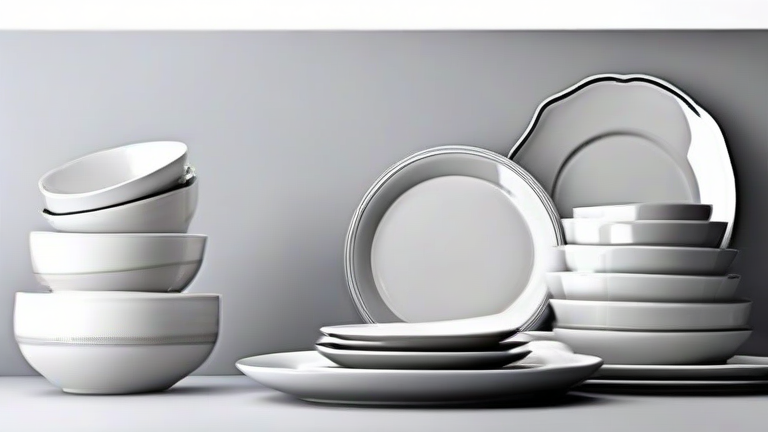
TL;DR: The premium porcelain dinnerware market is driven by a shift toward sustainable, durable, and aesthetically versatile designs, with top brands like Noritake, Villeroy & Boch, and Lenox leading through innovation in bone china and eco-friendly manufacturing. To succeed, buyers should prioritize brands that offer comprehensive warranty support, stackability for efficient storage, and distinct design languages that align with both modern minimalism and classic elegance, ensuring long-term value and functional durability for high-end dining experiences.
Market Analysis: The Rise of Premium Porcelain
The global fine china market is experiencing a robust resurgence, fueled by the growing popularity of at-home dining and the “slow living” movement. Unlike standard ceramic tableware, premium porcelain and bone china command higher price points due to their superior translucency, strength, and thermal shock resistance. Recent industry data indicates a year-over-year growth in the luxury segment, as consumers increasingly view tableware not merely as a utility but as a cornerstone of home aesthetic identity. The market is bifurcating into two distinct streams: heritage brands that leverage centuries of craftsmanship and contemporary design houses that focus on sleek, minimalist forms. This shift is also influenced by sustainability concerns; modern premium porcelain is increasingly produced with closed-loop water systems and lower-temperature kilns, reducing the carbon footprint associated with high-fire ceramics. Furthermore, the rise of e-commerce has democratized access to luxury tableware, allowing consumers to curate sophisticated dining sets without the overhead costs of brick-and-mortar luxury retailers. This digital accessibility has intensified competition, forcing established players to refine their value propositions beyond just product quality, extending into brand storytelling and customer experience.
If you want to dig deeper, check out our guide on Trending Porcelain Dinnerware Styles to Elevate Your Table.
Strategy Insights: Differentiation in a Saturated Market
For brands to thrive, strategic differentiation is paramount. The top performers are not just selling plates; they are selling a lifestyle narrative. One key strategy is the integration of mixed-material sets, combining porcelain with high-grade stainless steel or bamboo elements to appeal to eco-conscious buyers. Another critical insight is the emphasis on “stackability” and “storage efficiency.” In an era of smaller urban living spaces, brands that design dinnerware with precise rim engineering to allow for tight stacking without scratching provide a tangible functional benefit that justifies the premium price. Additionally, limited-edition collaborations with renowned artists or interior designers create exclusivity, driving scarcity-driven purchasing behavior. Marketing strategies must also pivot toward content marketing, showcasing the product in real-life dining scenarios rather than static product shots. This approach helps potential buyers visualize the item in their own homes, reducing return rates and increasing customer confidence. Brands that invest in robust after-sales service, including dedicated repair programs for chipped items, build long-term loyalty that outlasts one-time sales peaks.
Case Studies: Lessons from the Leaders
Examining the success of Noritake and Villeroy & Boch reveals distinct but complementary strategies. Noritake, a Japanese giant, has successfully positioned itself as the epitome of precision and elegance. Their “Yoshino” line targets the ultra-luxury segment, emphasizing the purity of the white bone china. Their strategy relies heavily on heritage, highlighting the centuries-old firing techniques that ensure the material’s durability and luster. Conversely, Villeroy & Boch, a German brand, has excelled by bridging the gap between heritage and modern design. Their “Alba” collection is a prime example, featuring bold, contemporary shapes that appeal to younger, design-savvy consumers while maintaining the brand’s reputation for quality. Villeroy & Boch’s success is also attributed to their aggressive digital engagement, using virtual showrooms to allow customers to mix and match pieces virtually. This case study demonstrates that while craftsmanship is the baseline, the ability to adapt design language to current trends is what drives market share. Both brands illustrate that premium positioning requires a consistent message of quality, but the delivery mechanism—whether through heritage storytelling or modern design innovation—must align with the target demographic’s values and aesthetic preferences.
FAQ
Q: Is bone china better than regular porcelain?
A: Bone china is generally considered superior due to its higher calcium content, which makes it more durable, lighter, and more translucent than
Leave a Reply