TL;DR: Properly care for porcelain dinnerware by washing it gently with warm water and mild soap, avoiding sudden temperature shocks that cause cracking. Style your table by mixing neutral bases with accent pieces to create a sophisticated, layered look that enhances any dining experience.
Essential Care Instructions
Porcelain is a durable material, but it requires specific handling to maintain its pristine appearance and structural integrity over time. Begin by inspecting your plates for any hairline cracks or chips, as these can worsen with use and compromise the integrity of the piece. When washing, hand washing is always the safest method for fine porcelain, though many modern pieces are labeled as dishwasher safe. If you choose to use a dishwasher, place the items securely to prevent them from clinking against one another, which can cause chipping over time. Use a mild, non-abrasive detergent and warm water. Avoid using steel wool or harsh scouring pads, as these will scratch the glaze and dull the shine. Dry each piece immediately with a soft, lint-free towel to prevent water spots from forming. This quick drying step is crucial because hard water minerals can leave permanent marks on the glossy surface if left to air dry slowly.
If you want to dig deeper, check out our guide on Premium Porcelain Dinnerware: Top Brands & Buying Guide.
Styling Your Table with Porcelain
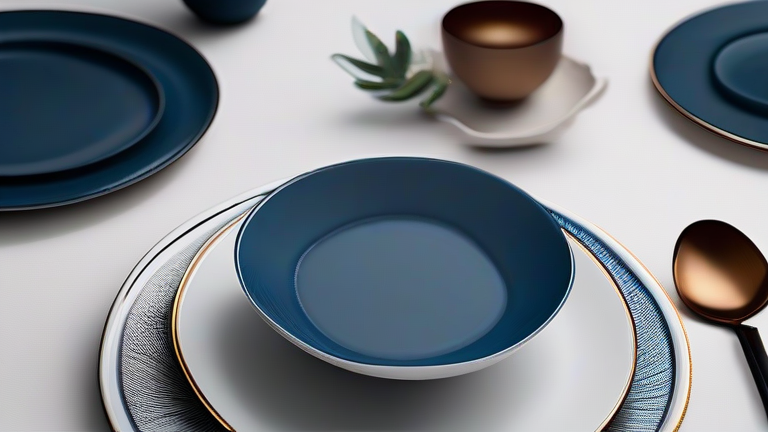
Styling with porcelain allows for endless creativity due to the material’s versatility and elegance. Start with a neutral base, such as white or cream-colored plates, which provide a clean canvas for your food and table setting. Introduce color through accent pieces like side plates, bowls, or serving platters. You can mix patterns and colors, but ensure there is a common element, such as a matching rim color or a complementary shade, to tie the look together. For a modern aesthetic, consider using a matte-finished porcelain set paired with metallic cutlery and simple, minimalist centerpieces. If you prefer a traditional vibe, opt for floral patterns or gold-rimmed pieces, paired with linen napkins and crystal glassware. The key is balance; do not overcrowd the table. Leave enough negative space to allow the beauty of the porcelain to shine. Additionally, consider the height of your plates. Stack smaller plates on top of larger ones to create visual interest and depth without cluttering the surface. This layering technique adds sophistication and makes the table setting feel curated and intentional.
Expert Tips for Longevity
To ensure your porcelain collection lasts for generations, follow these expert tips. First, avoid thermal shock. Never place a cold plate directly from the refrigerator into a hot oven or under a hot tap of water. This sudden temperature change can cause the ceramic to expand or contract too rapidly, leading to cracks. If you need to warm a plate, do so gradually in a low-temperature oven. Second, store your plates vertically in a dish rack with dividers or use felt pads between horizontal stacks to prevent scratching. If you do stack them horizontally, place a soft cloth between each plate. Third, address stains immediately. Porcelain is non-porous, but stubborn stains from turmeric, beets, or coffee can set in if left alone. Use a paste of baking soda and water, apply it to the stain, and let it sit for a few minutes before gently scrubbing with a soft sponge. Finally, when transporting your dinnerware, wrap each piece in bubble wrap or soft packaging. Porcelain is strong, but it is still brittle and susceptible to impact damage. By following these careful practices, you can enjoy your beautiful porcelain dinnerware for many years to come.
FAQ
Q: Can I microwave porcelain plates?
A: Yes, most plain porcelain plates are microwave-safe, but avoid pieces with metallic paint or gold rims as they can spark and cause damage.
Q: How do I remove a ring stain from porcelain?
A: Create a paste with baking soda and water, apply it to the stain, let it sit for ten minutes, then gently scrub with a soft sponge and rinse thoroughly.
Q: Is porcelain heavier than stoneware?
A: Porcelain is typically thinner and lighter than stoneware, making it easier
Leave a Reply