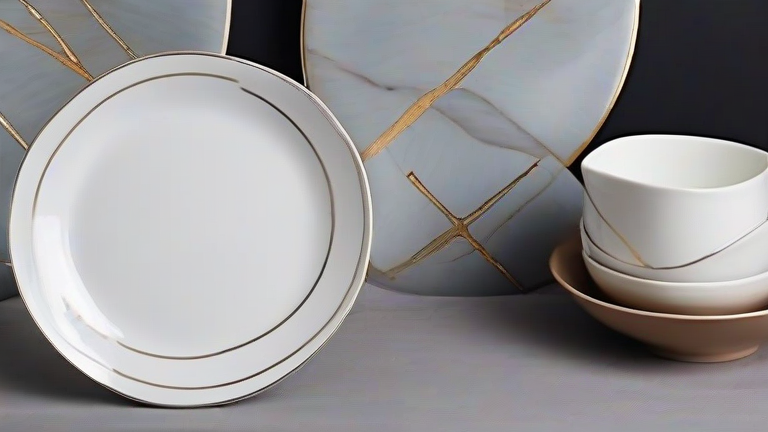
Why Porcelain Dinnerware Is the Healthiest Choice for Your Table
TL;DR: Porcelain offers superior thermal stability and chemical inertness, preventing harmful leaching of heavy metals or toxins into your food during heating or cooling cycles. Its non-porous, glazed surface is inherently resistant to bacterial growth, making it the most hygienic and durable option for daily household use.
In the realm of home health, the materials we eat from are often overlooked in favor of nutritional content. However, science suggests that the vessel itself can impact food safety and longevity. Porcelain, specifically fine china, stands out as the gold standard for wellness-conscious consumers. Unlike reactive metals or certain plastics, high-quality porcelain is fired at extremely high temperatures, resulting in a dense, vitrified body that does not absorb liquids, odors, or flavors. This density is the key to its hygiene profile. Studies indicate that porous materials, such as unglazed stoneware or low-fire ceramics, can harbor microorganisms in microscopic crevices that are difficult to sanitize thoroughly. Porcelain’s smooth, glass-like finish eliminates these hiding spots, significantly reducing the risk of bacterial cross-contamination. This makes it an ideal choice for households with compromised immune systems or young children, where hygiene is paramount.
If you want to dig deeper, check out our guide on Top 10 Porcelain Dinnerware Sets: Best Styles for Every Tabl.
The Science of Inertness
One of the primary concerns with modern dinnerware is the migration of chemicals. Many cheaper ceramic options may contain lead or cadmium in their glazes, which can leach into acidic foods like tomato sauce or citrus-based marinades. Regulatory standards for porcelain are stringent, and reputable manufacturers test extensively to ensure their products are lead-free and cadmium-free. Furthermore, porcelain is chemically inert. It does not react with acidic or alkaline foods, meaning your meal retains its original nutritional integrity and flavor profile without the risk of metallic aftertastes or chemical contamination. This inertness also means that porcelain does not require the use of harsh, chemical-laden detergents to clean, as it does not trap grease or food particles. A simple wash with mild soap and warm water is sufficient to restore its sanitary state, reducing your household’s exposure to potentially harmful cleaning agents.
Lifestyle Tips for Maintenance
To maximize the health benefits of your porcelain collection, proper maintenance is essential. While porcelain is durable, it is not indestructible. Avoid placing hot dishes directly onto cold porcelain, as thermal shock can cause micro-cracks that compromise the glaze and create potential entry points for bacteria. Hand washing is generally recommended to preserve the glaze, though modern, high-quality porcelain is often dishwasher safe. If you choose to use a dishwasher, select a gentle cycle and avoid high-heat drying settings to prevent thermal stress. Inspect your plates regularly for chips or cracks. If the glaze is broken, the porous clay underneath becomes exposed, negating the hygiene benefits and potentially introducing trace minerals into your food. Replace any damaged pieces immediately. By prioritizing porcelain, you are investing in a long-term health strategy that supports both immediate food safety and long-term environmental sustainability, as its longevity reduces the need for frequent replacement and associated waste.
FAQ
Q: Is porcelain safe for microwave use?
A: Yes, pure white porcelain without metallic accents is generally microwave safe. However, always check the manufacturer’s guidelines, as decorative elements may contain metal that can spark in microwave radiation.
Q: How do I know if my porcelain is lead-free?
A: Look for certifications from reputable organizations like the FDA or EU standards. Reputable brands explicitly state that their products are lead-free and cadmium-free. Avoid buying unmarked vintage or imported ceramics from unknown sources, as older glazes may contain heavy metals.
Q: Can I use abrasive scrubbers on porcelain?
A: It is best to avoid abrasive scrubbers as they can dull the glaze over time, making the surface less smooth and more prone to trapping stains. Use soft sponges or cloths to maintain the integrity of the protective glaze layer.
Leave a Reply