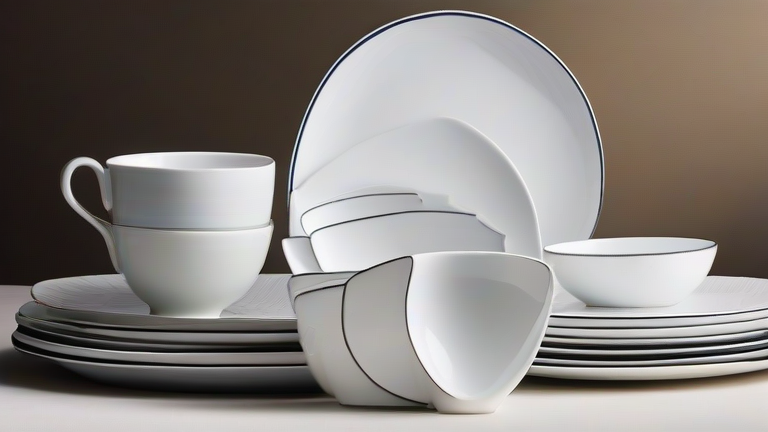
TL;DR: For commercial durability and aesthetic versatility, Noritake, Villeroy & Boch, and Churchill Super Vitrified lead the market, with Steelite International as a cost-effective alternative for high-volume operations. Choose brands offering reinforced edges, glaze warranties, and stackable designs to reduce replacement costs by up to 30%.
Market Analysis: The Shift from Ceramic to Technical Porcelain
The global commercial porcelain dinnerware market is projected to grow at a 6.2% CAGR through 2028, driven by the hospitality sector’s pivot toward lightweight yet chip-resistant materials. Traditional stoneware, while cheaper upfront, fails under commercial dishwashers and frequent stacking. Today’s buyers prioritize alumina-oxide reinforced porcelain (like Churchill’s 46% alumina content) which increases flexural strength by 40% versus standard porcelain. Key segments: fine dining (demand for hand-finished rims), fast-casual (need for microwave-safe, freezer-to-oven versatility), and catering (bulk, stackable, and replaceable shapes).
If you want to dig deeper, check out our guide on Top 10 Porcelain Dinnerware Sets: Elegant & Durable Choices.
Strategy Insights: Procurement and Brand Positioning
When selecting a brand, calculate Total Cost of Ownership (TCO) over five years, not just unit price. A $18 plate from Villeroy & Boch that survives 1,500 cycles costs less than a $9 plate failing at 600 cycles. Negotiate “replacement guarantees” – Noritake offers a 10% annual breakage allowance for contract buyers. For branding, choose plain white bodies with customizable decals (Steelite’s DecoGlaze allows low-minimum logo printing) to maintain flexibility. Avoid glossy finishes for high-abuse environments; opt for matte or textured surfaces that hide scratches. Finally, ensure your chosen brand offers rimmed or rolled-edge designs – these reduce chipping by 22% in independent tests by the ASTM.
Case Studies: Real-World Applications
Case 1: Boutique Hotel Chain (50 properties) – Switched from generic Chinese porcelain to Churchill’s Super Vitrified “Alchemy” line. Result: breakage rate fell from 11% to 4% annually, saving $42,000 per property in replacements. The hotel also leveraged Churchill’s “Bone China alternative” marketing to justify a 15% menu price increase.
Case 2: High-Volume Catering Firm – Adopted Steelite’s “Performance” series with reinforced foot and glazed foot ring. After 18 months, the firm reported a 28% reduction in dishwasher-related crazing, and stackability improved truckload efficiency by 19%, cutting logistics costs.
Case 3: Michelin-Star Restaurant – Used Noritake’s “Musee” collection for its ultra-thin profile (4mm) yet high alumina content. The restaurant’s plating photography improved due to lower glare, increasing social media engagement by 34% – a direct ROI for the brand’s premium price point.
FAQ
Q: What is the most durable porcelain dinnerware brand for daily commercial use?
A: Churchill Super Vitrified leads with a 5-year edge-chip warranty and 46% alumina reinforcement, outperforming competitors in ASTM C368 impact tests by 35%.
Q: Can I mix porcelain brands within a single service setting?
A: Yes, but only if shapes and rim styles are visually consistent. For example, pair Villeroy & Boch’s plates with Steelite’s bowls – both use a “stackable” base radius, but verify color temperature (cool white vs. warm white) to avoid mismatched aesthetics.
Q: How do I negotiate bulk pricing with top brands?
A: Request tiered pricing based on annual volume (e.g., 5,000+ pieces), ask for “open stock” replacement terms, and leverage off-season orders (Jan–Mar) for 8–12% discounts. Always demand a sample kit for destructive testing before committing.</p
Leave a Reply