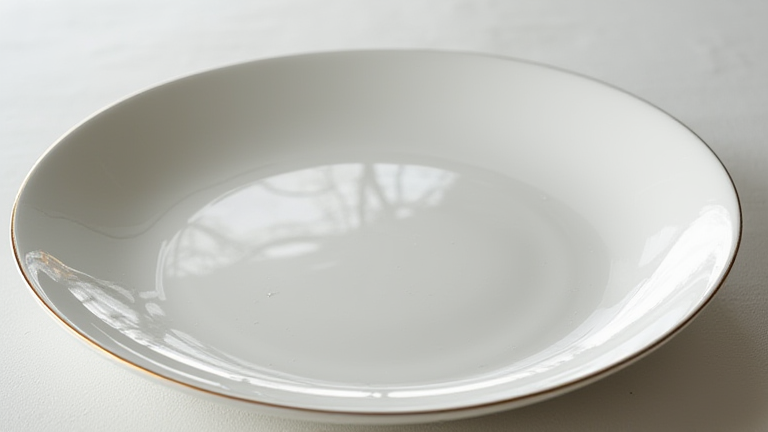
Tech in Porcelain: How Innovation Is Shaping Modern Dinnerware
TL;DR: Modern porcelain dinnerware is being transformed by advanced kiln automation and nano-ceramic reinforcements that significantly enhance durability and thermal shock resistance. These technological shifts allow for mass-produced pieces that rival handcrafted quality while meeting rigorous industrial standards for heat retention and chemical safety.
The intersection of traditional ceramics and high-precision engineering has created a new era in the tableware industry. For centuries, porcelain was defined by its translucency, strength, and the skilled hands of the artisan. Today, however, the definition is expanding to include digital precision, automated quality control, and material science breakthroughs. Manufacturers are no longer just shaping clay; they are programming kilns and engineering molecular structures to create dinnerware that performs better than ever before. This shift is not about replacing the aesthetic appeal of white china, but rather about enhancing its functional capabilities through invisible technological layers.
If you want to dig deeper, check out our guide on Is Porcelain Dinnerware Safe? Health Benefits & Myths.
Automated Firing and Digital Precision
The most significant change lies in the production process. Traditional kilns relied on the intuition of the master potter to monitor temperature and atmosphere. Modern facilities utilize computerized kilns that can maintain temperature fluctuations within a margin of error of just one degree Celsius. This precision is critical for achieving the correct vitrification process, where the clay becomes glass-like and non-porous. By using real-time data analytics, manufacturers can adjust gas flow and electric heating elements dynamically. This ensures that every plate in a batch of ten thousand has identical structural integrity. The result is a product with fewer micro-cracks and a smoother surface finish, reducing the likelihood of chipping during daily use. Furthermore, digital printing technologies now allow for intricate designs to be applied directly onto the glaze surface. These digital inks are fused into the porcelain during the final firing, creating patterns that are not just painted on but become part of the material itself. This eliminates the risk of design wear and tear, ensuring that a dinner set remains visually pristine for decades.
Nano-Ceramic Reinforcements and Material Science
Beyond the manufacturing process, the raw materials themselves are undergoing a revolution. The incorporation of nano-ceramic particles into the porcelain slip is a recent development that has gained traction in high-end production lines. These microscopic additives strengthen the crystal lattice of the ceramic, making the final product more resistant to thermal shock. Traditional porcelain can crack if moved from a freezing freezer to a boiling oven. Nano-reinforced variants can withstand these extreme temperature changes without failure. This is achieved by altering the coefficient of thermal expansion at the molecular level. Additionally, new glaze formulations are being developed to be more eco-friendly and safe for long-term food contact. These glazes are free from lead and cadmium, meeting the strictest international safety standards. They are also designed to be more resistant to staining from acidic foods like tomato sauce or red wine. The chemistry of the glaze is tuned to repel organic compounds, making the dinnerware easier to clean and maintain its original white brilliance over time. This focus on material longevity is driving consumer preference toward these technologically advanced options.
Industry Impact and Market Trends
The integration of technology into porcelain production is having a profound impact on the global market. Large-scale manufacturers are able to reduce waste by predicting failure points in the drying process using sensors. This predictive maintenance reduces the number of broken pieces, lowering production costs and environmental impact. The reduction in waste is a key selling point for environmentally conscious consumers. Moreover, the consistency of automated production allows for greater customization without the premium cost associated with handcrafting. Consumers can now order personalized dinnerware with high-speed precision, featuring their own monograms or designs, without sacrificing durability. This democratization of high-quality porcelain is reshaping the dining experience. It is no longer just a luxury item for special occasions but a durable, everyday essential that combines beauty with high-performance engineering. As these technologies continue to mature, we can expect even more innovations, such as self-cleaning surfaces and embedded sensors that track usage patterns. The future of dinnerware is not just about what it looks like, but how it performs under the invisible force of modern technology.
FAQ
<p
Leave a Reply