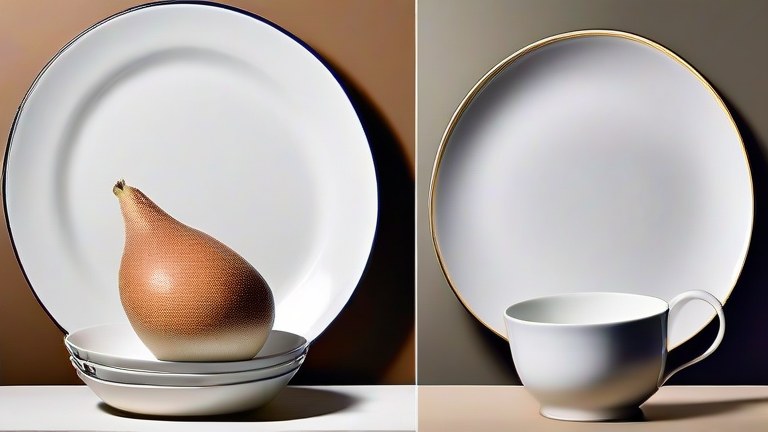
Tech-Forward Porcelain: How Smart Dinnerware Changes Dining
TL;DR: Smart porcelain dinnerware integrates advanced sensors and haptic feedback directly into ceramic structures to monitor food temperature and composition in real-time. This innovation transforms passive dining into an interactive experience, enhancing safety, nutritional awareness, and culinary precision for modern consumers.
The integration of IoT technology into traditional ceramics has reached a new milestone with the emergence of tech-forward porcelain. Unlike previous attempts at smart plates that relied on external clamps or bulky electronics, the latest developments embed flexible micro-sensors within the porcelain matrix itself. These devices maintain the aesthetic purity and durability of fine china while adding a layer of digital intelligence. By using transparent conductive inks printed during the firing process, manufacturers have solved the longstanding challenge of integrating electronics without compromising the material’s thermal shock resistance or visual appeal.
If you want to dig deeper, check out our guide on Premium Porcelain Dinnerware: Top Brands & Buying Guide.
Latest Developments and Specifications
Recent prototypes feature a multi-layered sensor array capable of detecting temperature fluctuations down to 0.1 degrees Celsius. This precision allows the dinnerware to alert users if hot soup becomes too cold or if pasta water is ready, significantly reducing the risk of burns and improving food preparation timing. Furthermore, advanced spectral analysis sensors can identify basic macronutrient profiles, providing immediate dietary feedback through a companion smartphone app. The hardware is powered by energy-harvesting nanogenerators that convert the heat from the food into electrical energy, eliminating the need for batteries or charging ports. This self-sustaining power source ensures the product remains sleek and maintenance-free, adhering to strict food-grade safety standards while offering wireless connectivity via low-energy Bluetooth 5.3.
Industry Impact and Future Outlook
The introduction of smart porcelain is reshaping the luxury home goods sector. Major porcelain manufacturers are collaborating with tech firms to create exclusive smart tableware lines, targeting health-conscious demographics and high-end hospitality venues. This convergence is driving increased R&D investment in materials science, particularly in developing conductive glazes that are both durable and invisible to the naked eye. For the hospitality industry, this technology offers unprecedented data on customer dining habits, enabling personalized service experiences and optimized kitchen operations. As costs decrease and sensor accuracy improves, these smart plates are expected to move from niche luxury items to mainstream kitchen essentials, fundamentally altering how we interact with our meals by blending the timeless elegance of porcelain with the immediacy of digital intelligence.
FAQ
Q: Are smart porcelain plates safe for microwave use?
A: Yes, the embedded sensors are designed to be microwave-safe, utilizing non-conductive materials that do not interfere with heating processes or pose a risk to the user.
Q: How is the data from the plate transmitted to my phone?
A: The device uses low-energy Bluetooth to sync with a dedicated mobile app, which displays real-time temperature and nutritional data without requiring a constant internet connection.
Q: Can the electronics be replaced if they fail?
A: Current models are designed for longevity, but manufacturers are developing modular sensor strips that can be swapped out, ensuring the valuable porcelain base remains usable long after the tech component reaches its end-of-life.
Leave a Reply