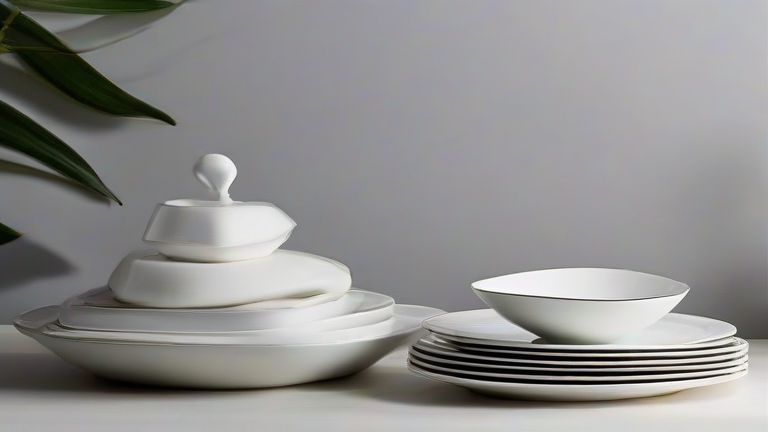
TL;DR: Smart dinnerware integrates NFC and RFID chips into traditional porcelain to track dining habits and authenticate authenticity. These innovations are transforming porcelain from static tableware into interactive data hubs for luxury hospitality and consumer markets.
The Rise of Intelligent Porcelain
The intersection of ceramics and embedded electronics has accelerated rapidly, creating a new category of smart dinnerware. Manufacturers are now embedding microchips directly into the clay body or glaze of porcelain plates and bowls. This technology allows each piece to communicate with smartphones and dedicated kitchen systems without external sensors. The primary driver is the desire for enhanced user experience in high-end dining and personalized home environments. Porcelain remains the preferred material due to its high thermal resistance and structural integrity, which protect delicate electronic components during washing and heating.
If you want to dig deeper, check out our guide on Smart Porcelain: 7 Tech Innovations Changing Dinnerware.
Technical Specifications and Integration
Modern smart porcelain typically utilizes Near Field Communication (NFC) or Radio Frequency Identification (RFID) chips. These chips are encapsulated in biocompatible resin to ensure they survive industrial dishwasher cycles. Recent developments include flexible antenna designs that conform to the curvature of bowls and plates. The chips store unique identifiers and can transmit data such as origin, material composition, and care instructions. Some advanced models integrate temperature sensors that monitor food safety and serving conditions. The power source is often passive, drawing energy from the scanning device, which ensures the plates remain safe for long-term use. Connectivity is achieved via Bluetooth Low Energy for continuous monitoring in professional kitchens. The integration process requires precise kiln firing techniques to prevent chip damage while maintaining the aesthetic purity of the porcelain glaze.
Industry Impact and Applications
The impact on the hospitality industry is profound. Luxury hotels use smart porcelain to verify the authenticity of their collections and track inventory in real-time. This reduces loss and enhances the narrative behind each dining experience. For consumers, smart dinnerware offers a bridge between physical objects and digital profiles. Users can scan their plates to access recipe suggestions or nutritional information linked to specific dishes. The retail sector benefits from anti-counterfeiting measures, as each piece has a verifiable digital identity. This is crucial for high-value artisanal porcelain brands. Furthermore, sustainability initiatives are supported by tracking the lifecycle of each item, encouraging repair over replacement. The market is projected to grow as costs decrease and consumer adoption increases. Brands are collaborating with tech firms to create ecosystems where dinnerware becomes part of a broader smart home network. This shift challenges traditional ceramic manufacturers to adopt new manufacturing standards and software interfaces.
FAQ
Q: Are smart porcelain plates safe for food contact?
A: Yes, the electronic components are fully encapsulated in food-safe, biocompatible resins that prevent any leaching into food or exposure to heat and moisture.
Q: Can smart dinnerware be washed in a standard dishwasher?
A: Most modern designs are dishwasher-safe, as the embedded chips are protected by robust ceramic glazes and resistant to high-temperature water jets and detergents.
Q: What is the primary benefit for high-end restaurants?
A: It enables precise inventory tracking and authenticity verification, reducing theft and enhancing the storytelling aspect of the dining experience for guests.
Leave a Reply