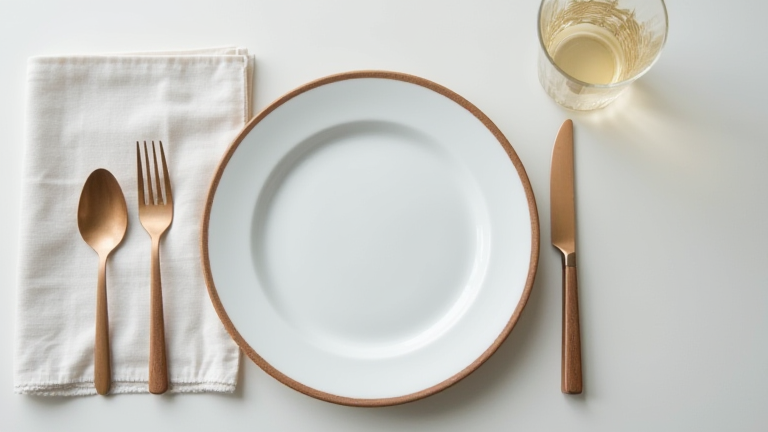
TL;DR: Porcelain dinnerware is a highly safe and non-toxic option for daily use, provided it is lead-free and properly glazed. Choosing high-quality, certified porcelain ensures that no harmful metals leach into your food, supporting long-term digestive health.
The Science of Porcelain Safety
Porcelain is a type of ceramic that is fired at extremely high temperatures, often exceeding 1,200 degrees Celsius. This intense heat process vitrifies the clay, creating a dense, glass-like surface that is impervious to liquids. Unlike lower-quality earthenware, which may require lead-based glazes to achieve a shiny finish, high-quality porcelain is naturally non-porous. This structural integrity means that the material does not absorb bacteria, odors, or moisture, making it inherently hygienic. When evaluating safety, the primary concern is the presence of heavy metals such as lead and cadmium in the glaze. Modern, reputable porcelain manufacturers use reactive-free glazes that are chemically stable. According to food safety standards, if a porcelain plate is labeled as “lead-free” and “cadmium-free,” it is considered safe for daily contact with acidic foods like tomatoes or citrus, which are most likely to trigger leaching in unstable ceramics.
If you want to dig deeper, check out our guide on Why Solid Wood Furniture Is Beating Particleboard in Resale .
Lifestyle Tips for Healthy Habits
Integrating safe dining habits into your lifestyle begins with proper maintenance. To preserve the integrity of your porcelain plates, avoid sudden temperature shocks, such as placing a hot plate directly into a cold sink. This thermal shock can cause micro-cracks in the glaze, potentially compromising its safety over time. Always inspect your dinnerware for chips or scratches. If the glaze is chipped, the underlying clay is exposed, which can harbor bacteria and may contain unglazed materials that are not food-safe. In such cases, replace the item immediately rather than attempting to repair it with consumer-grade adhesives. Additionally, while porcelain is generally dishwasher safe, hand washing is gentler on the finish over many years of use. Use non-abrasive sponges to prevent scratching the surface, as scratches can trap food particles and become breeding grounds for microbes. Storing plates vertically in a cabinet rather than stacking them heavily can also prevent accidental chipping, ensuring your dinnerware remains in optimal condition for years.
Choosing the Right Dinnerware
When shopping for new porcelain dinnerware, look for specific certifications and labels. Reputable brands will explicitly state that their products are compliant with FDA or EU regulations regarding heavy metal content. “Bone china” is a premium form of porcelain that is also safe, provided it is manufactured with modern, lead-free glazes. Avoid buying unbranded or extremely cheap ceramic sets from unknown sources, as these may not undergo rigorous testing for chemical leaching. Investing in a higher-quality set not only ensures aesthetic longevity but, more importantly, guarantees that you are not ingesting trace amounts of toxic metals with every meal. Your choice of tableware is a subtle but significant aspect of your overall health routine, influencing the purity of the food you consume daily.
FAQ
Q: Is porcelain safe for microwaving food?
A: Yes, pure porcelain is generally microwave-safe because it is non-porous and does not contain metals in the base clay, but you should avoid pieces with metallic accents or gold trim.
Q: Can old porcelain plates be toxic?
A: Older plates, particularly those from before the 1970s, may contain lead glazes; if you are unsure of the origin, avoid using them for food, especially acidic or hot items.
Q: How do I know if my plates are lead-free?
A: Look for explicit labeling on the packaging or manufacturer’s website stating compliance with FDA or California Proposition 65 standards, which mandate lead-free glazes for food-contact surfaces.
Leave a Reply