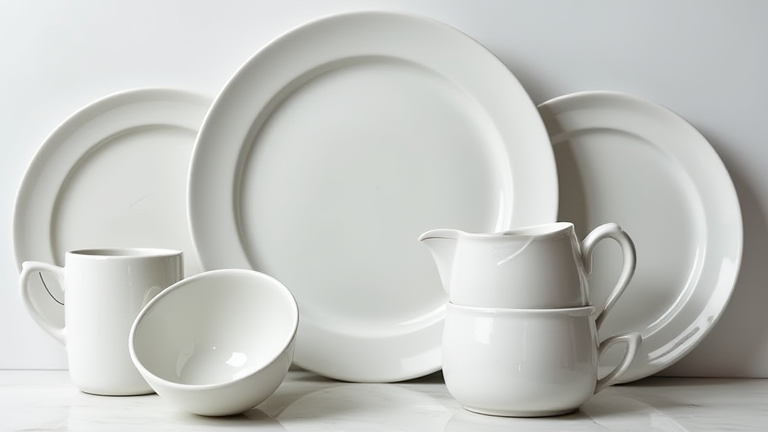
TL;DR: Porcelain dinnerware is generally considered safe and healthy for daily use because it is fired at extremely high temperatures, which creates a non-porous, chemically stable surface that does not leach harmful substances into food. To ensure maximum safety, choose lead-free, food-grade porcelain and avoid using chipped or cracked pieces for eating hot or acidic foods.
The Science of Porcelain Composition
Porcelain is distinct from other ceramic materials due to its specific composition and manufacturing process. It is primarily made from kaolin clay, quartz, and feldspar. These materials are blended into a slurry, shaped into forms, and then fired in a kiln at temperatures exceeding 1,200 degrees Celsius. This extreme heat causes a process called vitrification, where the particles fuse together to create a dense, glass-like structure. Unlike lower-fired earthenware or stoneware, vitrified porcelain has virtually zero porosity. This means that water, food liquids, and bacteria cannot penetrate the surface, making it inherently hygienic and resistant to staining. From a chemical standpoint, high-quality porcelain is inert. It does not react with acidic foods like tomato sauce or citrus-based dressings, ensuring that no unwanted metals or compounds migrate into your meals.
If you want to dig deeper, check out our guide on Elevate Your Table: 10 Chic Porcelain Dinnerware Tips.
Addressing Lead and Cadmium Concerns
The primary health concern associated with ceramic dinnerware is the potential presence of lead or cadmium, often used in decorative glazes. Lead is a toxic heavy metal that can cause neurological and developmental issues, particularly in children. However, modern regulations in the United States, European Union, and many other countries strictly limit the amount of leachable lead and cadmium in food-contact ceramics. Reputable manufacturers use lead-free, reactive glazes that are tested to ensure compliance with safety standards. When shopping for porcelain, look for labels that explicitly state “lead-free” or “cadmium-free.” Additionally, avoid decorative patterns on the interior of plates or bowls, as these are the most common sources of heavy metal contamination. Stick to plain or exterior-only designs for the safest dining experience.
Daily Care and Maintenance Tips
While porcelain is durable, proper care is essential to maintain its integrity and safety. Always inspect your dishes before use. If you notice chips or cracks, discard the item immediately. Cracks can harbor bacteria and increase the surface area exposed to food, potentially allowing any trace contaminants in the glaze to leach more readily. Avoid using abrasive scouring pads that can scratch the glaze, as scratches can also become breeding grounds for microbes. Although most modern porcelain is dishwasher-safe, hand washing can extend the life of the glaze and prevent the risk of thermal shock if moving from a very cold fridge directly into a hot dishwasher. Store plates vertically or with soft dividers to prevent them from chipping against each other.
Lifestyle Integration
Incorporating porcelain into your daily routine is not just about safety but also about wellness and mindfulness. The weight and thermal properties of porcelain help keep food at the desired temperature longer than plastic or thin ceramic. This encourages slower, more mindful eating, as the dish retains heat, allowing you to savor your meal without the food cooling down rapidly. Furthermore, the aesthetic quality of porcelain can elevate the dining experience, reducing stress and promoting a more relaxed atmosphere during meals. By choosing high-quality, safe materials, you support both your physical health and your mental well-being.
FAQ
Q: Is porcelain safe for microwave use?
A: Yes, pure white or glazed porcelain without metallic accents is generally microwave-safe. However, always check the manufacturer’s guidelines, as some decorative pieces may contain elements that can spark or overheat in a microwave.
Q: Can I use porcelain for storing leftovers in the refrigerator?
A: Yes, porcelain is non-porous and does not absorb odors or flavors, making it an excellent choice for storing leftovers. Just ensure the dish is properly covered to prevent drying out, as porcelain does not create an airtight seal like plastic containers.
Q: How can I tell if my
Leave a Reply