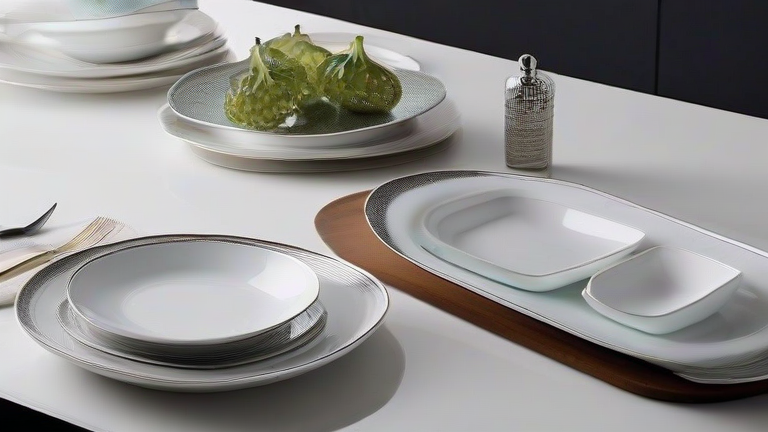
Porcelain Dinnerware Care: Ultimate Cleaning & Restoration Guide
TL;DR: To maintain pristine porcelain, wash gently with warm water and mild dish soap using a soft sponge, avoiding abrasive scrubbers that cause micro-scratches. For deep stains or chipped glaze, apply specific restoration techniques such as baking soda pastes for discoloration or professional glaze repair for structural damage to extend the lifespan of your fine china.
Porcelain dinnerware is an investment in elegance and durability, but it requires specific care to retain its glossy finish and structural integrity over time. Unlike standard stoneware, porcelain is highly vitrified, making it non-porous and resistant to stains, yet its surface can still be compromised by improper cleaning methods. This guide provides a comprehensive approach to daily maintenance and advanced restoration techniques to keep your collection looking factory-fresh.
If you want to dig deeper, check out our guide on Porcelain Dinnerware Care: 7 Easy Steps to Keep It Spotless.
Daily Maintenance and Washing Protocols
The foundation of porcelain care lies in consistent, gentle cleaning. While many modern porcelain sets are dishwasher-safe, hand washing is often recommended for older pieces or those with delicate gold or silver rims. Gold-plated items, in particular, should never go through a dishwasher, as the high heat and acidic detergents can strip the metallic finish within a few cycles. Always wash these pieces by hand with lukewarm water and a pH-neutral detergent.
Use a soft, non-abrasive sponge or a dedicated microfiber cloth for scrubbing. Never use steel wool, stiff bristle brushes, or harsh scouring pads, as these materials create microscopic scratches on the glaze. These scratches not only dull the appearance but also create tiny pits where grease and food particles can accumulate, making future cleaning more difficult. When drying, pat the pieces dry with a soft towel rather than air drying on a rack, which can lead to water spots if your water supply is hard.
Restoring Stains and Minor Damage
Despite porcelain’s non-porous nature, stubborn stains can sometimes develop from prolonged contact with certain foods like tomato sauce, turmeric, or red wine. To remove these, create a paste using baking soda and a small amount of water. Apply the paste to the stained area, let it sit for twenty to thirty minutes, and then gently buff the area with a soft cloth. The mild abrasive nature of the baking soda helps lift the stain without damaging the glaze. For tea or coffee stains, a diluted vinegar solution can be effective; soak the affected piece in the solution for an hour before rinsing thoroughly.
Chips and cracks pose a more significant challenge. Small chips on the rim can sometimes be smoothed out with a ceramic polishing compound, but this is a delicate process that requires patience. For deeper cracks or significant chip damage, professional restoration is advised. Do not attempt to glue porcelain together with standard super glue, as this adhesive is not food-safe and may not withstand thermal shock. Instead, seek out a professional ceramic restorer who can use specialized, food-safe epoxies to repair structural damage, ensuring the piece remains safe for dining.
Preventive Storage and Handling
Proper storage is crucial to preventing accidental breakage and friction damage. When stacking plates, always place a soft paper towel or felt liner between each piece to prevent them from rubbing against one another. This simple step prevents the formation of hairline cracks and keeps the glaze smooth. Avoid storing heavy items on top of lighter, more delicate porcelain pieces, as the weight can cause stress fractures over time. Additionally, store your dinnerware in a dry, cool place away from direct sunlight, which can cause fading on painted patterns or colored glazes.
By adhering to these careful cleaning practices and proactive storage strategies, you can ensure that your porcelain dinnerware remains a beautiful and functional part of your home for generations. Regular inspection for hairline cracks is also essential, as moisture can seep into these tiny fissures, leading to further deterioration. With the right care, your porcelain will continue to shine, reflecting the quality and craftsmanship of the piece itself.
FAQ
Q: Is it safe to use bleach on porcelain?</
Leave a Reply