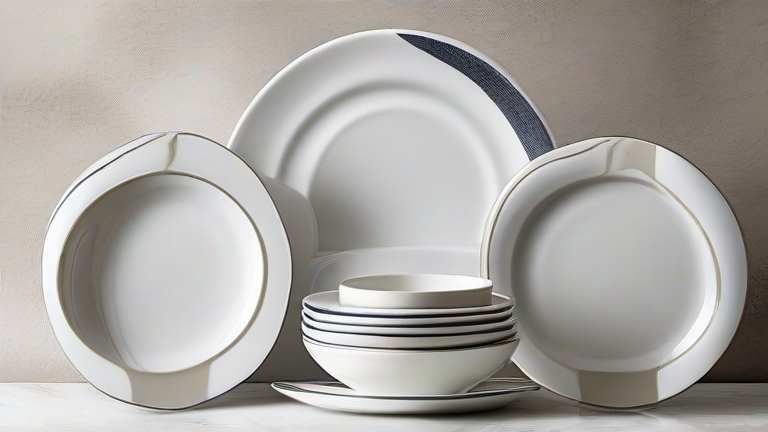
Porcelain Dinnerware Care: The Ultimate Cleaning & Restoration Guide
TL;DR: To keep porcelain dinnerware pristine, always wash it gently with warm water and mild detergent, avoiding abrasive scouring pads that can dull the glaze. For restoration, use a paste of baking soda and water to remove stains, and check for hairline cracks by submerging the piece in black coffee to detect leaks.
Porcelain is prized for its durability, elegance, and ability to retain heat, but its delicate surface requires specific care to maintain its luster over time. Unlike stoneware or earthenware, porcelain is vitrified, meaning it has been fired at extremely high temperatures, making it non-porous. However, the glaze that protects the body of the dish can still suffer from wear, staining, or minor chipping if not handled correctly. This guide provides comprehensive steps to clean, maintain, and restore your fine dining collection, ensuring your pieces remain a centerpiece for years to come.
If you want to dig deeper, check out our guide on Top 10 Ergonomic Office Chairs for Back Pain.
Daily Maintenance and Washing Techniques
The foundation of good porcelain care lies in daily habits. While modern porcelain is generally dishwasher-safe, hand washing is recommended for antique or heavily gilded pieces. Always use a soft sponge or microfiber cloth. Avoid steel wool or harsh scrubbers, as they can create micro-scratches that trap dirt and make the surface appear dull. Use a pH-neutral dish soap to prevent any potential chemical reaction with the glaze over long periods. Rinse thoroughly to remove all soap residue, which can cloud the surface. Dry immediately with a soft towel to prevent water spots, especially in hard water areas. If you do use a dishwasher, place pieces upright on the top rack to minimize contact with other utensils, which can cause chipping or scratching. Avoid the high-heat drying cycle, as rapid temperature changes can shock the ceramic and lead to thermal stress fractures.
Deep Cleaning and Stain Removal
Over time, food particles, tea, coffee, or wine can leave stubborn stains that regular washing cannot remove. For light discoloration, soak the dish in warm, soapy water for thirty minutes. For deeper stains, create a gentle abrasive paste using baking soda and water. Apply the paste to the stained area and let it sit for ten minutes. Gently rub with a soft cloth in a circular motion. The mild abrasive nature of baking soda lifts stains without damaging the glaze. For tea or coffee stains, a solution of white vinegar and water can be effective. Soak the stained area in this mixture for up to an hour. Always test any cleaning solution on an inconspicuous area first to ensure it does not affect the color or finish of the porcelain. Avoid using bleach or chlorine-based cleaners, as these can degrade the glaze and cause yellowing over time.
Restoration and Damage Control
Accidents happen, and even the most careful handling can result in chips or cracks. If you notice a small chip, you can sometimes fill it with a specialized porcelain repair epoxy. This is more for functional than aesthetic purposes and should be done discreetly. For hairline cracks, perform the “coffee test.” Fill the dish with black coffee and let it sit for a few hours. If the liquid seeps through to the other side, the crack is through the body, and the dish is no longer watertight. Such pieces should be retired from active use to prevent breakage. If you have a crack that is purely superficial, it can be stabilized with clear nail polish or a ceramic-safe sealant to prevent it from spreading. Never attempt to repair a broken piece with super glue, as it is not food-safe and may contain harmful chemicals. Always consult a professional conservator for valuable or antique pieces requiring significant restoration.
Proper storage is also crucial for preservation. Avoid stacking heavy items on top of delicate porcelain. Use felt-lined dividers or cloth napkins between plates to prevent friction. Keep your collection in a stable environment, away from extreme temperature fluctuations and direct sunlight, which can fade painted designs. By following these guidelines, you ensure that your porcelain dinnerware remains a beautiful and functional part of your household.
Leave a Reply