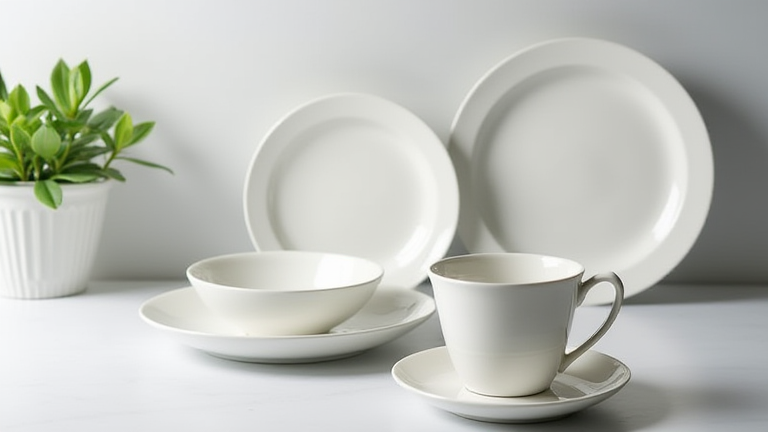
5 Tips to Boost Sales of Your Porcelain Dinnerware Brand
TL;DR: Elevate your porcelain dinnerware brand by leveraging high-definition visual storytelling and emphasizing the unique durability of your specific glaze technology. Partner with influential culinary creators to demonstrate the aesthetic and functional superiority of your pieces in real-world dining scenarios.
The global tableware market is experiencing a significant shift as consumers move away from disposable options toward sustainable, high-quality goods. Porcelain, once reserved for formal occasions, is now a staple in modern homes. However, the market is saturated with generic options, making differentiation critical for new and established brands alike. To thrive, businesses must understand that they are not just selling plates; they are selling an experience of elegance, durability, and culinary pride. This article explores five strategic tips to help your porcelain dinnerware brand stand out in a crowded marketplace.
If you want to dig deeper, check out our guide on The Rise of Mushroom Coffee: Why Consumers Are Swapping Out .
1. Master Visual Storytelling
Porcelain is inherently visual. High-resolution photography and video are non-negotiable tools for conversion. Your product pages should not just show the item but evoke a lifestyle. Use macro shots to highlight the smoothness of the glaze and the clarity of the white body. For example, a leading Scandinavian brand recently increased its online conversion rate by 20% after switching from static white-background images to lifestyle videos showing steam rising from hot soups served on their delicate bone china. This approach allows customers to imagine the product in their own kitchens, bridging the gap between digital browsing and physical ownership.
2. Emphasize Technical Superiority
While aesthetics attract buyers, technical specifications retain them. Many consumers are unaware of the differences between standard ceramic and high-fired porcelain. Educate your audience on the benefits of your specific manufacturing process, such as the firing temperature or the lead-free nature of your glazes. Highlight durability features like chip resistance and microwave safety. A case study from a mid-tier European manufacturer revealed that adding a “Durability Score” to their packaging increased repeat purchases by 15%, as customers felt more confident in investing in premium pieces for daily use rather than just special occasions.
3. Leverage Influencer Collaboration
Food influencers and interior designers are powerful allies in the dinnerware space. Instead of paying for generic ads, collaborate with creators who focus on the art of dining. Send curated sets to micro-influencers who document their morning routines or dinner parties. Their authentic endorsements can validate your brand’s quality. One boutique brand partnered with a popular baking influencer to create a “pastry plate” collection. The influencer’s detailed reviews of the plate’s thin rim and how it highlighted the texture of meringues created a viral moment, leading to a sold-out launch within forty-eight hours.
4. Curate Complete Dining Sets
Customers often struggle with matching pieces from different sources. Offering complete, coordinated sets reduces decision fatigue and increases average order value. Design collections that include varying shapes and sizes, from appetizer plates to serving platters. Ensure that the color palette is versatile enough to mix and match with other household items. By presenting a cohesive ecosystem of products, you encourage customers to buy the whole experience rather than single items, significantly boosting lifetime customer value.
5. Implement Sustainable Packaging
Environmental consciousness is a major driver for modern consumers. Porcelain is recyclable, but packaging often is not. Switch to plastic-free, biodegradable packing materials and clearly communicate this value on your website. A major retail chain reported a 10% increase in customer retention after introducing a “return and recycle” program for their packaging. This not only aligns with eco-friendly values but also creates an unboxing experience that customers are eager to share on social media, generating free organic marketing.
FAQ
Q: What is the best material for everyday porcelain?
A: Bone china is often preferred for its durability and translucency, but standard high-fired porcelain is a cost-effective and robust alternative for daily use.
Q: How should I price my porcelain dinnerware?<
Leave a Reply