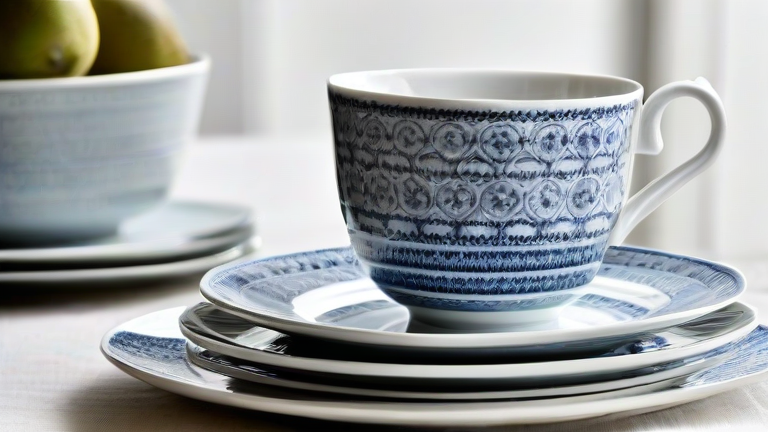
Porcelain Dinnerware Care Guide: Expert Cleaning & Maintenance
TL;DR: Hand wash porcelain dinnerware in warm soapy water with a soft sponge to prevent micro-scratches that compromise the glaze and aesthetic appeal over time. Avoid abrasive cleaners and extreme temperature shocks to maintain the structural integrity and luster of your fine tableware for decades of use.
Porcelain is prized for its strength, elegance, and resistance to staining, but it requires specific care to preserve its pristine appearance. Unlike stoneware or earthenware, porcelain is fired at much higher temperatures, making it non-porous and durable, yet it remains susceptible to chipping if mishandled. This guide provides expert-level instructions to ensure your collection remains flawless.
If you want to dig deeper, check out our guide on Top 10 Best Noise-Canceling Headphones for Open Office Work.
Step 1: Immediate Soaking and Pre-Treatment
Before washing, allow heavily soiled pieces to soak in warm water for up to fifteen minutes. This loosens dried food particles without requiring aggressive scrubbing. For stubborn stains like coffee or wine, add a small amount of dish soap directly to the water. Never use boiling water immediately after a dish has been in a cold environment, as thermal shock can cause hairline cracks. Always introduce water at a moderate, lukewarm temperature to stabilize the ceramic structure before proceeding with the cleaning process.
Step 2: Gentle Hand Washing Techniques
While most porcelain is dishwasher safe, hand washing is the gold standard for maintaining the highest quality pieces. Use a non-abrasive sponge or soft cloth; avoid steel wool or stiff brushes that can dull the glaze. Apply a mild, pH-neutral dish soap and gently wash each piece. Pay special attention to the rim and foot of the plate, where food residue often accumulates. Rinse thoroughly under a gentle stream of water to ensure no soap film remains, which can attract dust and create a hazy appearance on the glossy surface.
Step 3: Drying and Storage Protocols
After rinsing, dry each piece immediately with a lint-free microfiber towel. Air drying can sometimes leave water spots, especially if your water supply is hard. When storing, separate plates with paper towels or felt dividers to prevent them from sliding against one another. This friction is a leading cause of glaze wear and minor chips. Store your dinnerware in a closed cabinet to protect it from dust and accidental knocks, ensuring that the top shelf is reserved for the heaviest pieces to maintain stability and safety.
Expert Tips for Longevity
Never stack heavy items on top of delicate porcelain pieces. If you notice a small chip, use a ceramic repair kit to seal the edge and prevent further cracking. For gold-rimmed items, avoid the dishwasher entirely, as the alkaline detergents can strip the metallic luster over time. Hand wash these pieces with extreme care and dry them immediately to preserve the intricate detailing.
FAQ
Q: Can I use vinegar to clean porcelain?
A: Yes, diluted white vinegar is safe for removing mineral deposits, but avoid using it on gold-rimmed or hand-painted pieces as the acid can etch the design.
Q: How do I remove deep tea stains?
A: Soak the item in a paste of baking soda and water for one hour, then gently buff with a soft cloth and rinse thoroughly to restore the original white color.
Q: Is it safe to freeze porcelain dishes?
A: While porcelain is strong, freezing liquids inside the dish can cause expansion and cracking; it is best to avoid storing liquids in frozen porcelain dinnerware.
Leave a Reply