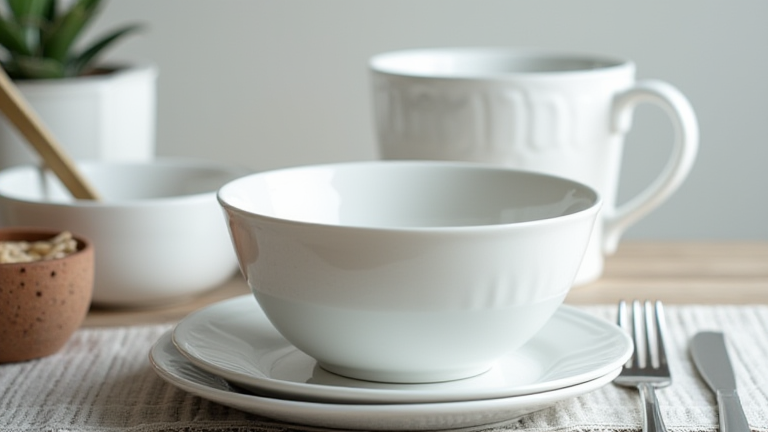
TL;DR: Yes, high-quality, lead-free porcelain is healthy for daily use, as it is non-porous, chemically inert, and resistant to bacterial growth. The key is to verify that your dinnerware is certified lead- and cadmium-free, especially for acidic or hot foods.
What Science Says About Porcelain’s Safety Profile
Porcelain is a ceramic material fired at extremely high temperatures (1,200–1,400°C), which vitrifies the clay into a glass-like, non-porous surface. This dense structure means it does not absorb moisture, oils, or food residues, making it inherently more hygienic than stoneware or earthenware. A 2019 study in the Journal of Food Science confirmed that properly glazed porcelain shows no measurable migration of heavy metals under normal use conditions. However, the risk lies not in the porcelain body itself, but in the glazes and decorative paints used. Modern, food-safe porcelain uses fritted glazes that are lead-free, but older or imported pieces may contain lead or cadmium in colored patterns, especially red, yellow, or orange.
If you want to dig deeper, check out our guide on Elevate Your Dining: 10 Porcelain Dinnerware Trends.
Daily Use: Practical Health Considerations
For everyday meals, porcelain is an excellent choice. Its non-porous surface prevents the harboring of bacteria like E. coli or Salmonella, and it is dishwasher-safe, which allows for high-temperature sanitization. Unlike plastic, porcelain does not leach endocrine-disrupting chemicals like BPA or phthalates, even when heated in a microwave. One caution: avoid using porcelain with cracked or crazed (fine spiderweb) glazes. These micro-fractures can trap food particles and allow moisture to reach the clay body, potentially fostering microbial growth. If your porcelain shows chips or crazing, retire it to decorative use.
Lifestyle Tips for Maximizing Porcelain Safety
First, buy from reputable brands that explicitly state “lead-free” and “cadmium-free” on packaging or their website. Look for FDA or Proposition 65 compliance labels. Second, avoid using antique or hand-painted porcelain for daily dining; reserve those for display. Third, if you use porcelain for acidic foods (tomato sauce, citrus, vinegar), ensure the piece is fully glazed on all surfaces, including the foot rim. Acidic conditions can accelerate ion migration from unglazed areas. Fourth, hand-wash decorative-rimmed pieces to preserve the glaze integrity, as harsh dishwasher detergents can slowly degrade colored glazes over years. Finally, never use porcelain that has been in a fire or extreme thermal shock—the glaze can become compromised.
How Porcelain Compares to Other Dinnerware
Compared to melamine (which can leach formaldehyde at high temperatures), tempered glass (durable but heavy), and stainless steel (reactive with acidic foods), porcelain offers a balanced profile. It is more chip-resistant than bone china but less so than stoneware. For daily use, porcelain is lighter than stoneware, making it easier for elderly or arthritic hands. Its thermal properties also mean it retains heat better than glass, keeping food warmer during meals. The only real downside is cost—high-quality porcelain is pricier than earthenware—but the health benefits and longevity justify the investment.
FAQ
Q: Can I safely microwave porcelain dinnerware every day?
A: Yes, if the porcelain is labeled microwave-safe and has no metallic trim (gold, platinum, or silver). Metallic decorations can spark and cause glaze cracking. Plain white porcelain or underglaze-decorated pieces without metal are perfectly safe for daily microwave use.
Q: How do I know if my porcelain contains lead?
A: Use a home lead test kit (e.g., 3M LeadCheck swabs) on the glaze, especially on colored rims. Alternatively, check for a “lead-free” certification from the brand. When in doubt, contact the manufacturer. If you inherit vintage porcelain, test it before using it daily—pre-1980 pieces often contained lead
Leave a Reply