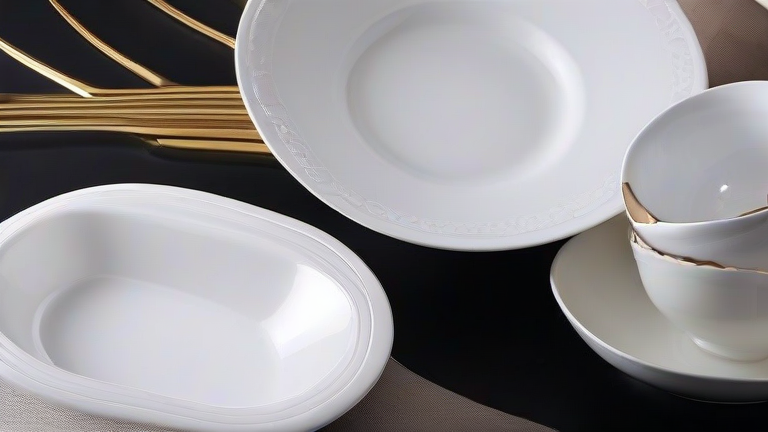
TL;DR: Clean porcelain dinnerware after each use with warm water and mild dish soap, avoiding abrasive scrubbers and sudden temperature changes. For a brilliant finish, hand-dry immediately and apply a gentle food-safe polish once a month to restore the glaze’s luster.
Porcelain Dinnerware Care: 5-Step Cleaning & Polishing Guide
Porcelain is prized for its strength and translucent beauty, but its glaze can dull or chip if mistreated. Follow this five-step routine to keep your dinner plates, bowls, and teacups looking like new for decades.
If you want to dig deeper, check out our guide on Elegant Porcelain Dinnerware: Elevate Your Home Dining.
Step 1: Pre-Rinse with Warm (Not Hot) Water
As soon as you finish eating, scrape off food residue with a silicone spatula. Rinse each piece under lukewarm running water—never boiling water, as thermal shock can cause crazing (tiny cracks in the glaze). For stubborn stains like tea or tomato sauce, soak the porcelain in a basin of warm water with a drop of dish soap for 10 minutes. Do not stack wet pieces; the weight can cause scratching.
Step 2: Hand-Wash with a Soft Sponge
Use a non-abrasive cellulose sponge or a microfiber cloth. Apply a mild, pH-neutral liquid dish soap (avoid citrus or bleach-based formulas). Wash in a circular motion, paying attention to rims and foot rings where grime hides. If you must use a dishwasher, place porcelain on the top rack with a gentle cycle and use a phosphate-free detergent—but hand-washing is always safer for hand-painted or gold-trimmed items.
Step 3: Rinse and Air-Dry Partially
Rinse thoroughly under warm water to remove all soap residue, which can leave a film. Shake off excess water, then place each piece upright on a clean, folded dish towel. Do not air-dry on a metal rack—metal can leave gray marks. Wait two minutes until the surface is barely damp.
Step 4: Hand-Dry with a Lint-Free Cloth
Using a soft, dry cotton or microfiber cloth, buff each piece until completely dry. This prevents water spots and mineral deposits. Pay special attention to the underside of plates and the inside of cups. For extra shine, hold the cloth with both hands and gently rub the glaze in small circles—this also removes fingerprints.
Step 5: Monthly Polish with Food-Grade Mineral Oil
Once a month, apply a pea-sized drop of food-grade mineral oil (not olive oil) to a clean cloth. Rub it over the entire glazed surface in a thin layer. Let it sit for 5 minutes, then buff off with a fresh cloth until no oily residue remains. This restores the porcelain’s mirror-like finish and masks fine scratches. Never use wax or silicone-based polishes, as they can contaminate food.
FAQ
Q: Can I use vinegar or baking soda to remove stains from porcelain dinnerware?
A: No—both are mildly abrasive and acidic, which can etch the glaze over time. For stubborn stains, soak in warm water with a denture tablet, then rinse and dry.
Q: Is it safe to put porcelain dinnerware in the microwave?
A: Only if the piece is labeled “microwave-safe” and has no metallic trim or gold leaf. Even then, avoid heating empty porcelain, as rapid temperature changes can cause cracking.
Q: How do I repair a small chip on a porcelain plate?
A: Do not use superglue near food surfaces. For cosmetic chips, apply a two-part food-grade epoxy to the missing area, let cure for 24 hours, then sand gently with fine-grit wet/dry paper. If the chip is on the eating surface, retire the piece from food service to avoid injury.
Leave a Reply