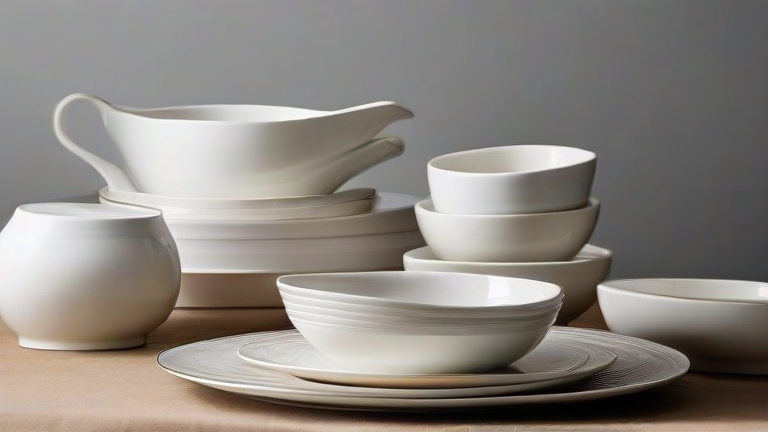
TL;DR: Elegant porcelain dinnerware transforms everyday meals into curated sensory experiences, blending durability with artistry. By investing in quality pieces, you elevate home dining from routine fuel to a ritual of culture and connection, without needing a restaurant budget.
The Art of the Table: Why Porcelain Matters
In an age of disposable everything, the act of sitting down to a meal on fine porcelain is a quiet rebellion. Unlike stoneware or earthenware, porcelain is fired at extremely high temperatures (around 1,300°C), giving it a vitrified, non-porous surface that feels almost glass-like. This isn’t just about looks—it means your dinnerware won’t absorb odors, stains, or bacteria, making it as hygienic as it is beautiful. When you lift a porcelain plate, its slight translucency catches the light, turning a simple pasta dish into a tableau. It’s a daily invitation to slow down, a tactile reminder that dining is one of humanity’s oldest cultural rituals.
If you want to dig deeper, check out our guide on Porcelain Dinnerware Safety: Is It Healthy for Daily Use?.
From Kyoto to Your Kitchen: A Travel-Inspired Palette
Think of your dinner table as a destination. Japanese sometsuke (blue-and-white porcelain) evokes the calm of a Kyoto temple garden, while French Limoges with gold rims whispers of Parisian cafés. You don’t need to fly anywhere—just choose a palette that tells a story. For a Mediterranean summer vibe, opt for hand-painted cobalt and coral motifs. For a minimalist Nordic feel, select matte white or pale sage glazes. The secret is contrast: pair a delicate porcelain rim with rustic linen napkins and chunky wooden boards. This juxtaposition of fine and raw creates a “travelled” aesthetic, as if you’ve collected pieces from different ports. Each dinner becomes a mini-journey, a way to explore global aesthetics without leaving your dining room.
Durability That Disguises Luxury
Many people fear that elegant porcelain is too fragile for daily use. The opposite is true. High-quality porcelain, especially porcelain dinnerware reinforced with alumina, is remarkably chip-resistant and dishwasher-safe. Unlike bone china (which contains animal ash and is softer), hard-paste porcelain handles thermal shock—so you can go from oven to table without cracking. This means your “good china” can actually be your everyday china. For busy families, stackable porcelain bowls and deep plates reduce cabinet clutter while adding a layer of ceremony to weeknight stir-fries. The real luxury here is not fragility; it’s the confidence that beauty can withstand the chaos of real life—spilled wine, dropped forks, and all.
Personal Growth Through Mindful Hosting
Setting a table with elegant porcelain is a form of self-care and hospitality. Psychologists call this “environmental enrichment”—when you treat your senses with beauty, you signal to your brain that you are worthy of care. Hosting a dinner party on porcelain forces you to be present: you’ll notice how the plate’s rim frames the food, how the bowl’s depth holds soup perfectly, how the saucer’s curve fits your thumb. This mindfulness reduces stress and deepens gratitude. Moreover, teaching children to handle fine dinnerware (with supervision) builds their motor skills and respect for objects. You’re not just buying plates; you’re investing in a ritual that fosters patience, conversation, and the slow pleasure of shared meals. Growth happens not on a mountaintop, but at a well-laid table.
Curating Your Collection: Quality Over Quantity
You don’t need a 40-piece set. Start with four dinner plates, four salad plates, and four bowls. Choose a neutral base (ivory, pearl grey) that matches any tablecloth or mood, then add two accent pieces—a gold-rimmed charger or a hand-painted serving platter. Check for “iron-free” porcelain to prevent rust spots from metal cutlery. Feel the foot (the bottom rim): it should be smooth, not rough. Hold a plate up to the light—fine porcelain glows slightly
Leave a Reply