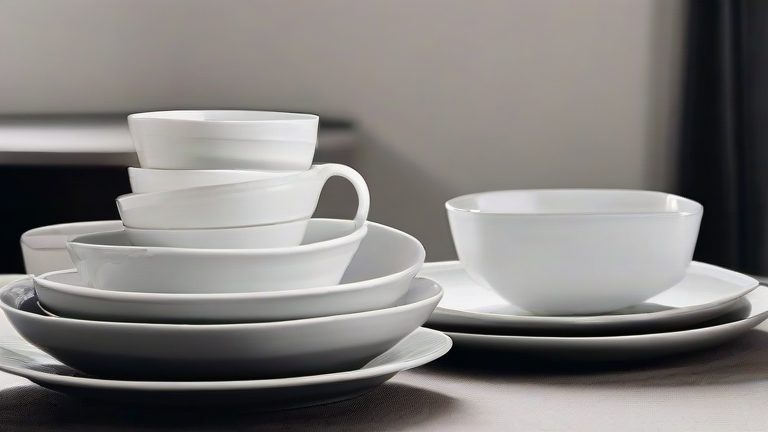
TL;DR: Porcelain is durable but not indestructible; hand-washing with mild soap is safest, while dishwasher use requires a gentle cycle and proper spacing. Always avoid thermal shock (sudden temperature changes) and stack with soft barriers to prevent chipping.
Step 1: Immediate Post-Use Care
Scrape off food residue with a silicone spatula—never metal. Rinse plates under lukewarm water (not hot, not cold) to remove acids from tomatoes or citrus, which can dull the glaze. Do not let porcelain soak in water for more than 15 minutes, as prolonged moisture can seep into tiny crazing lines and cause discoloration.
If you want to dig deeper, check out our guide on Elevate Your Home: 10 Porcelain Dinnerware Ideas for Modern .
Step 2: Hand-Washing (Preferred Method)
Fill a basin with warm water (100°F/38°C) and add a few drops of pH-neutral dish soap. Wash each piece individually with a soft sponge or microfiber cloth. Use a dedicated soft-bristle brush for rims and ornate patterns. Rinse immediately with the same warm water—never switch to cold. Dry with a lint-free cotton towel to prevent water spots.
Step 3: Dishwasher Use (Only If Necessary)
If you must use a dishwasher, select the “China/Crystal” or “Gentle” cycle with no heated dry. Place plates vertically in the rack, spaced at least 1 inch apart to prevent clinking. Never put porcelain pieces with metallic trim (gold or platinum) in the dishwasher—the chemicals will strip them. Use a detergent free of lemon or abrasive citric acids.
Step 4: Drying & Storage
Air-dry on a drying rack lined with a dishcloth, or hand-dry immediately. For stacking, place a felt or paper liner between each plate—this prevents micro-scratches from the unglazed foot ring. Store cups and bowls upside down on a soft shelf liner. Avoid stacking more than 8 plates high; weight pressure can cause hairline fractures.
Step 5: Removing Stains & Scratches
For tea or coffee stains, make a paste of baking soda and water (2:1 ratio). Rub gently with a soft cloth in circular motions for 30 seconds, then rinse. For metal marks from cutlery, use a melamine sponge (magic eraser) lightly—test on the bottom first. Never use bleach or chlorine-based cleaners; they will etch the glaze permanently.
Step 6: Preventing Thermal Shock
Do not place a cold plate directly into a hot oven or microwave. Always let porcelain come to room temperature before heating. When serving hot food, pre-warm plates with warm water (not boiling). Similarly, never pour boiling liquid into a cold cup—this is the #1 cause of cracking.
FAQ
Q: Can I put porcelain dinnerware in the microwave?
A: Yes, if there is no metallic trim or painted pattern containing metal. Test by microwaving a plate with a glass of water for 30 seconds—if the plate stays cool, it’s safe. Avoid microwaving empty porcelain.
Q: How do I remove a gray cutlery mark from a porcelain plate?
A: Make a paste of cream of tartar and lemon juice (1:1). Apply to the mark, let sit for 5 minutes, then rub gently with a soft cloth. Rinse with warm water and dry. For stubborn marks, repeat once—never use abrasive scouring pads.
Q: Is it safe to stack porcelain bowls inside each other for storage?
A: Not directly—bowls can seize or chip on their rims. Always place a paper towel or felt pad between each bowl, and avoid nesting more than 5 deep. Store them upright on a shelf if possible, with the widest bowl at the bottom.
Leave a Reply