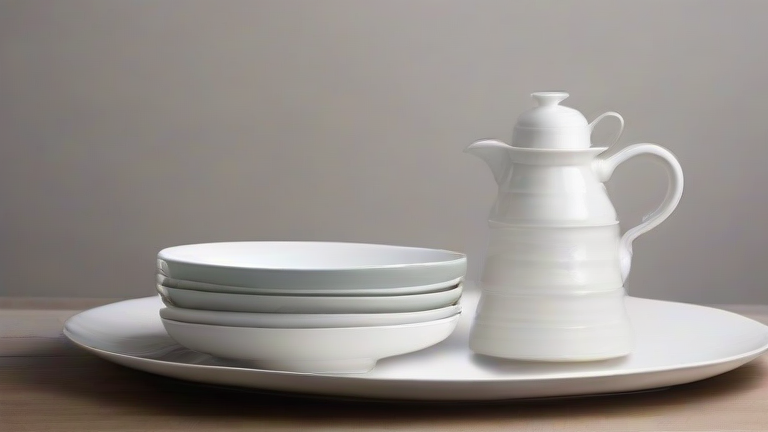
TL;DR: Yes, high-quality porcelain dinnerware is safe for daily use as it is vitrified at high temperatures, making it non-porous and chemically inert. It does not leach harmful substances into food when intact, offering a hygienic and durable alternative to reactive materials.
The Science of Safety
Porcelain is distinct from standard ceramic or stoneware because of its manufacturing process. It is fired at extremely high temperatures, often exceeding 1,200 degrees Celsius. This intense heat causes the materials to fuse into a dense, glass-like structure known as vitrification. According to materials science, this process eliminates porosity, meaning the surface does not absorb liquids, stains, or bacteria. Consequently, reputable porcelain dinnerware does not harbor microbial growth in its microstructure, a significant advantage over lower-fired earthenware which may remain slightly porous. The key safety factor lies in the glaze. High-end porcelain glazes are lead-free and cadmium-free, meeting strict international safety standards such as those set by the FDA and EU regulations. When these standards are met, the chemical interaction between the glaze and acidic foods like tomato sauce or citrus juice is negligible, ensuring no toxic migration occurs during normal dining conditions.
If you want to dig deeper, check out our guide on How Porcelain Dinnerware Fits into Modern Tech Lifestyles.
Busting Common Myths
A persistent myth suggests that all ceramics release heavy metals. While this can be true for poorly manufactured or cracked items, it is a misconception when applied to certified porcelain. Another common concern is the safety of using porcelain in microwaves and dishwashers. Scientifically, porcelain is non-reactive and thermally stable. It can withstand thermal shock better than many other materials, though rapid temperature changes should still be avoided to prevent physical cracking. Regarding microwaves, porcelain is generally safe because it does not contain metals or reactive compounds that interfere with microwave radiation. However, always check for metallic rims or decorative elements that may spark. The belief that porcelain is fragile to the point of being hazardous is also outdated. Modern formulations have increased its tensile strength, making it durable enough for everyday family use without compromising structural integrity or safety profiles.
Lifestyle Tips for Wellness
To maximize the health benefits and longevity of your porcelain collection, adopt simple maintenance habits. First, inspect your plates and bowls regularly. If you notice any chips or cracks, discontinue use immediately. Cracks can harbor bacteria and may cause micro-fractures to expand under thermal stress. Second, avoid abrasive sponges that can scratch the glaze. A smooth, intact glaze is the primary barrier against any potential interaction with food. Use mild detergents and warm water for hand washing to preserve the finish, though most modern porcelain is dishwasher safe. Third, store your pieces carefully to prevent collisions. A damaged plate is not only an aesthetic issue but a potential hygiene risk. By treating your porcelain with care, you ensure it remains a safe, beautiful, and functional part of your healthy lifestyle, allowing you to enjoy your meals without worry about chemical leaching or bacterial contamination.
FAQ
Q: Is porcelain safe for babies and children?
A: Yes, lead-free and cadmium-free porcelain is safe for children, provided the items are intact and from reputable manufacturers that comply with safety regulations.
Q: Can porcelain react with acidic foods like wine or lemon?
A: No, high-quality vitrified porcelain is chemically inert and does not react with acidic foods, ensuring no flavor transfer or chemical leaching occurs.
Q: What should I do if my porcelain plate cracks?
A: Discard the cracked plate immediately, as the fracture can trap bacteria and the structural integrity is compromised, posing a risk of shattering during use.
Leave a Reply