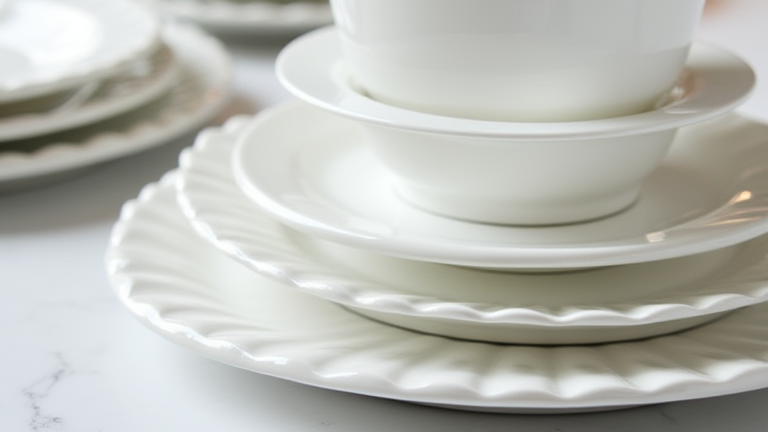
TL;DR: Yes, porcelain dinnerware is safe for everyday use when properly fired and glazed, as it is non-porous and does not leach harmful chemicals. The primary health risks come from cheap, low-quality imports with lead or cadmium in decorative glazes, not from porcelain itself.
What Makes Porcelain Different?
Porcelain is fired at extremely high temperatures (1,200–1,400°C), which vitrifies the clay and glaze into a glass-like, non-porous surface. This means it does not absorb bacteria, food acids, or cleaning chemicals—unlike earthenware or stoneware with porous bodies. The dense structure also means that, unless the glaze is cracked or chipped, nothing migrates from the ceramic body into your food. This is why porcelain is a top choice for hospitals and fine dining: hygiene and inertness.
If you want to dig deeper, check out our guide on Porcelain Dinnerware Care: A Beginner’s Cleaning Tutorial.
Myth vs. Fact: Lead and Cadmium
Myth: All porcelain contains lead, so it’s toxic.
Fact: Modern, reputable manufacturers use lead-free glazes. However, vintage or artisan porcelain (especially with bright red, yellow, or orange overglaze decorations) may contain lead or cadmium. The FDA and EU set strict limits (e.g., ≤0.5 µg/mL for lead in food-contact surfaces). Always choose brands that state “lead-free” or “cadmium-free” and avoid using antique pieces for hot or acidic foods like tomato sauce, coffee, or citrus, which accelerate leaching.
Health Benefits of Porcelain for Daily Use
Switching to high-quality porcelain can reduce your exposure to microplastics (common in plastic or melamine dishes) and PFAS (found in some non-stick coated dinnerware). Porcelain is also dishwasher and microwave safe (if no metallic trim), making it easier to sanitize at high temperatures—killing pathogens without degrading the surface. For people with chemical sensitivities, porcelain’s inert surface is a safe, fragrance-free choice that won’t interact with medications or supplements.
Lifestyle Tips for Safe Porcelain Use
First, inspect your plates for crazing (tiny hairline cracks in the glaze). If you see them, retire the piece—crazing traps food particles and can harbor bacteria. Second, avoid stacking heavy items directly on decorated surfaces; scratches can expose the raw clay. Third, hand-wash vintage or hand-painted porcelain to preserve the glaze. Finally, when buying new, look for “FDA compliant” or “Prop 65 compliant” labels, and opt for plain white or underglaze designs rather than metallic or high-fire overglaze decorations.
FAQ
Q: Can porcelain leach lead if I use it daily for hot coffee?
A: Only if the piece has a lead-based decorative glaze and is chipped or crazed. For certified lead-free porcelain, no measurable lead leaches even with acidic hot liquids. To be safe, never microwave or put boiling water in a decorated mug with metallic rims—those trims often contain lead.
Q: Is porcelain safer than ceramic or stoneware for food?
A: Yes, generally. Porcelain is denser and more vitrified than stoneware, meaning lower water absorption (under 0.5% vs. 3–7% for stoneware). Lower porosity means fewer bacteria harboring sites and less risk of glaze breakdown. However, both are safe if lead-free; the key is glaze integrity, not the clay body alone.
Q: What about porcelain dinnerware with a gold or platinum rim—are they toxic?
A: Metallic rims often contain small amounts of lead or cadmium to achieve the shine. They are safe for serving but should not be microwaved, and should be kept away from acidic foods if the rim shows wear. For daily, worry-free use, choose plain or underglaze-decorated porcelain without metallic bands.
Leave a Reply