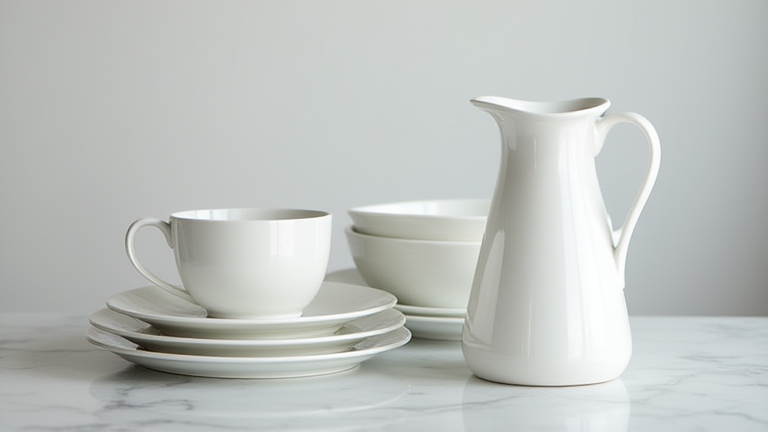
Porcelain Dinnerware Care: Complete Cleaning & Maintenance Tutorial
TL;DR: Wash porcelain dinnerware in warm soapy water or the top rack of your dishwasher to maintain its glossy finish. Avoid abrasive scrubbers and extreme temperature shocks to prevent hairline cracks and preserve the structural integrity of the pieces.
Understanding Porcelain Durability
Porcelain is a ceramic material made from refined clay that has been fired at extremely high temperatures. This process creates a dense, non-porous, and vitrified surface that is harder and more durable than standard ceramic or stoneware. Because it is non-porous, porcelain does not absorb liquids or odors, making it inherently hygienic and easier to clean. However, despite its strength, porcelain is brittle. It can shatter if dropped or subjected to rapid temperature changes. Understanding this balance between hardness and fragility is the first step in proper maintenance. Unlike earthenware, which may require sealing, porcelain requires no additional treatments to remain food-safe or stain-resistant over time.
If you want to dig deeper, check out our guide on Top 10 Porcelain Dinnerware Sets: Best Styles for Every Tabl.
Daily Cleaning Procedures
For daily maintenance, hand washing is the gentlest option. Fill a basin with warm water and add a mild, phosphate-free dish soap. Use a soft sponge or a microfiber cloth to gently wipe down the plates, bowls, and cups. Avoid using steel wool or rough scouring pads, as these can create microscopic scratches that dull the glaze over time. If you prefer using a dishwasher, ensure your porcelain pieces are marked as dishwasher-safe. Place them securely on the top rack to prevent them from shifting and colliding with other items during the wash cycle. The high heat of the drying cycle is generally safe for porcelain, but if you are concerned about thermal stress, air dry them on a rack after the cycle completes.
Tackling Stains and Decals
While porcelain is resistant to stains, certain substances like turmeric, beet juice, or strong tea can leave faint residues on the glaze. To remove these, create a paste using baking soda and water. Gently rub the paste onto the stained area with a soft cloth, then rinse thoroughly. For decorative gold or silver rims, avoid abrasive cleaners entirely. These metallic accents can wear down if scrubbed too vigorously. Instead, use a barely damp, soft cloth to wipe the rim. If you notice any flaking or peeling of the metallic decoration, discontinue use immediately to prevent ingestion of the metal particles. Regular inspection of the rims ensures the longevity of your decorative sets.
Storage and Handling Tips
Proper storage is crucial to prevent accidental damage. Never stack porcelain pieces without protective liners. Use felt or paper dividers between plates to cushion them and prevent friction marks. Store items in a sturdy cabinet where they are not at risk of falling. When moving a set, carry each piece individually rather than stacking them in your hands. This reduces the risk of dropping the entire stack. Additionally, avoid placing hot plates directly onto cold stone or glass surfaces, as the sudden thermal shock can cause cracking. Let hot items cool slightly on a trivet or wooden board before moving them to their storage location.
Repairing Minor Chips
If a chip occurs, assess the size. Small chips on the rim that do not compromise structural integrity can sometimes be filled with a food-safe epoxy repair kit. Apply the filler, smooth it out, and allow it to cure completely before washing. However, if a plate is cracked through or has a deep chip, it is safest to retire the piece from active dining use. You can repurpose broken pieces for decorative purposes, such as creating mosaics or coasters, ensuring the broken edges are smoothed and sealed to prevent cuts.
FAQ
Q: Can I put porcelain in the microwave?
A: Yes, most plain porcelain is microwave-safe, but check for metallic rims or decorations that may spark or overheat.
Q: How do I prevent water spots on my porcelain?
A: Dry your dishes immediately after washing with a clean, soft towel to prevent mineral deposits
Leave a Reply