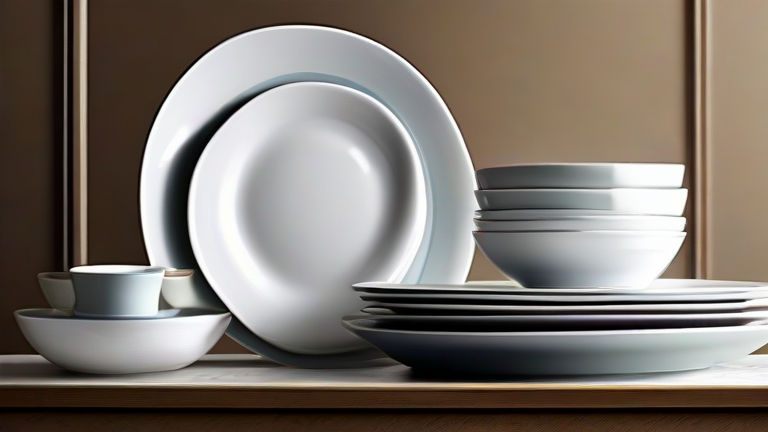
TL;DR: Yes, high-quality porcelain dinnerware is generally safe for daily use because it is fired at high temperatures that lock in a stable, non-porous structure. Choosing lead-free, cadmium-free certified pieces ensures your meals remain free from harmful heavy metal migration.
The Science of Safe Porcelain
Porcelain is distinct from other ceramics due to its vitrification process. Fired at temperatures exceeding 1,200 degrees Celsius, the clay becomes glass-like and highly durable. This extreme heat sinters the materials together, creating a surface that is effectively impermeable to liquids. Consequently, food acids and sugars cannot penetrate the body of the dish to react with the underlying clay minerals. According to the FDA and EU food contact regulations, compliant porcelain must not leach lead or cadmium into food at levels that pose a health risk. When you purchase dinnerware, look for explicit labeling that states “lead-free” and “cadmium-free.” These certifications are critical because older, unregulated, or low-cost imports may use fluxes containing heavy metals to lower melting points, which can eventually migrate into acidic foods like tomato sauce or citrus.
If you want to dig deeper, check out our guide on Why Porcelain Dinnerware Is Safer for Your Health.
Health Benefits and Lifestyle Tips
Using safe porcelain offers several lifestyle advantages. Its non-porous nature prevents bacteria from embedding into the material, making it more hygienic than porous earthenware. Unlike plastic, porcelain does not contain Bisphenol A (BPA) or phthalates, eliminating concerns about endocrine-disrupting chemicals. To maintain safety and longevity, avoid sudden temperature shocks that could cause micro-cracks, which might trap food particles. Always hand-wash or use a gentle dishwasher cycle to preserve the glaze. If you notice chips or cracks in the glaze, replace the item immediately, as the exposed clay may be porous and potentially unsafe. Opt for plain white or solid-color porcelain for the highest level of safety, as vibrant glazed decorations are the most common source of heavy metal contamination. By selecting certified, high-fired porcelain, you enhance your dining experience with elegance and peace of mind, knowing your tableware meets rigorous safety standards.
FAQ
Q: Is vintage porcelain safe to eat from?
A: No, vintage or antique porcelain often used lead-based glazes, making it unsafe for food contact today. Use it only for decorative purposes.
Q: Does microwaving porcelain release chemicals?
A: No, high-quality porcelain is inert and does not release chemicals when microwaved, provided the piece is labeled microwave-safe.
Q: How can I test if my porcelain is safe?
A: You cannot test it at home; rely on manufacturer certifications and avoid using dishes with chipped glazes or unknown origins.
Leave a Reply