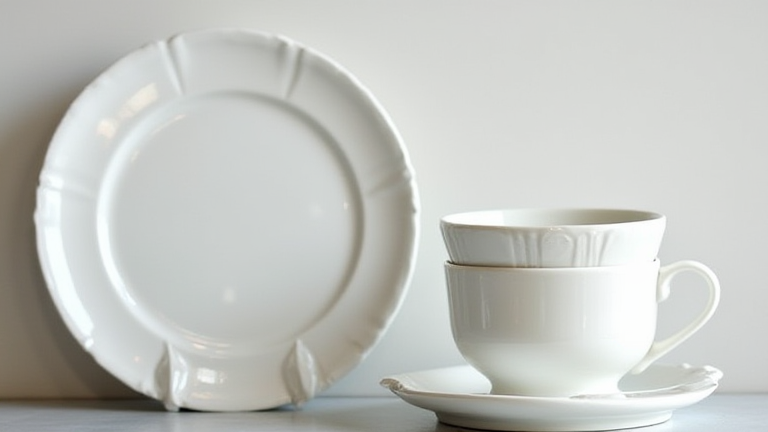
Is Porcelain Dinnerware Safe? Health Benefits & Facts
TL;DR: Yes, modern porcelain dinnerware is generally safe for daily use because it is vitrified, a high-temperature firing process that creates a non-porous, chemically stable surface. While some older or poorly made pieces may contain lead or cadmium, reputable brands using lead-free glazes pose no significant health risks to consumers.
Porcelain has long been the gold standard in culinary aesthetics, prized for its translucency, strength, and elegant appearance. However, many health-conscious individuals wonder if this beauty comes at a physiological cost. The primary concern regarding ceramic tableware is the potential leaching of heavy metals, specifically lead and cadmium, into food. These metals can cause serious neurological and developmental issues if ingested in sufficient quantities over time. Fortunately, the modern manufacturing process for porcelain has significantly mitigated these risks. Unlike earthenware or stoneware, true porcelain is fired at extremely high temperatures, often exceeding 1,200 degrees Celsius. This intense heat causes the clay body to vitrify, turning it into a glass-like material. This vitrification process effectively locks the chemical structure in place, creating a dense, non-porous surface that does not absorb liquids or harbor bacteria. Consequently, the glaze acts as a protective barrier, preventing any potential contaminants from migrating into your meals.
If you want to dig deeper, check out our guide on Elevate Your Table: 5 Ways Porcelain Dinnerware Defines Mode.
The Importance of Lead-Free Certification
While the material itself is inherently stable, the safety of your specific dinnerware largely depends on the glaze used. Many low-cost or antique pieces may have been glazed with lead-based compounds to achieve a shiny finish or vibrant colors. To ensure safety, always look for products labeled “lead-free” or “cadmium-free.” Regulatory bodies in the United States, such as the California Prop 65 and the FDA, have strict limits on leachable levels of heavy metals in food-contact surfaces. Reputable manufacturers adhere to these standards rigorously. Additionally, choosing dishwasher-safe porcelain is a smart lifestyle choice. High-quality, lead-free porcelain can withstand the heat and detergents of a dishwasher without degrading. This not only saves time but also ensures that the glaze remains intact and safe for continued use. Avoid using chipped or cracked porcelain for food storage or serving, as these imperfections can compromise the structural integrity of the glaze, potentially exposing the underlying clay or allowing bacteria to accumulate in the cracks.
Maintaining Your Porcelain Collection
To maximize the longevity and safety of your porcelain dinnerware, adopt a few simple maintenance habits. First, inspect your pieces regularly. If you notice any deep chips or crazing (a network of fine cracks in the glaze), it is best to retire those items from active dining use. While minor surface scratches are cosmetic, structural damage can alter the chemical stability of the piece. Second, while porcelain is durable, it is still susceptible to thermal shock. Avoid transitioning pieces from the freezer to a hot oven, as this rapid temperature change can cause cracking. Finally, consider the environmental aspect of your choice. Porcelain is made from natural materials and is fully recyclable. By investing in high-quality, lead-free pieces, you are making a sustainable choice that supports both your health and the environment. The health benefits of using safe, non-porous tableware extend beyond just avoiding toxins; it promotes hygiene by resisting bacterial growth and is easy to clean, ensuring that your dining experience remains both pleasant and safe. By staying informed and selecting certified products, you can enjoy the timeless elegance of porcelain without compromising your well-being.
FAQ
Q: Is it safe to use vintage or antique porcelain for everyday dining?
A: It is generally not recommended unless the pieces have been professionally tested for lead and cadmium, as older glazes were often not subject to modern safety standards.
Q: Can I put porcelain dishes in the microwave?
A: Yes, as long as the porcelain is labeled microwave-safe and does not contain metallic accents or gold trim, which can spark and damage the appliance.
Q: How can I tell if my porcelain is lead-free
Leave a Reply