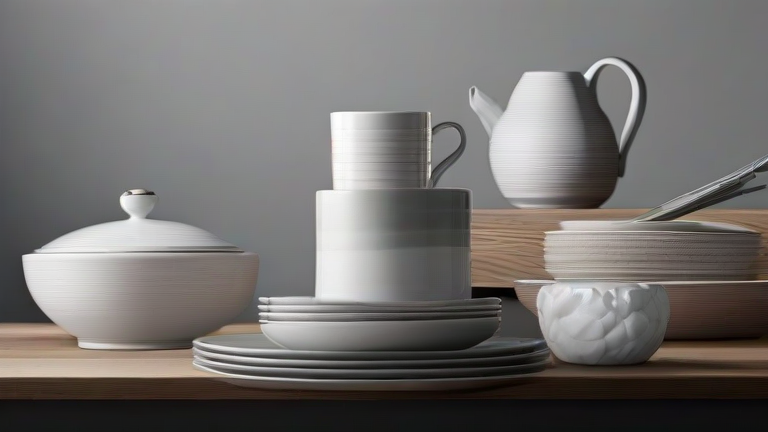
TL;DR: To style porcelain dinnerware effectively, focus on high-contrast color palettes and minimalist layering that highlights the material’s translucency. Combine classic white pieces with bold accents or textured underplates to create a visually striking and sophisticated dining experience.
The Art of Porcelain Presentation
Porcelain is not merely a vessel for food; it is a canvas for culinary artistry. Its smooth, glossy surface and delicate thickness make it the perfect medium for expressing personal style and cultural heritage. Whether you are hosting a formal dinner or enjoying a quiet evening at home, the way you present your meal can transform a simple act of eating into a memorable ritual. The key to elevating your table lies in understanding the inherent elegance of porcelain and how to complement it without overwhelming its natural beauty. By experimenting with different styles, textures, and arrangements, you can create a dining atmosphere that reflects your unique personality and enhances the flavors of your dishes.
If you want to dig deeper, check out our guide on Porcelain Dinnerware Tutorial: Care, Styling & Expert Tips.
Mastering Color and Contrast
Start with a strong foundation. White porcelain is the most versatile base, allowing you to play with vibrant food colors. For a modern look, pair stark white plates with deep navy or emerald napkins. This high contrast draws the eye to the food while maintaining a clean aesthetic. Alternatively, for a more traditional approach, consider using porcelain with subtle rim patterns in gold or silver. These metallic accents add a touch of luxury without being overwhelming. When mixing patterns, keep one element simple. If your plates have a busy floral design, choose solid-colored napkins and cutlery to avoid visual clutter. The goal is harmony, where each element supports the others rather than competing for attention.
Layering and Texture
Texture adds depth to your table setting. Place a smaller plate on top of a larger one to create a sense of scale and importance. This technique works particularly well with fine bone china, where the thin edges catch the light beautifully. Introduce natural elements like linen napkins or wooden serving boards to soften the sleekness of the porcelain. These organic materials provide a warm contrast to the cool, smooth surface of the ceramic. Additionally, consider using porcelain bowls of varying sizes to serve different courses. A deep bowl for soup followed by a shallow one for pasta can create a dynamic flow throughout the meal. The interplay of shapes and textures keeps the eye engaged and makes the dining experience more immersive.
Personal Touches
Finally, infuse your table with personal touches that tell a story. Incorporate heirloom pieces from family collections or unique finds from local artisans. Each piece adds character and history to the setting. Use porcelain vases or candle holders as centerpieces to extend the theme of the dinnerware. These small details create a cohesive look that feels curated and intentional. Remember, the best table settings are those that make you and your guests feel comfortable and welcomed. By paying attention to the details and respecting the beauty of the porcelain, you can elevate every meal into an occasion.
FAQ
Q: What is the best way to care for antique porcelain dinnerware?
A: Always hand wash antique pieces with mild soap and warm water to prevent damage. Avoid using abrasive sponges or placing them in the dishwasher, as the high heat and harsh detergents can cause crazing or fade the colors over time.
Q: Can I mix and match different brands of porcelain?
A: Yes, mixing brands is a great way to add personality to your table. Ensure that the pieces share a common color palette or style to maintain cohesion. For example, pairing a modern white plate with a vintage floral bowl can create a chic, eclectic look.
Q: How do I choose the right size of porcelain plates?
A: Standard dinner plates are typically 10 to 12 inches in diameter. Choose smaller plates, around 8 to 10 inches, for lighter meals or appetizers to make the food appear more substantial. Larger plates are suitable for main courses and allow for artistic plating with extra space for garnishes.
Leave a Reply