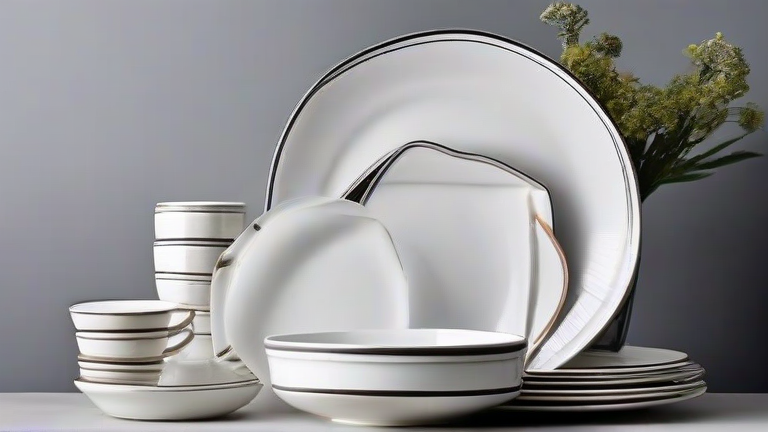
TL;DR: Care for porcelain by hand-washing with mild soap and avoiding thermal shock to maintain its luster. Style it by mixing eras and using neutral bases to let intricate patterns shine.
Understanding Porcelain Quality
Before diving into care, understand what you own. Fine porcelain is fired at high temperatures, resulting in a dense, non-porous material that is lighter and stronger than stoneware. Check for the “ring” test; tapping a finger against the rim should produce a clear, musical note. If the sound is dull, the piece may be cracked or of lower quality. Always inspect new pieces for any micro-chips or glaze imperfections before placing them in your main collection.
If you want to dig deeper, check out our guide on How to Automate Invoicing with QuickBooks.
Essential Care Instructions
While many porcelain pieces are labeled dishwasher safe, hand-washing is the gold standard for preserving delicate gold rims and fine line work. Use warm water and a pH-neutral dish soap. Avoid abrasive sponges, which can scratch the glaze over time. Dry each piece immediately with a soft microfiber cloth to prevent water spots. Crucially, avoid thermal shock. Never place hot dishes directly onto cold surfaces or into a cold dishwasher if they have been in a hot oven. This rapid temperature change can cause micro-cracks that expand over time.
Styling Strategies for the Table
Styling porcelain is about balance. Start with a neutral base, such as white or bone china, to allow other elements to pop. If you have patterned plates, keep the napkins and silverware simple to avoid visual clutter. Mix eras for a curated look; pairing vintage heirloom pieces with modern, minimalist designs creates a dynamic, personalized aesthetic. Use chargers to frame the main plate, adding depth and dimension to the place setting. Consider the height of the table setting; stacking bowls or using tiered trays can add vertical interest without overwhelming the guest.
Expert Maintenance Tips
Store your dinnerware vertically if possible to prevent stacking stains. If you must stack, use soft felt dividers to protect the glaze. For stubborn stains, soak the piece in a mixture of warm water and baking soda for an hour before gently scrubbing. Never use bleach, as it can degrade the glaze. Inspect your collection annually for hairline cracks, which can compromise the structural integrity of the piece. If a crack appears, retire the piece from dining service to prevent it from breaking during use. Proper storage in a dedicated cabinet with padding will ensure your investment lasts for generations.
FAQ
Q: Is porcelain microwave safe?
A: Most plain white porcelain is microwave safe, but pieces with metallic accents like gold or silver trim should never go in the microwave as they can spark and cause damage.
Q: How do I clean gold-rimmed porcelain?
A: Hand wash gold-rimmed pieces with mild soap and warm water, avoiding any abrasive scrubbers or harsh chemicals that can tarnish or remove the metallic luster over time.
Q: Can I repair cracked porcelain plates?
A: You can use food-safe epoxy to repair small chips for decorative use, but it is generally recommended to retire structurally compromised pieces from active dining to ensure safety.
Leave a Reply