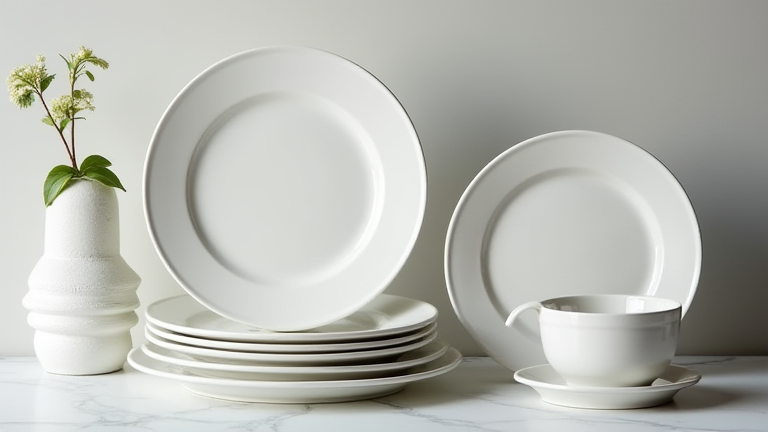
TL;DR: The best technology for porcelain dinnerware involves advanced kiln-fired glazes that enhance stain resistance and micro-structural integrity, paired with smart display cases featuring UV-filtering LED lighting and humidity control. These innovations ensure that premium ceramic sets maintain their aesthetic brilliance and structural durability for generations while being presented in museum-quality environments.
Material Science: The New Standard in Porcelain Durability
The latest developments in porcelain manufacturing focus on the molecular composition of the clay body and glaze. Traditional porcelain, made from kaolin, feldspar, and quartz, is being re-engineered using high-purity mineral additives that reduce porosity to near-zero levels. This technological shift, often referred to as “nano-ceramic reinforcement,” allows the dinnerware to withstand thermal shock more effectively. Modern high-tech kilns now achieve firing temperatures exceeding 1400°C with precise computer-controlled atmospheres. This precision ensures that the glaze bonds chemically with the ceramic body, creating a surface that is not only harder than steel but also significantly more resistant to acid etching from lemon juice or wine. Specifications for these new lines indicate a water absorption rate of less than 0.05%, making them virtually impervious to liquid penetration. This level of density translates to enhanced hygienic properties, as bacteria cannot easily lodge in microscopic surface imperfections. Furthermore, the integration of color-fast pigments that are fired into the body rather than applied as a surface layer ensures that intricate patterns do not fade or chip over time, addressing a major pain point for collectors of antique and modern fine china.
If you want to dig deeper, check out our guide on Top 10 Porcelain Dinnerware Brands for Your Business.
Smart Display Solutions for Preservation
Displaying porcelain requires a delicate balance between visibility and preservation. The industry has seen a surge in the adoption of smart display cases specifically engineered for delicate ceramics. These units utilize full-spectrum LED lighting with strict UV and infrared filtration to prevent the photodegradation of glazes. Unlike traditional fluorescent lights, which emit harmful ultraviolet rays that can cause colors to yellow or fade, these new systems offer a color rendering index (CRI) of 95 or higher, ensuring that the true vibrancy of the porcelain is visible without causing damage. Additionally, these display cabinets often feature integrated hygrometric sensors that monitor ambient humidity levels. Porcelain is sensitive to drastic changes in humidity, which can cause micro-cracks, known as crazing, in the glaze. Smart displays can automatically adjust internal climate controls to maintain a stable environment, typically between 40% and 50% relative humidity. This proactive approach to environmental control significantly extends the lifespan of the dinnerware. Some high-end models also include anti-theft vibration sensors that alert owners to any unauthorized movement or impact, providing an additional layer of security for valuable collections. The integration of touchless cleaning protocols using ozone or steam technology further enhances the care aspect, allowing for deep cleaning without the risk of physical abrasion associated with manual wiping.
Industry Impact and Future Trends
The convergence of advanced material science and smart display technology is reshaping the luxury home goods market. Manufacturers are now marketing porcelain not just as functional tableware, but as durable art objects. This shift is driving higher price points but also increasing consumer confidence in the longevity of their purchases. The industry is moving toward a model where the product and its care environment are sold as a unified ecosystem. This holistic approach ensures that the value of the porcelain is preserved from the moment of purchase through to long-term storage. As 3D printing technology advances, we may see even more complex geometric designs in porcelain that were previously impossible to mold by hand, further pushing the boundaries of what is possible in ceramic art. The focus on sustainability is also driving innovation, with new glazes that are free from heavy metals and production processes that recapture excess energy from kilns. These developments highlight a broader trend toward responsible luxury, where technological precision meets environmental stewardship. By adopting these latest technologies, consumers can enjoy the timeless beauty of porcelain with the peace of mind that comes from knowing their pieces are protected by state-of-the-art care and display solutions.
FAQ
Q: What is the ideal humidity level for storing porcelain?
A: The ideal relative humidity for storing porcelain
Leave a Reply