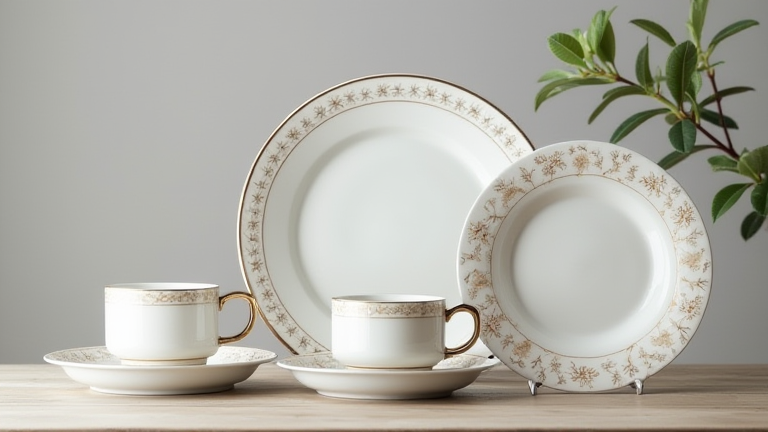
TL;DR: Porcelain dinnerware isn’t just about eating—it’s a daily ritual that slows you down, elevates your senses, and connects you to centuries of craft. By upgrading your plates and bowls, you turn every meal into a mindful, cultural, and aesthetic experience that reshapes how you host, travel, and even think about food.
1. The Art of Slowing Down
In a world of grab-and-go meals, porcelain forces a pause. Its delicate weight and cool, smooth surface demand your attention. When you lift a hand-thrown porcelain bowl, you’re not just holding food—you’re holding a piece of kiln-fired history. Studies in mindful eating show that visual and tactile cues reduce eating speed and increase satisfaction. Porcelain’s subtle imperfections (a slight glaze drip, a tiny rim variation) remind you that perfection is overrated; presence is everything. You start to notice the steam rising from soup, the glisten of olive oil on a salad, the crackle of crusty bread. That’s not dinner. That’s a meditation.
2. A Passport to Global Cultures
Porcelain was born in China during the Tang dynasty, perfected by Japanese potters, and later coveted by European royals. When you set your table with porcelain, you’re inheriting that global voyage. Use a celadon bowl for ramen and you’re in Kyoto; a cobalt-patterned plate and you’re in a Dutch still-life painting. This isn’t just dinnerware—it’s a travelogue without a plane ticket. Pair your meals with regional recipes, and you’ll find that porcelain becomes a bridge to understanding how different cultures honor food. It turns a Tuesday pasta night into an Italian countryside escape.
3. The Hosting Upgrade
Guests remember how a table feels, not just how the food tastes. Porcelain’s resonance—that gentle “ting” when you tap a plate—signals quality and care. When you serve tapas on rustic stoneware or a layered cake on a glossy white pedestal, you’re telling your guests, “You matter.” Porcelain’s non-porous surface also means no lingering odors or stains, so your table always looks fresh. You’ll find yourself hosting more spontaneously because cleanup is effortless: a quick rinse, a soft wipe, and your heirloom pieces are ready for the next story.
4. Portion Control, Elevated
Porcelain’s generous curves and deep wells naturally guide portion sizes. Unlike oversized ceramic platters that encourage heaping servings, porcelain’s refined proportions make a modest portion look abundant. This subtle nudge supports personal growth—you eat less, savor more, and feel lighter. Over time, you’ll develop a keener eye for balance: a palm of protein, a fist of greens, a thumb of healthy fat. It’s not a diet; it’s a design-led lifestyle change that aligns your plate with your wellness goals.
5. A Canvas for Color and Texture
Porcelain’s bright, luminous surface is the ultimate backdrop for food. A vibrant beet salad pops on white; a golden curry glows in a matte black bowl; a berry tart looks jewel-like on a soft blush plate. This visual contrast doesn’t just please the eye—it enhances flavor perception. Research in food psychology shows that plate color impacts taste intensity. Porcelain gives you that control. You become a curator, not just a cook, and every meal becomes a mini-exhibition of seasonal produce and sauces.
6. Durability Meets Heirloom Legacy
Unlike cheap stoneware that chips or crazes, high-fired porcelain is vitrified—essentially glass-hard. It withstands thermal shock (straight from freezer to oven), resists scratching, and survives dishwasher cycles without losing luster. This durability means you’re not buying disposable trends. You’re investing in pieces that can be passed down. Imagine your grandchildren eating from the same noodle bowl you used for late-night ramen. That’
Leave a Reply