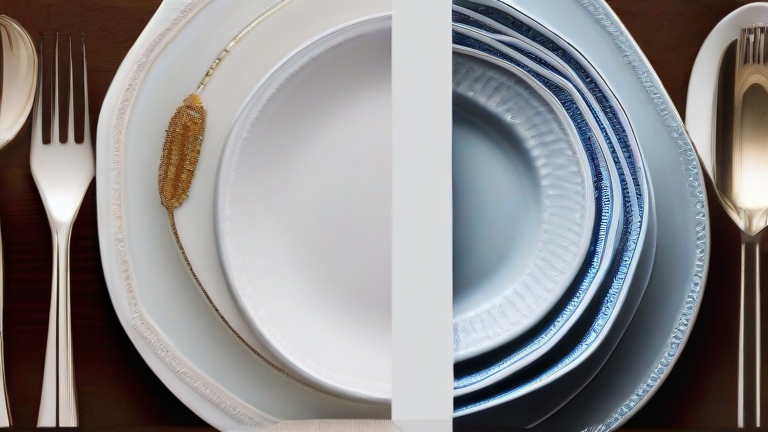
50+ Porcelain Dinnerware Tutorials: Care, Styling, & Buying Guide
TL;DR: This guide provides essential steps for maintaining pristine porcelain through gentle cleaning and proper storage, while also offering expert advice on selecting high-quality, durable pieces that elevate your dining aesthetic. Master these techniques to ensure your tableware lasts for generations and remains a centerpiece of your home decor.
Understanding the Material
Porcelain is distinct from standard ceramic or stoneware because of its high firing temperature, which results in a dense, non-porous body. This density makes it highly resistant to water absorption, reducing the likelihood of staining or cracking over time. Before diving into care routines, it is crucial to identify your specific type of porcelain. Bone china, for example, contains bone ash and is lighter and more translucent than standard hard-paste porcelain. Understanding the composition helps you tailor your care methods. For instance, bone china is slightly more delicate than standard porcelain, requiring a softer touch during handling. Always check the manufacturer’s label for specific care instructions, as some premium lines may have unique glaze treatments that react differently to heat or abrasives.
If you want to dig deeper, check out our guide on Elevate Your Dining: 7 Ways Porcelain Dinnerware Enhances Yo.
Step-by-Step Care Instructions
Proper care is the foundation of longevity. Start by washing your dishes immediately after use to prevent food residues from setting into the glaze. Use lukewarm water and a mild, pH-neutral dish soap. Avoid harsh detergents that contain bleach or heavy abrasives, as these can dull the shine of the glaze over time. Use a soft sponge or microfiber cloth, never a steel wool pad or stiff brush, which can cause microscopic scratches. These scratches not only look unsightly but can also become breeding grounds for bacteria. When rinsing, ensure all soap residue is completely removed, as leftover suds can leave a cloudy film on the surface. Dry the pieces immediately with a lint-free towel to prevent water spots. If you prefer using a dishwasher, place the porcelain items on the top rack to avoid direct contact with the heating element. Ensure they are spaced apart to prevent chipping from collision. Do not overload the dishwasher, as this restricts water flow and reduces cleaning efficiency. For stubborn stains, soak the pieces in warm, soapy water for ten minutes before gently scrubbing. Never use abrasive powders or harsh chemicals to remove stains, as this can damage the glaze permanently. Regular maintenance, such as polishing with a dry cloth after drying, will help maintain the lustrous finish of your dinnerware.
Styling and Display Tips
Styling your porcelain dinnerware is about creating visual harmony and balance. Consider the color scheme of your room when arranging your dishes on a china cabinet. Group similar patterns together for a cohesive look, or mix different eras for a curated, vintage aesthetic. Use risers or display stands to elevate the plates, allowing light to hit the curves and highlight the translucency of the material. Avoid overcrowding the shelves, as negative space allows the intricate designs to breathe. When setting a table, match your porcelain with complementary cutlery and glassware. For formal occasions, use a full place setting including soup spoons and salad forks. For casual meals, simplify the arrangement to create a relaxed atmosphere. Rotate your dinnerware sets seasonally to keep your table setting fresh and engaging. During holidays, use special holiday-themed porcelain to add a festive touch. Always handle pieces with clean, dry hands to avoid leaving fingerprints or oils on the surface. Proper display not only protects the items but also showcases their beauty as functional art pieces in your home.
Buying Guide Essentials
When purchasing new porcelain dinnerware, focus on quality over quantity. Look for pieces that are uniform in shape and color, with no visible chips or cracks. Tap the piece gently; a clear, ringing sound indicates a high-quality, dense porcelain. A dull thud may suggest low-quality materials or hidden flaws. Check the weight; high-quality porcelain feels substantial yet not overly heavy. Consider the manufacturer’s reputation for durability and customer service. Read reviews from other users to gauge the product’s performance in real-world use. Pay attention to the glaze finish; it should be smooth and
Leave a Reply