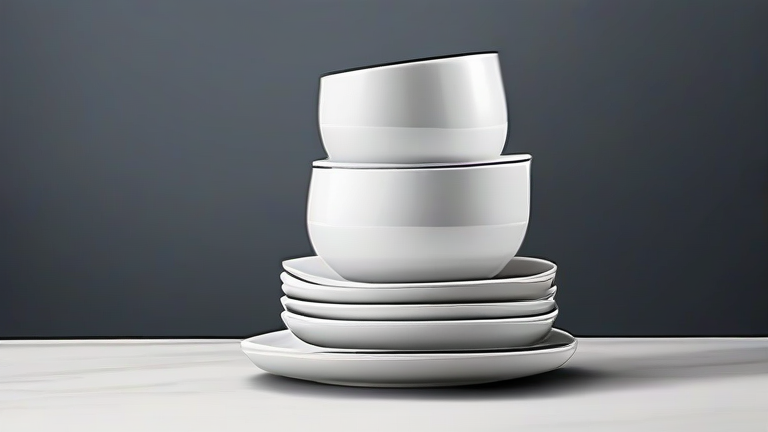
Are Porcelain Dinnerware Pieces Safe? A Health & Safety Guide
TL;DR: High-quality, lead-free porcelain dinnerware is generally safe for daily use because the firing process locks materials into a non-porous glass-like surface. However, consumers should verify that their specific pieces are certified lead-free and avoid using damaged or antique items for hot acidic foods to prevent potential chemical leaching.
Understanding Porcelain Composition
Porcelain is a type of ceramic that is fired at extremely high temperatures, typically between 1,200 and 1,400 degrees Celsius. This intense heat causes the raw materials, such as kaolin clay, feldspar, and quartz, to vitrify. Vitrification creates a dense, non-porous structure that is harder and more durable than standard stoneware or earthenware. Because the material becomes glass-like, it does not absorb liquids or food particles. This characteristic is crucial for hygiene, as bacteria and mold cannot penetrate the surface, making porcelain inherently easier to clean and maintain than porous alternatives. When selecting dinnerware, look for products labeled as “lead-free” or “cadmium-free.” While pure white porcelain is usually free of heavy metals, colored glazes or decorative patterns often use metal oxides to achieve specific colors. These additives can sometimes contain trace amounts of lead or other heavy metals. Regulatory standards in the United States, such as the FDA’s Food Contact Substances regulations, strictly limit the amount of lead and cadmium that can leach into food from ceramic tableware. Therefore, purchasing from reputable manufacturers who provide safety certifications is the most effective way to ensure your dinnerware is safe.
If you want to dig deeper, check out our guide on Elevate Your Table: The Endless Charm of Porcelain Dinnerwar.
Lifestyle Tips for Safe Usage
To maximize safety and longevity, adopt specific habits when handling porcelain. First, avoid using porcelain for microwaving if it has metallic accents, such as gold or silver rims, as this can cause sparks and damage the glaze. Second, be mindful of thermal shock. While porcelain is durable, sudden temperature changes can cause cracking. It is best to allow hot dishes to cool slightly before placing them in a cold dishwasher or water. Third, inspect your plates regularly. Hairline cracks or chips in the glaze can compromise the barrier between the food and the ceramic body. If the glaze is damaged, the porous underlying clay may expose you to any residual metals or absorb food dyes. For antique or vintage porcelain, which may not have been subjected to modern safety testing, it is advisable to use these pieces for decorative purposes only rather than for eating. If you must use older pieces, avoid storing acidic foods like tomato sauce, wine, or citrus fruits in them, as acidity can accelerate the leaching of any potential heavy metals. Finally, always wash new porcelain pieces thoroughly before their first use to remove any manufacturing dust or residues.
FAQ
Q: Is it safe to use porcelain dishes in the microwave?
A: Yes, plain porcelain is generally microwave-safe because it does not conduct electricity or heat up significantly. However, avoid microwaving any porcelain with metallic decorations, as this can cause arcing and damage both the dish and the appliance.
Q: How can I tell if my porcelain is lead-free?
A: Look for explicit labeling from the manufacturer stating that the product is lead-free and cadmium-free. Reputable brands often include this information on the packaging or their official website. If buying second-hand or from unknown sources, consider using a home lead test kit for peace of mind, though certification is the standard method.
Q: Does the color of the porcelain affect its safety?
A: The base white porcelain is usually safe, but colored glazes and patterns may contain metal oxides. While modern, certified colored porcelains are safe, older or non-certified colorful items pose a higher risk of leaching heavy metals, especially when used with hot or acidic foods.
Leave a Reply