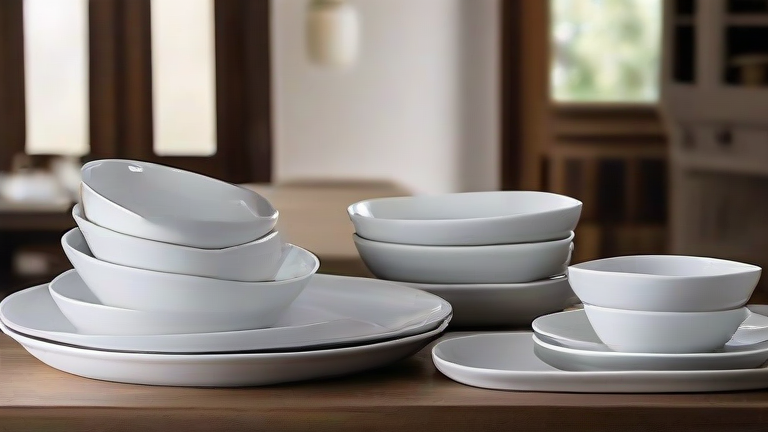
Why Porcelain Dinnerware Is the Safer, Healthier Choice
TL;DR: Porcelain offers superior thermal stability and chemical inertness, preventing harmful leaching into food even under extreme temperatures. Its dense, non-porous structure resists bacterial growth, making it a hygienic and long-lasting alternative to reactive materials.
In the quest for a healthier home, the materials we choose for our dining tables often take a backseat to the food itself. However, recent studies suggest that what holds your meal is just as critical as the meal itself. Porcelain, a type of ceramic refined from kaolin clay, has emerged as the gold standard for safe dining due to its unique molecular structure. Unlike earthenware or stoneware, which may be less dense, porcelain undergoes firing at extremely high temperatures, typically exceeding 1,300 degrees Celsius. This process vitrifies the material, creating a glass-like surface that is virtually non-porous. This density is crucial because it prevents liquids, acids, and fats from seeping into the plate, thereby eliminating the risk of absorbing odors or harboring bacteria that can thrive in microscopic pores.
If you want to dig deeper, check out our guide on Porcelain Dinnerware Safety: Health Benefits & Care.
Chemical Safety and Thermal Integrity
One of the primary health concerns with cheaper dinnerware is the potential leaching of heavy metals such as lead or cadmium, especially when serving hot or acidic foods like tomato sauce or citrus fruits. High-quality porcelain is fired at such high heat that any glazes become chemically stable and bonded to the body of the plate. This ensures that no toxins migrate into your food, regardless of what you eat. Furthermore, porcelain’s exceptional thermal shock resistance means it can transition from a freezing freezer to a scorching oven without cracking. This durability prevents the formation of micro-fractures over time, which are common in lower-quality ceramics and can serve as breeding grounds for mold and bacteria, compromising both safety and hygiene.
Lifestyle Tips for Maintenance
To maximize the health benefits of your porcelain collection, proper care is essential. While many modern porcelains are dishwasher safe, hand washing with a mild detergent is recommended for pieces with delicate gold or silver rimming to preserve the integrity of the finish. Avoid using abrasive scouring pads, as these can scratch the surface, potentially creating tiny pits where grime can accumulate. Instead, use soft sponges to maintain the smooth, glass-like finish that keeps your tableware hygienic. Regularly inspect your plates for chips or cracks; even a small defect can compromise the non-porous seal, reducing the material’s hygienic advantages.
By investing in high-quality porcelain, you are not just choosing aesthetic elegance but also prioritizing long-term health. It is a sustainable choice that reduces the need for frequent replacement, minimizing waste while ensuring that every meal is served on a surface that is chemically inert, thermally stable, and biologically resistant. Embracing porcelain is a simple yet impactful step toward a safer, healthier dining experience for you and your family.
FAQ
Q: Is porcelain safe for microwave use?
A: Yes, high-quality porcelain is generally microwave safe because it does not contain metallic components that could cause arcing. However, ensure the specific brand confirms this compatibility, especially if it has metallic accents.
Q: How can I tell if my porcelain is lead-free?
A: Look for labels indicating compliance with FDA or EU safety standards for food contact materials. Reputable manufacturers test their glazes to ensure heavy metal levels are well below safety thresholds.
Q: Does porcelain absorb odors from strong foods like garlic?
A: No, due to its non-porous, vitrified surface, porcelain does not absorb odors or stains, making it easy to clean and ensuring that previous meals do not affect the taste of future ones.
Leave a Reply