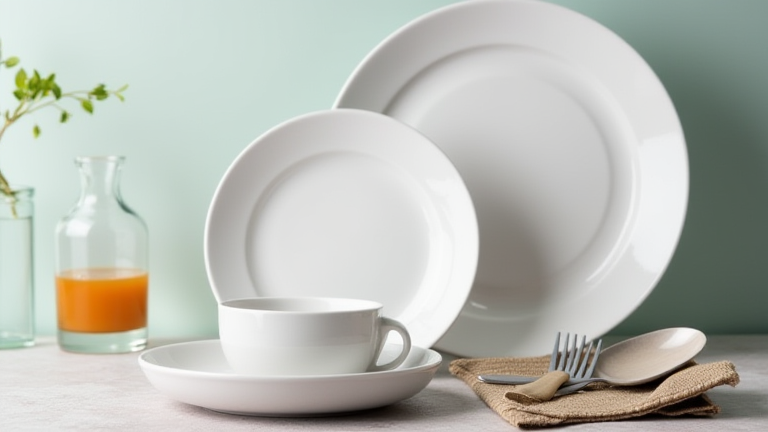
TL;DR: High-quality, lead-free porcelain dinnerware is generally safe for daily use and poses no significant health risks when properly manufactured. Consumers should prioritize brands that explicitly certify their products as lead-free and cadmium-free to ensure maximum safety for their families.
The Science of Porcelain Safety
Porcelain is a type of ceramic material known for its strength, durability, and aesthetic appeal. Unlike lower-grade ceramics, fine porcelain is fired at extremely high temperatures, often exceeding 1,300 degrees Celsius. This intense heat vitrifies the material, creating a non-porous surface that does not absorb liquids or food particles. This structural integrity is crucial for hygiene, as it prevents bacteria from becoming trapped within the ware, making it easier to clean thoroughly.
The primary health concern associated with ceramic dinnerware involves the leaching of heavy metals, specifically lead and cadmium, from decorative glazes. Lead exposure can have severe neurological and developmental effects, particularly in children and pregnant women. However, modern manufacturing standards in the United States and Europe strictly regulate these levels. The U.S. Food and Drug Administration (FDA) sets a limit of 0.5 parts per million for lead in ceramic tableware. Reputable porcelain manufacturers adhere to these guidelines, ensuring that their products are stable and do not leach harmful substances under normal use conditions.
Lifestyle Tips for Safe Usage
To maintain the safety and longevity of your porcelain collection, adopt a few simple lifestyle habits. First, always check for manufacturer certifications. Look for labels indicating that the product is “lead-free” or “FDA compliant.” Avoid using antique or imported pieces with unknown origins for serving food, as older glazes may not meet modern safety standards.
Second, be mindful of acidic foods. While high-quality porcelain is resistant to acid, prolonged contact with highly acidic substances like tomato sauce or citrus fruits on chipped or cracked surfaces could potentially accelerate wear. Therefore, avoid using damaged porcelain for meals. If a piece cracks, dispose of it immediately.
Finally, simplify your washing routine. Porcelain is generally dishwasher safe, which ensures thorough sanitization. However, if you hand-wash, use mild detergents and avoid abrasive scrubbers that might scratch the glaze. By choosing certified products and maintaining them properly, you can enjoy the elegance of porcelain without compromising your health.
FAQ
Q: Is porcelain microwave safe?
A: Yes, pure porcelain without metallic accents is generally microwave safe. Always check the manufacturer’s label to confirm compatibility and avoid using pieces with gold or silver rims, which can spark in the microwave.
If you want to dig deeper, check out our guide on Why Cold Brew Concentrate Is Replacing Espresso in Specialty.
Q: Can I use porcelain for acidic foods like wine?
A: Yes, high-quality porcelain is highly resistant to acids. It is a popular choice for wine glasses and dinner plates because the non-porous surface prevents the drink from altering the taste or leaching chemicals into the beverage.
Q: How do I know if my porcelain is lead-free?
A: Look for explicit labeling from the manufacturer stating the product is lead-free and cadmium-free. If buying second-hand or from unknown sources, consider using a home lead test kit or avoid using the items for food service to be safe.
Leave a Reply