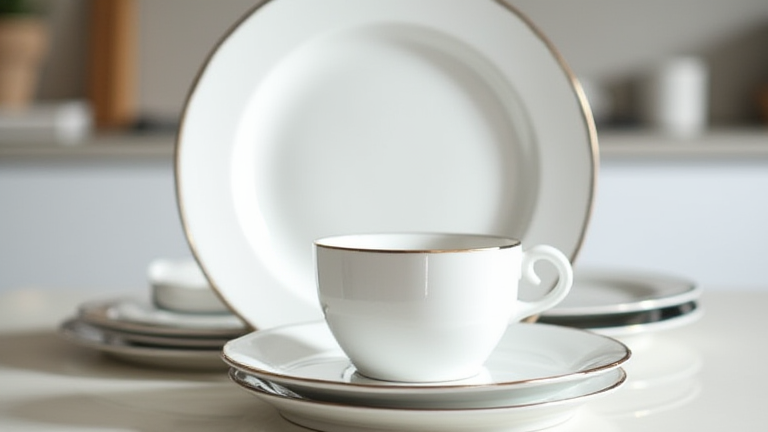
How to Clean Porcelain Dinnerware: Step-by-Step Care Guide
TL;DR: Clean porcelain dinnerware by hand using mild dish soap, warm water, and a soft sponge to prevent scratching. Avoid abrasive cleaners and sudden temperature changes to maintain the integrity and gloss of your fine china.
Porcelain is a luxurious material known for its strength, whiteness, and translucency. However, its delicate surface requires specific care to last for generations. Unlike stoneware or earthenware, high-quality porcelain is non-porous, which makes it resistant to staining but also susceptible to thermal shock and surface abrasions. Proper cleaning techniques ensure that your plates, bowls, and serving platters remain pristine. This guide outlines the essential steps and tips for maintaining your porcelain collection effectively. By following these simple procedures, you can preserve the beauty and functionality of your dinnerware, ensuring it remains a centerpiece for your dining table for many years to come.
If you want to dig deeper, check out our guide on Is Porcelain Dinnerware Safe? Health Benefits & Care Tips.
Step-by-Step Cleaning Instructions
Start by rinsing your porcelain items with warm water to remove any loose food particles. Avoid using hot water immediately after a dish has been in a cold environment, as rapid temperature changes can cause cracking. Fill a basin or sink with warm, soapy water using a mild, pH-neutral dish soap. Avoid detergents with harsh chemicals or added fragrances that might leave residues. Submerge the porcelain pieces and let them soak for a few minutes if there are dried-on foods. This softens the residue, making it easier to remove without scrubbing aggressively.
Using a soft sponge or a microfiber cloth, gently wipe the surfaces of the dishes. Pay special attention to the rims and bases, where grime often accumulates. For intricate patterns or gold rims, use a soft-bristled brush to reach crevices. Never use steel wool, scouring pads, or abrasive powders, as these will scratch the glaze and dull the finish. Once all visible food is removed, rinse the dishes thoroughly under running lukewarm water to ensure no soap suds remain. Soap residue can attract dust and dull the shine over time.
After rinsing, dry your porcelain immediately with a clean, lint-free towel. Air drying is acceptable but can sometimes leave water spots, especially if your water is hard. If water spots do appear, wipe them away while the surface is still slightly damp. For stubborn stains, such as coffee or tea, create a paste of baking soda and water. Apply it gently to the stained area, let it sit for ten minutes, and then wipe away. Never use bleach or acidic cleaners like vinegar on the surface, as they can degrade the glaze over time.
Storage and Maintenance Tips
Proper storage is crucial for preventing chipping and breakage. Place felt or cloth dividers between plates and bowls to cushion them. Avoid stacking heavy items on top of delicate pieces. Store your porcelain in a dry place to prevent any potential moisture damage to the packaging or surrounding items. Regularly inspect your pieces for hairline cracks or chips. If you notice a chip, stop using the item immediately, as it can spread and pose a safety risk. For special occasions, consider hand-washing even if the porcelain is marked as dishwasher safe, to ensure the highest level of protection.
FAQ
Q: Can I put porcelain in the dishwasher?
A: Yes, most modern porcelain is dishwasher safe, but hand washing is recommended for antique pieces or those with delicate gold or silver rims to prevent fading and scratching.
Q: How do I remove deep stains from porcelain?
A: Soak the item in a mixture of warm water and baking soda for several hours, or overnight for severe stains, then gently scrub with a soft cloth and rinse thoroughly.
Q: What should I avoid using on porcelain?
A: Avoid abrasive scrubbers, harsh chemical cleaners, bleach, and extreme temperature changes, as these can crack the material or damage the glaze and decorative elements.
Leave a Reply