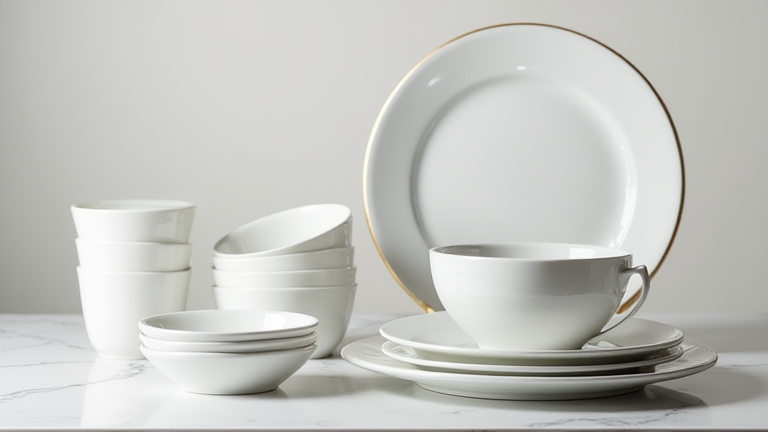
Is Porcelain Dinnerware Safe? Health Benefits & Care Tips
TL;DR: Yes, high-quality porcelain dinnerware is generally safe for daily use, provided it is from reputable manufacturers who adhere to strict lead and cadmium limits. It is a non-porous, hygienic material that does not leach harmful chemicals into food when maintained correctly.
Understanding Porcelain Safety
Porcelain is a ceramic material made by heating a specific combination of raw materials to very high temperatures, typically over 1,200 degrees Celsius. This intense firing process creates a dense, non-porous structure that is distinct from earthenware or stoneware. According to the FDA and the California Proposition 65 standards, modern porcelain tableware must meet rigorous safety guidelines. The primary concern with older or lower-quality ceramics is the presence of lead and cadmium, which were historically used in glazes to achieve vibrant colors. However, reputable brands today use lead-free glazes. If you are using vintage or imported porcelain without certification, it is advisable to use it for decorative purposes only rather than for serving acidic foods like tomatoes or citrus, which can accelerate leaching.
If you want to dig deeper, check out our guide on Porcelain Dinnerware Tutorial: Care, Cleaning & Styling Tips.
Health Benefits of Using Porcelain
One of the significant health benefits of porcelain is its hygienic nature. Because the material is non-porous, it does not absorb bacteria, odors, or stains as easily as wood or plastic. This makes it easier to sanitize thoroughly, reducing the risk of foodborne illness. Additionally, porcelain is chemically inert. It does not react with acidic or alkaline foods, meaning your meal’s flavor and nutritional profile remain unchanged. Unlike some plastics, porcelain does not contain Bisphenol A (BPA) or phthalates, eliminating concerns about endocrine disruptors leaching into hot liquids or foods. For individuals with chemical sensitivities or those aiming to reduce their overall toxic load, switching to certified lead-free porcelain is a prudent lifestyle choice.
Essential Care Tips for Longevity
To ensure your porcelain remains safe and functional, proper care is essential. First, always check for cracks or chips. Even small flaws can harbor bacteria in microscopic crevices and may indicate structural weakness that could lead to breakage. If a piece is chipped, retire it from service. Second, avoid thermal shock. Placing a hot bowl directly from the freezer to a hot dishwasher, or vice versa, can cause micro-fractures. Allow dishes to cool to room temperature before washing. While most modern porcelain is dishwasher safe, hand washing with mild soap is recommended for antique or hand-painted pieces to preserve the glaze. Finally, store plates vertically or with soft padding between them to prevent accidental chipping.
FAQ
Q: Is vintage porcelain safe for eating?
A: It depends on the age and origin. Pre-1970s or unverified imported pieces may contain lead in the glaze. Use them for decoration only, or test them with a certified lead swab kit before serving food.
Q: Can I microwave porcelain dishes?
A: Yes, plain porcelain without metallic accents or gold leaf is generally microwave-safe. However, avoid using pieces with decorative metallic edges, as they can spark and cause damage or fire hazards in the microwave.
Q: How do I know if my porcelain is lead-free?
A: Look for labels indicating compliance with FDA or EU standards. Reputable manufacturers will explicitly state “lead-free” or “food-safe.” If in doubt, purchase from brands that provide third-party lab test results for heavy metal content.
Leave a Reply