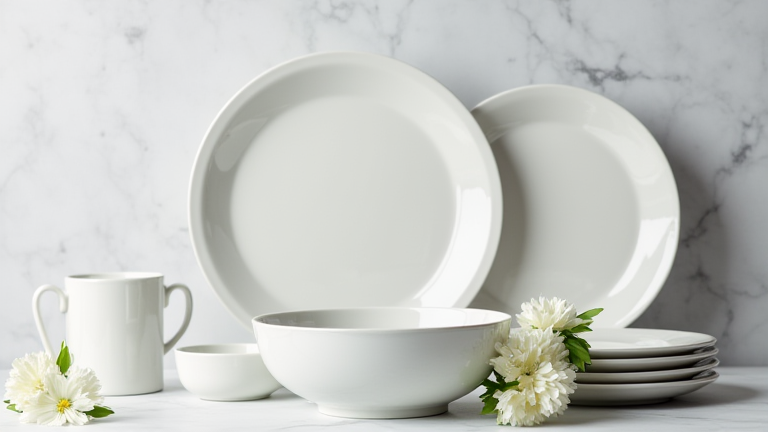
Porcelain Dinnerware Guide: How to Clean & Care
TL;DR: Hand wash porcelain with warm water and mild detergent to prevent thermal shock and preserve the glaze. Avoid abrasive scrubbers and extreme temperature changes to ensure your plates remain chip-free for decades.
Porcelain is prized for its durability, elegance, and timeless aesthetic, making it a staple in many dining collections. However, despite its strength, porcelain requires specific care to maintain its glossy finish and structural integrity. Proper cleaning and handling techniques are essential to prevent common issues such as crazing, chipping, and fading. By following established guidelines, you can ensure that your dinnerware set remains beautiful and functional for generations.
If you want to dig deeper, check out our guide on Best Noise-Canceling Headphones for Airplane Travel.
Step-by-Step Cleaning Instructions
Start by sorting your porcelain items into a sink filled with warm, soapy water. Use a soft sponge or cloth to gently scrub each piece. Avoid using steel wool or harsh scouring pads, as these can scratch the delicate glaze surface. For stuck-on food, soak the item in warm water for ten minutes to loosen the debris before scrubbing. This method reduces the need for vigorous rubbing, which can weaken the ceramic over time.
Rinse each piece thoroughly under running water to remove all soap residue. Soap left on the surface can cause a film that attracts dirt and dulls the shine. Dry the items immediately with a soft, lint-free towel to prevent water spots. If your porcelain is labeled as microwave and dishwasher safe, you may use these appliances, but hand washing is always recommended for long-term preservation, especially for pieces with gold or silver accents.
Essential Care Tips
Protect your investment by avoiding thermal shock. Never place a cold plate directly into a hot oven or microwave, and do not run cold water over a hot dish. Sudden temperature changes can cause the ceramic to expand or contract rapidly, leading to cracks or shattering. Always allow items to cool to room temperature before washing or storing.
Stacking is another critical aspect of care. Use soft felt pads or paper towels between plates to prevent contact points where chips can occur. Store your porcelain in a cabinet with padding to absorb any vibrations from closing doors or moving other items. If you notice any chips or cracks, stop using that item immediately, as these defects can harbor bacteria and may worsen over time.
For decorative pieces with metallic rims, hand wash them separately. The high heat and alkaline detergents in dishwashers can strip away gold or silver leafing. Use a dry, soft cloth to dust these items if they are not dirty. Regular inspection of your collection will help you identify minor issues early, allowing for prompt repair or replacement before the damage spreads.
FAQ
Q: Can I put porcelain in the dishwasher?
A: Yes, if it is labeled dishwasher safe, but hand washing is better for preserving glaze and metallic details.
Q: Why does my porcelain look cloudy after washing?
A: Cloudiness is usually caused by mineral deposits from hard water; rinse with a vinegar solution to remove the film.
Q: How do I remove stubborn stains from porcelain?
A: Soak the item in a mixture of warm water and baking soda for an hour, then gently scrub with a soft cloth.
Leave a Reply