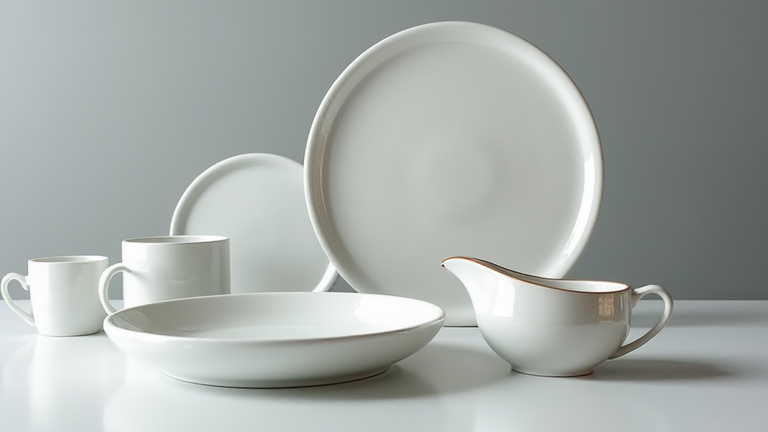
Tech-Enabled Porcelain: How Smart Dinnerware Is Changing Dining
TL;DR: Smart dinnerware integrates conductive ceramics and embedded sensors into traditional porcelain to provide real-time temperature feedback and nutritional tracking directly at the table. This innovation transforms passive eating vessels into interactive health tools that enhance user experience through seamless data integration.
The dining industry is witnessing a quiet revolution as manufacturers fuse centuries-old ceramic craftsmanship with cutting-edge IoT technology. This convergence gives rise to tech-enabled porcelain, a category of smart dinnerware designed to monitor, analyze, and enhance the culinary experience. Unlike previous generations of electronic gadgets that felt bulky and industrial, the latest developments focus on maintaining the aesthetic elegance and tactile pleasure of high-quality porcelain while embedding invisible intelligence within the material itself.
If you want to dig deeper, check out our guide on Smart Porcelain: 7 Tech Innovations Changing Dinnerware.
Latest Developments and Technical Specifications
Recent breakthroughs in materials science have allowed engineers to create conductive porcelain. By incorporating silver nanowires or graphene coatings into the glaze, manufacturers can create responsive surfaces without compromising the durability or visual appeal of standard ceramic. These smart plates and bowls feature embedded thermal sensors that accurately measure food temperature, alerting users via a companion smartphone app if their meal is too hot to eat safely. This feature is particularly vital for families with young children or elderly members who may have reduced sensitivity to heat.
Furthermore, the latest models incorporate pressure-sensitive elements within the base of the bowl. These sensors track eating speed and portion size, providing immediate biofeedback to encourage mindful eating habits. For instance, if a user consumes food too rapidly, the app may suggest slowing down, potentially aiding in weight management and digestive health. The hardware specifications typically include a low-power Bluetooth 5.2 module, a rechargeable micro-battery housed in a detachable base, and a waterproof rating of IP67 to ensure ease of cleaning. The porcelain itself remains food-safe and microwave-compatible, ensuring that the technology does not disrupt standard kitchen routines.
Industry Impact and Future Outlook
The introduction of tech-enabled porcelain is reshaping the luxury home goods market. It appeals to a demographic that values both wellness and design, offering a premium solution for health-conscious consumers. For manufacturers, this represents a shift from selling static objects to offering dynamic health ecosystems. The industry impact extends to data privacy concerns, as companies must ensure that eating habits and dietary data are secured and handled responsibly. As battery life improves and costs decrease, these smart vessels are expected to become standard fixtures in high-end hotels and modern households. Ultimately, this technology blurs the line between utility and wellness, proving that even the most traditional objects can be reimagined for the digital age.
FAQ
Q: Can tech-enabled porcelain be washed in a dishwasher?
A: Most current models are dishwasher safe, but users should check specific manufacturer guidelines regarding the electronic components, which are often located in a removable base.
Q: Does the technology affect the taste of the food?
A: No, the conductive materials are sealed within the glaze and do not leach into food, ensuring that the taste and quality of the meal remain unaffected by the embedded sensors.
Q: How long does the battery in smart dinnerware typically last?
A: Modern smart porcelain vessels generally offer up to two weeks of continuous use on a single charge, with a full recharge taking approximately two hours via USB-C.
Leave a Reply